
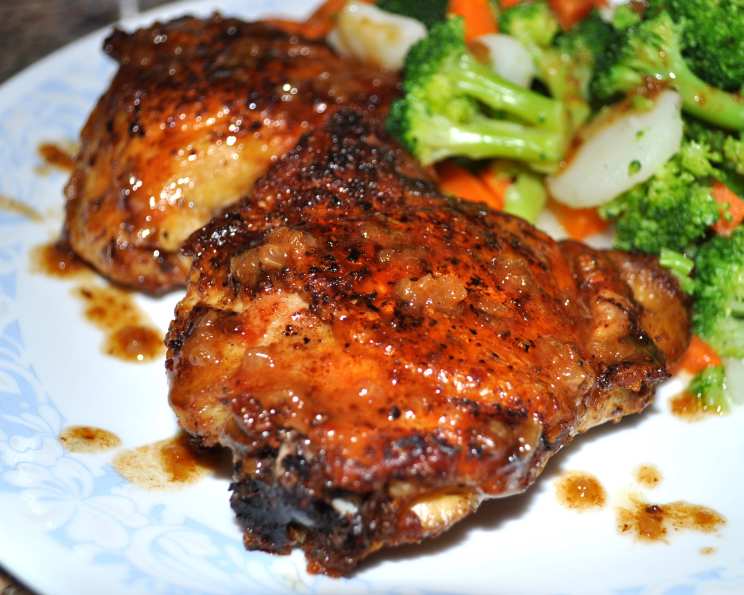
The Simple Elegance of Sauteed Chicken: A Culinary Staple
I remember the first time I made sauteed chicken. I was a nervous culinary student, intimidated by the simplest of tasks. My instructor, a gruff but kind old chef, simply said, “Learn to cook a chicken properly, and you can cook anything.” He was right. That first perfectly browned chicken breast, juicy and flavorful, was a revelation, a confidence booster that propelled me forward in my culinary journey. Now, decades later, it remains a dish I turn to again and again – a blank canvas for endless flavor combinations.
Recipe Overview
- Prep Time: 10 minutes
- Cook Time: 45 minutes
- Total Time: 55 minutes
- Servings: 4-6
- Yields: 10 pieces
- Dietary Type: Gluten-Free, Dairy-Free (if using olive oil)
Ingredients
- (2 1/2 lb) whole chickens, cut in serving pieces
- Salt & freshly ground black pepper, to taste
- 3 tablespoons butter or 3 tablespoons combination butter and olive oil
- 1 tablespoon shallots or 1 tablespoon onion, minced
- 2 tablespoons dry white wine
- 1⁄2 cup chicken broth
Equipment Needed
- Large skillet
Instructions
-
Begin by preparing your chicken pieces. Pat them dry with paper towels; this is crucial for achieving a beautiful, golden-brown crust. Season generously with salt and freshly ground black pepper. Don’t be shy with the seasoning – it’s your opportunity to build flavor from the start.
-
Place a large skillet over medium heat. Add 2 tablespoons of butter (or a combination of butter and olive oil). The fat should shimmer and melt evenly, creating a perfect surface for searing. If using a combination, the olive oil will raise the smoking point of the butter, preventing it from burning.
-
Carefully place the chicken pieces in the skillet, skin side down. Be sure not to overcrowd the pan. Overcrowding lowers the temperature of the pan and prevents proper browning. Cook the chicken for approximately 10 to 15 minutes, allowing the skin to turn a deep golden brown. Resist the urge to move the chicken around too much. Let it develop a good sear.
-
Turn the chicken pieces over and cook for another 10 to 15 minutes. Continue cooking and turning the chicken over occasionally for an additional 10 to 15 minutes, for a total cooking time of 30 to 40 minutes. The internal temperature of the chicken should reach 165°F (74°C) when measured with a meat thermometer inserted into the thickest part of the thigh, without touching the bone.
-
Remove the cooked chicken from the skillet and set aside to keep warm. You can tent it loosely with foil to prevent it from drying out while you prepare the sauce.
-
Carefully pour off any excess fat from the skillet, leaving behind just a tablespoon or two for flavor. Add the minced shallots or onion to the skillet and cook briefly, stirring constantly, until softened and fragrant, about 1-2 minutes. Be careful not to burn them.
-
Pour in the dry white wine. Using a wooden spoon or spatula, scrape the bottom of the skillet to loosen any browned bits (fond) that have accumulated during the cooking process. These browned bits are packed with flavor and will add depth to your sauce. Reduce the wine by about half, allowing the alcohol to evaporate and the flavors to concentrate. This should take about 2-3 minutes.
-
Add the chicken broth to the skillet and simmer, stirring, for about a minute, or until the sauce has reduced slightly and you have approximately 1/2 cup of sauce remaining. Season with salt and pepper to taste, adjusting the seasoning as needed to balance the flavors.
-
Remove the skillet from the heat and swirl in the remaining 1 tablespoon of butter. This will enrich the sauce and give it a glossy sheen.
-
Pour the sauce over the cooked chicken pieces and serve immediately.
Expert Tips & Tricks
- Dry Brining: For extra juicy and flavorful chicken, try dry brining. Season the chicken generously with salt 1-2 hours (or even overnight) before cooking. This allows the salt to penetrate the meat, resulting in a more flavorful and moist final product.
- Pan Sear Secrets: Make sure your pan is hot before adding the chicken. The high heat is essential for achieving that beautiful golden-brown sear.
- Don’t overcrowd: Work in batches if necessary to avoid overcrowding the pan, which will steam the chicken instead of searing it.
- Wine Selection: Choose a dry white wine that you would enjoy drinking, such as Sauvignon Blanc, Pinot Grigio, or Chardonnay. Avoid overly sweet or oaky wines, as they can overpower the flavor of the dish.
- Sauce Consistency: If your sauce is too thin, you can thicken it slightly by whisking in a teaspoon of cornstarch mixed with a tablespoon of cold water. Add the slurry to the sauce and simmer for a minute or two until it thickens to your desired consistency.
Serving & Storage Suggestions
Serve the sauteed chicken immediately, garnished with fresh parsley or thyme, if desired. It pairs beautifully with roasted vegetables, mashed potatoes, rice, or a simple salad.
Leftover sauteed chicken can be stored in an airtight container in the refrigerator for up to 3-4 days. To reheat, gently warm the chicken in a skillet over medium heat, or in the oven at 350°F (175°C) until heated through. You can also reheat it in the microwave, but be careful not to overcook it, as it can become dry. The sauce can be reheated separately in a saucepan over low heat.
Nutritional Information
| Nutrient | Amount per Serving | % Daily Value |
|---|---|---|
| Calories | 484.5 kcal | N/A |
| Calories from Fat | 340 g | 70% |
| Total Fat | 37.8 g | 58% |
| Saturated Fat | 13.8 g | 69% |
| Cholesterol | 156.6 mg | 52% |
| Sodium | 281.9 mg | 11% |
| Total Carbohydrate | 0.7 g | 0% |
| Dietary Fiber | 0 g | 0% |
| Sugars | 0.2 g | 0% |
| Protein | 32.1 g | 64% |
Note: Nutritional information is an estimate and may vary depending on specific ingredients and portion sizes.
Variations & Substitutions
- Herb Infusion: Infuse the chicken with flavor by adding 1 tablespoon of fresh herbs such as rosemary, basil, or tarragon to the skillet during the last 10 minutes of cooking.
- Citrus Burst: Add a squeeze of lemon or orange juice to the sauce for a bright, citrusy flavor.
- Mushroom Medley: Sauté sliced mushrooms along with the shallots or onions for an earthy and savory twist.
- Creamy Sauce: Stir in a tablespoon or two of heavy cream or crème fraîche to the sauce at the end for a richer, creamier texture.
- Spicy Kick: Add a pinch of red pepper flakes or a dash of hot sauce to the sauce for a touch of heat.
- Chicken Broth Alternative: You can substitute chicken broth with vegetable broth for a lighter flavor profile.
FAQs (Frequently Asked Questions)
Q: How do I know when the chicken is cooked through?
A: The best way to ensure the chicken is cooked through is to use a meat thermometer. Insert it into the thickest part of the thigh, without touching the bone. The internal temperature should reach 165°F (74°C).
Q: Can I use boneless, skinless chicken breasts instead of bone-in chicken pieces?
A: Yes, you can use boneless, skinless chicken breasts. However, they will cook more quickly, so reduce the cooking time accordingly. Also, the sauce might not be as flavorful, since you won’t get the benefit of browning the skin.
Q: What if I don’t have white wine?
A: You can substitute chicken broth or apple cider vinegar for the white wine. If using apple cider vinegar, use it sparingly, as it can be quite acidic.
Q: Can I make this recipe ahead of time?
A: Yes, you can make the sauteed chicken ahead of time. Store it in an airtight container in the refrigerator for up to 3-4 days. Reheat it gently before serving.
Q: My chicken skin isn’t getting crispy. What am I doing wrong?
A: Make sure the chicken skin is dry before you start cooking. Pat it dry with paper towels. Also, make sure your pan is hot enough and don’t overcrowd the pan.
Final Thoughts
This basic sauteed chicken recipe is a fundamental skill every home cook should master. It’s a versatile dish that can be adapted to suit your taste preferences and the ingredients you have on hand. Don’t be afraid to experiment with different herbs, spices, and sauces to create your own signature version. I encourage you to try this recipe and share your feedback. Pair it with a crisp green salad and a glass of your favorite white wine for a truly satisfying meal. Happy cooking!