
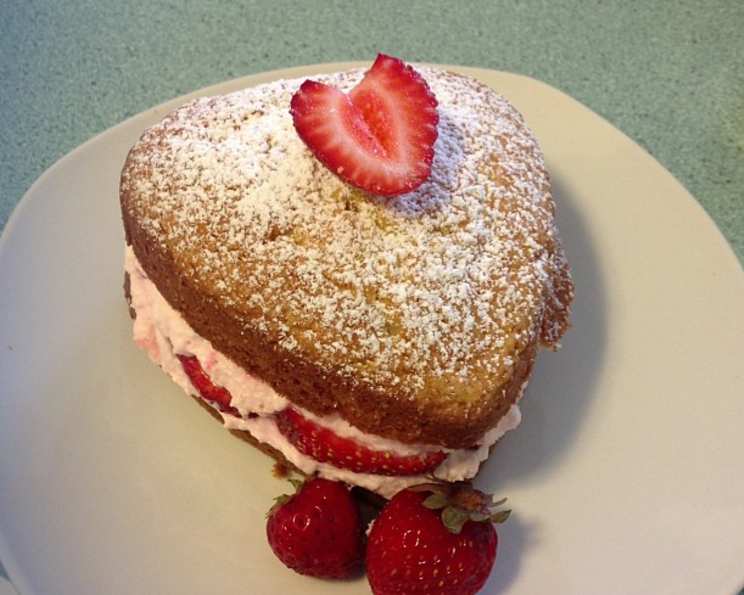
The Quintessential Vanilla Cake: A Baker’s Classic
The scent of vanilla cake baking in the oven…it’s more than just a smell; it’s a time machine. It instantly transports me back to my grandmother’s kitchen, a warm and inviting space filled with the rhythmic clatter of her stand mixer and the comforting aroma of butter and sugar melding together. She always said, “A simple cake, baked with love, is the best kind of medicine.” This recipe, a seemingly straightforward vanilla cake, embodies that sentiment perfectly. It’s a blank canvas for creativity, a source of pure comfort, and a reminder of the simple joys in life.
Recipe Overview
- Prep Time: 15 minutes
- Cook Time: 30-35 minutes
- Total Time: 45-50 minutes
- Servings: 8
- Yield: 1 8-inch cake layer
- Dietary Type: Vegetarian
Ingredients
- 1 1⁄2 cups cake flour, sifted
- 1 1⁄2 teaspoons baking powder
- 1⁄4 teaspoon salt
- 1⁄2 cup unsalted butter, softened
- 1 cup sugar
- 2 large eggs, room temperature
- 1⁄2 teaspoon vanilla extract
- 1⁄2 cup whole milk
Equipment Needed
- 8-inch cake pan
- Electric mixer
- Large mixing bowl
- Sifter
- Wire rack
- Measuring cups and spoons
Instructions
-
Begin by preheating your oven to 400 degrees F (200 degrees C). While the oven warms, prepare your 8-inch cake pan. Lightly coat the pan with butter to prevent sticking, then dust it with all-purpose flour. This creates a non-stick surface for easy cake release. Tap out any excess flour.
-
In a large mixing bowl, sift together the cake flour, baking powder, and salt. Sifting ensures a light and airy texture by removing any lumps and aerating the dry ingredients.
-
Now for the mixing. Using an electric mixer set on low speed, beat in the softened butter one heaping 1/4 teaspoonful at a time into the flour mixture. Continue beating until the mixture resembles coarse sand. This process is crucial for creating a tender crumb.
-
Gradually beat in the sugar, a tablespoon at a time, until the mixture resembles fine, damp sand. This step incorporates the sugar evenly and contributes to the cake’s overall sweetness and moistness.
-
Beat in the eggs, one at a time, ensuring each egg is fully incorporated before adding the next. Room temperature eggs emulsify better, resulting in a smoother batter.
-
Add the vanilla extract and milk to the batter. Beat on medium-high speed just until blended. Be careful not to overbeat the batter at this stage. Overmixing can develop the gluten in the flour, resulting in a tough cake. Mix only until the ingredients are just combined.
-
Pour the batter into the prepared cake pan, spreading it evenly.
-
Bake in the preheated oven for 30 to 35 minutes, or until a wooden skewer inserted into the center of the cake comes out clean. Start checking for doneness around 30 minutes to avoid overbaking.
-
Once baked, cool the cake in the pan on a wire rack for 5 minutes before inverting it onto the rack to cool completely. This prevents the cake from sticking to the pan and allows it to cool evenly.
Expert Tips & Tricks
- Room temperature ingredients are key. Softened butter and room temperature eggs emulsify better, creating a smoother, more consistent batter and a more tender cake.
- Don’t overmix! Overmixing develops gluten, resulting in a tough cake. Mix only until the ingredients are just combined.
- Use a kitchen scale for accuracy. Measuring by weight is always more accurate than measuring by volume, especially with flour. 1 1/2 cups of sifted cake flour is approximately 150 grams.
- Elevate your vanilla. Experiment with different types of vanilla extract. Madagascar bourbon vanilla, Tahitian vanilla, or even vanilla bean paste can add unique flavor nuances to your cake.
- For extra moisture: Brush the cooled cake with a simple syrup (equal parts sugar and water, heated until the sugar dissolves) before frosting.
- Prevent a domed cake: Use baking strips (strips of wet cloth wrapped around the cake pan) to insulate the edges and promote even baking.
Serving & Storage Suggestions
This vanilla cake is delicious on its own, lightly dusted with powdered sugar, or adorned with your favorite frosting. It pairs perfectly with fresh berries, whipped cream, or a scoop of vanilla ice cream.
To store, wrap the cooled cake tightly in plastic wrap or place it in an airtight container. It will keep at room temperature for 2-3 days, in the refrigerator for up to a week, or in the freezer for up to 2 months. If freezing, wrap the cake tightly in plastic wrap, then in foil. To thaw, transfer the frozen cake to the refrigerator overnight or let it sit at room temperature for a few hours.
Nutritional Information
| Nutrient | Amount per Serving | % Daily Value |
|---|---|---|
| Calories | 320 kcal | 16% |
| Total Fat | 16g | 25% |
| Saturated Fat | 10g | 50% |
| Cholesterol | 75mg | 25% |
| Sodium | 170mg | 7% |
| Total Carbohydrate | 40g | 13% |
| Dietary Fiber | 0.5g | 2% |
| Sugars | 25g | – |
| Protein | 3g | 6% |
Note: Nutritional information is an estimate and may vary based on specific ingredients and portion sizes.
Variations & Substitutions
- Lemon Vanilla Cake: Add the zest of one lemon to the batter for a bright, citrusy twist.
- Almond Vanilla Cake: Substitute 1/4 teaspoon of vanilla extract with 1/4 teaspoon of almond extract.
- Chocolate Chip Vanilla Cake: Fold 1/2 cup of chocolate chips into the batter before baking.
- Gluten-Free Vanilla Cake: Substitute the cake flour with a gluten-free all-purpose flour blend, ensuring it contains xanthan gum or another binding agent.
- Dairy-Free Vanilla Cake: Substitute the butter with a dairy-free butter alternative and the milk with almond milk, soy milk, or oat milk.
FAQs (Frequently Asked Questions)
Q: Why is cake flour important for this recipe?
A: Cake flour has a lower protein content than all-purpose flour, which results in a more tender and delicate crumb. It’s essential for achieving the desired texture in this cake.
Q: Can I use salted butter instead of unsalted?
A: While you can, it’s best to use unsalted butter to control the amount of salt in the recipe. If you use salted butter, omit the 1/4 teaspoon of salt in the recipe.
Q: How do I know when the cake is done?
A: The best way to check for doneness is to insert a wooden skewer or toothpick into the center of the cake. If it comes out clean or with only a few moist crumbs attached, the cake is done.
Q: My cake sank in the middle. What went wrong?
A: A sunken cake can be caused by several factors, including overmixing the batter, using expired baking powder, or opening the oven door too early during baking. Ensure your baking powder is fresh, avoid overmixing, and resist the urge to open the oven door until the cake is almost done.
Q: Can I make this cake ahead of time?
A: Yes, you can bake the cake a day or two ahead of time. Allow it to cool completely, then wrap it tightly in plastic wrap and store it at room temperature.
Final Thoughts
This basic vanilla cake is more than just a recipe; it’s an invitation to create, experiment, and share joy. Whether you’re a seasoned baker or just starting out, this cake is a perfect foundation for countless delicious creations. Don’t be afraid to personalize it with your favorite flavors and frostings. I encourage you to try this recipe, share it with your loved ones, and let the comforting aroma of vanilla fill your home. And please, let me know how it turns out – I’m always eager to hear about your baking adventures!