
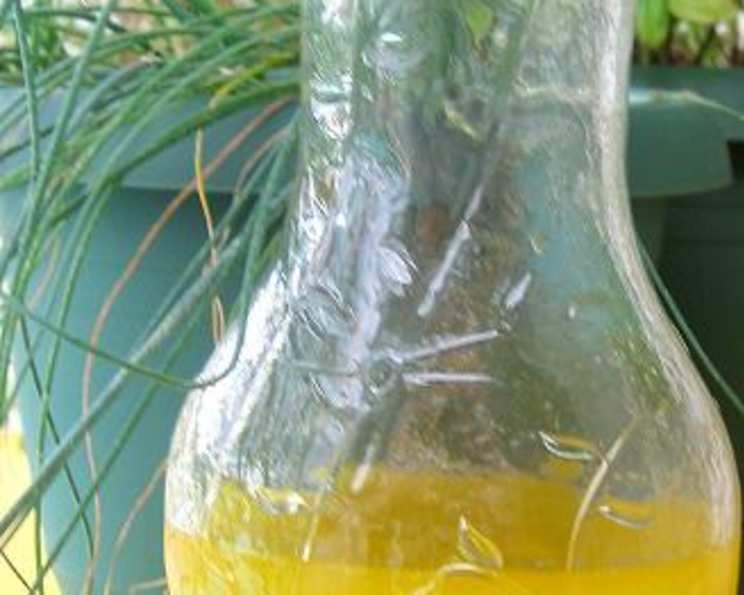
The Quintessential Basic Vinaigrette: A Chef’s Timeless Secret
My grandmother, a woman whose garden overflowed with life and whose kitchen hummed with simple joys, always said, “A good vinaigrette is the soul of a salad.” I remember standing by her side, watching her create magic with just a few humble ingredients. The scent of lemon and herbs, the rhythmic whisking, and the way the dressing transformed ordinary greens into something extraordinary – these are memories I cherish. To this day, a perfectly balanced vinaigrette reminds me of her warmth and the beauty of uncomplicated flavors.
Recipe Overview
- Prep Time: 10 minutes
- Cook Time: 0 minutes
- Total Time: 10 minutes
- Yields: 3/4 cup
- Dietary Type: Vegan, Gluten-Free, Dairy-Free, Keto
Ingredients
- 1/4 cup fresh lemon juice (from 1 to 2 lemons)
- 1 teaspoon honey
- 1 small shallot, minced
- 1/2 cup extra virgin olive oil
- 1/2 teaspoon kosher salt
- 1/4 teaspoon fresh ground black pepper
Equipment Needed
- Small glass bowl
- Whisk
- Measuring cups and spoons
- Cutting board
- Knife
Instructions
-
In a small glass bowl, combine the lemon juice, honey, and minced shallot. The acidity of the lemon juice will begin to gently “cook” the shallot, mellowing its sharp bite.
-
Begin whisking the mixture vigorously. This is the foundation of your emulsion.
-
While continuously whisking, slowly drizzle in the extra virgin olive oil in a thin, steady stream. The key is to incorporate the oil gradually, allowing it to fully emulsify with the other ingredients. This creates a stable and creamy dressing.
-
Continue whisking until the dressing is fully emulsified. It should appear slightly thickened and opaque, rather than separated and oily.
-
Season the vinaigrette with kosher salt and freshly ground black pepper to taste. Be sure to taste as you go and adjust the seasoning to your preference. Remember, salt enhances the other flavors.
Expert Tips & Tricks
- The quality of your olive oil matters. Use a good quality extra virgin olive oil for the best flavor. A mild and fruity olive oil will complement the lemon juice beautifully.
- Mincing the shallot finely is essential. Large pieces of shallot can be overpowering. If you don’t have shallots, you can substitute with finely minced red onion, but use a smaller amount as red onion is stronger in flavor.
- Emulsification is key. If your vinaigrette separates quickly, it means the oil and water-based ingredients haven’t fully combined. Try whisking again vigorously or adding a tiny amount of Dijon mustard, which acts as an emulsifier.
- Adjust the sweetness. If you prefer a tangier vinaigrette, reduce the amount of honey. If you like it sweeter, add a bit more. Maple syrup can be used as a vegan substitute for honey.
- Make it ahead: Vinaigrette can be made a day or two in advance. Store it in an airtight container in the refrigerator. Before using, let it come to room temperature and whisk again to re-emulsify.
- Taste and adjust: The beauty of a basic vinaigrette is its adaptability. Taste it and adjust the ingredients to your liking. Need more acidity? Add more lemon juice. Want more depth? Try a pinch of dried herbs.
- For a creamier vinaigrette, consider using an immersion blender. Be careful not to over-blend, as this can make the vinaigrette too thick and bitter.
Serving & Storage Suggestions
A basic vinaigrette is incredibly versatile. It’s perfect for dressing simple green salads, tossed with roasted vegetables, or drizzled over grilled fish or chicken. It’s also delicious as a marinade for tofu or tempeh.
Store leftover vinaigrette in an airtight container in the refrigerator for up to 5 days. The oil may solidify at cold temperatures, so allow the vinaigrette to come to room temperature before using and whisk well to re-emulsify. Do not freeze, as the emulsion will break down.
Nutritional Information
| Nutrient | Amount per Serving | % Daily Value |
|---|---|---|
| Calories | 175 kcal | 9% |
| Total Fat | 15g | 23% |
| Saturated Fat | 2g | 10% |
| Cholesterol | 0mg | 0% |
| Sodium | 150mg | 7% |
| Total Carbohydrate | 5g | 2% |
| Dietary Fiber | 0g | 0% |
| Sugars | 4g | 8% |
| Protein | 0g | 0% |
Note: Nutritional information is an estimate and can vary based on specific ingredients and portion sizes.
Variations & Substitutions
- Herbaceous Vinaigrette: Add 1-2 tablespoons of finely chopped fresh herbs such as parsley, chives, dill, or thyme.
- Dijon Vinaigrette: Whisk in 1 teaspoon of Dijon mustard for a more complex flavor and creamier texture.
- Garlic Vinaigrette: Add 1 clove of minced garlic to the shallot and lemon juice mixture.
- Maple-Dijon Vinaigrette: Substitute maple syrup for honey and add Dijon mustard. This variation is delicious on kale salads.
- Citrus Variations: Experiment with different citrus juices, such as orange, grapefruit, or lime.
- Balsamic Vinaigrette: Substitute balsamic vinegar for lemon juice. Start with a smaller amount and adjust to taste, as balsamic vinegar is more intense.
- Nut Oil Vinaigrette: Substitute a portion of the olive oil with walnut or hazelnut oil for a richer, nuttier flavor.
- Spicy Vinaigrette: Add a pinch of red pepper flakes or a dash of your favorite hot sauce for a touch of heat.
FAQs (Frequently Asked Questions)
Q: Why does my vinaigrette separate?
A: Vinaigrette separates because oil and water naturally repel each other. Emulsifying the mixture by whisking vigorously and drizzling the oil slowly helps to combine them. Adding a small amount of Dijon mustard can also stabilize the emulsion.
Q: Can I use bottled lemon juice instead of fresh?
A: While fresh lemon juice is always preferred for its brighter flavor, bottled lemon juice can be used in a pinch. However, be sure to use a high-quality bottled juice without any added preservatives or flavors.
Q: How long does vinaigrette last?
A: Vinaigrette can be stored in an airtight container in the refrigerator for up to 5 days. The oil may solidify at cold temperatures, so allow it to come to room temperature and whisk well before using.
Q: Can I freeze vinaigrette?
A: Freezing vinaigrette is not recommended, as the emulsion will break down, resulting in a separated and oily dressing.
Q: What can I use instead of shallots?
A: If you don’t have shallots, you can substitute with finely minced red onion, but use a smaller amount as red onion is stronger in flavor. You can also use a little bit of finely minced scallion.
Final Thoughts
This basic vinaigrette is more than just a recipe; it’s a foundation for countless culinary creations. I encourage you to experiment with the variations, find your favorite combinations, and let your creativity shine. Whether you’re dressing a simple salad or marinating grilled vegetables, this versatile dressing is sure to elevate your dishes. And, as my grandmother always said, remember that the simplest things in life are often the most delicious. So, grab your whisk, gather your ingredients, and enjoy the process of creating something truly special. Bon appétit!