
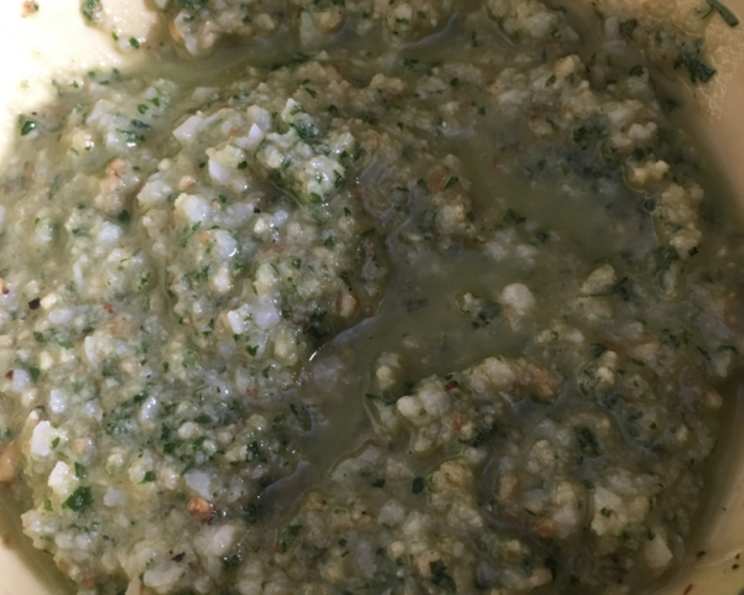
Basil-Walnut Pesto: A Symphony of Flavors
My earliest memory of pesto isn’t from a fancy restaurant, but from my grandmother’s sun-drenched kitchen in Liguria, Italy. The aroma of freshly picked basil mingled with the earthy scent of walnuts, filling the air with an irresistible invitation. I remember watching her, a whirlwind of motion, as she transformed simple ingredients into a vibrant green sauce. She would then spread it lovingly on crusty bread, its flavor an unforgettable taste of home. This basil-walnut pesto recipe is my attempt to capture that same magic, a tribute to her and the simple joys of Italian cooking.
Recipe Overview
- Prep Time: 10 minutes
- Cook Time: 2 minutes (for the pasta water)
- Total Time: 12 minutes
- Servings: 6
- Yield: About 1 1/2 cups
- Dietary Type: Vegetarian
Ingredients
- 2 cups packed basil leaves (approximately 2 oz)
- 1/3 cup olive oil (extra virgin is best)
- 1/2 cup finely chopped walnuts
- 2 cloves garlic, minced or crushed
- 1/2 cup grated Parmesan cheese
- 2 tablespoons softened butter (optional)
- 1/2 teaspoon salt (optional)
Equipment Needed
- Food processor
- Measuring cups and spoons
- Knife
- Cutting board
- Pot for boiling pasta water
- Serving bowl
Instructions
-
Gather all your ingredients. Ensure the basil leaves are washed and thoroughly dried. This will prevent the pesto from becoming watery.
-
In a food processor, combine the basil, olive oil, walnuts, garlic, and salt (if using).
-
Process the mixture until it is thoroughly combined. You may need to stop the food processor and scrape down the sides of the bowl a few times to ensure everything is evenly blended. Aim for a fairly smooth consistency, but some texture is perfectly acceptable.
-
Add the Parmesan cheese and softened butter (if using) to the food processor.
-
Process for another 5-10 seconds, until the cheese and butter are incorporated. Do not over-process at this stage; you want to maintain some texture.
-
Just before serving, cook your favorite pasta according to package directions. Reserve about 2 tablespoons of the hot pasta water.
-
Add the 2 tablespoons of hot pasta water to the pesto and stir to combine. The hot water helps to emulsify the sauce and create a smoother, creamier consistency.
-
Serve the pesto over your cooked pasta.
Expert Tips & Tricks
- Toast the Walnuts: For a deeper, nuttier flavor, toast the walnuts in a dry skillet over medium heat for a few minutes, until fragrant. Be careful not to burn them!
- Basil Quality: The quality of your basil significantly impacts the pesto. Use fresh, vibrant green basil leaves for the best flavor. Avoid any basil with brown spots or wilting leaves.
- Garlic Intensity: Adjust the amount of garlic to your preference. For a milder flavor, use one clove. For a bolder flavor, use three.
- Freezing: Pesto freezes exceptionally well. Portion it into ice cube trays or small containers for easy use later. Thaw in the refrigerator overnight before using.
- Preventing Browning: To prevent the pesto from browning after making it, drizzle a thin layer of olive oil over the surface before storing it in the refrigerator.
- Olive Oil Choice: Using a high-quality extra virgin olive oil will dramatically improve the pesto’s flavor. Look for an oil with a fruity and slightly peppery taste.
- Parmesan Alternative: Pecorino Romano cheese can be used instead of Parmesan for a sharper, saltier flavor.
Serving & Storage Suggestions
Basil-walnut pesto is incredibly versatile. Traditionally, it’s served over pasta, but it can also be used as a spread for sandwiches and wraps, a topping for grilled chicken or fish, or a dip for vegetables.
Leftover pesto should be stored in an airtight container in the refrigerator. It will keep for up to 3-4 days. As mentioned above, drizzle a thin layer of olive oil over the top to prevent browning. You can also freeze pesto for longer storage. Frozen pesto will keep for up to 3 months.
To reheat frozen pesto, thaw it in the refrigerator overnight or microwave it in short bursts, stirring frequently, until heated through. Add a little extra olive oil if needed to restore its creamy consistency.
Nutritional Information
(Estimated per serving)
| Nutrient | Amount per Serving | % Daily Value |
|---|---|---|
| Calories | 213.8 kcal | N/A |
| Calories from Fat | 188 g | 88% |
| Total Fat | 20.9 g | 32% |
| Saturated Fat | 3.7 g | 18% |
| Cholesterol | 7.3 mg | 2% |
| Sodium | 129.2 mg | 5% |
| Total Carbohydrate | 2.8 g | 0% |
| Dietary Fiber | 1.1 g | 4% |
| Sugars | 0.4 g | 1% |
| Protein | 5.7 g | 11% |
Variations & Substitutions
- Vegan Pesto: Omit the Parmesan cheese and butter. Nutritional yeast can be added for a cheesy flavor.
- Nut-Free Pesto: Substitute the walnuts with sunflower seeds or pumpkin seeds.
- Lemon Pesto: Add the zest of one lemon to the food processor for a bright, citrusy twist.
- Sun-Dried Tomato Pesto: Add 1/2 cup of sun-dried tomatoes (oil-packed, drained) to the food processor for a richer, more intense flavor.
- Different Herbs: Experiment with other herbs, such as parsley, cilantro, or mint, for a unique flavor profile.
- Spicy Pesto: Add a pinch of red pepper flakes to the food processor for a touch of heat.
- Pesto with Arugula: Use half basil and half arugula for a peppery bite.
FAQs (Frequently Asked Questions)
Q: Can I use a blender instead of a food processor?
A: While a food processor is ideal, a blender can be used. You may need to add a little more olive oil to help the ingredients blend smoothly. Be sure to scrape down the sides frequently.
Q: How do I prevent the pesto from turning brown?
A: Exposure to air causes pesto to oxidize and turn brown. To prevent this, drizzle a thin layer of olive oil over the surface of the pesto before storing it. Pressing a piece of plastic wrap directly onto the surface can also help.
Q: Can I make this pesto ahead of time?
A: Yes, pesto can be made a day or two in advance and stored in the refrigerator. For longer storage, freeze it.
Q: Is it necessary to add the hot pasta water?
A: The hot pasta water helps to emulsify the sauce and create a smoother, creamier consistency. It’s not essential, but it is highly recommended.
Q: Can I use pre-grated Parmesan cheese?
A: While pre-grated Parmesan cheese can be used, freshly grated Parmesan cheese will have a better flavor and texture.
Final Thoughts
This basil-walnut pesto is a celebration of fresh, simple ingredients transformed into a vibrant and flavorful sauce. It’s a versatile addition to any kitchen, perfect for elevating pasta dishes, sandwiches, and more. I encourage you to try this recipe and experiment with different variations to create your own signature pesto. Share your creations and feedback – I’d love to hear about your culinary adventures! Pair this pesto with a crisp glass of Pinot Grigio for a truly delightful Italian meal. Buon appetito!