
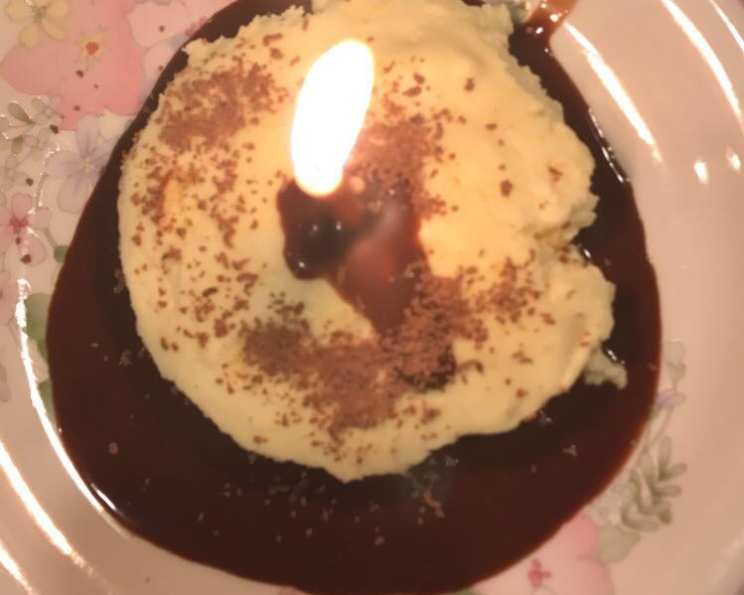
Bavarois: A Culinary Journey into Creamy Elegance
The first time I tasted Bavarois, I was a young culinary student interning at a charming patisserie in Lyon. The head pastry chef, a stern but incredibly talented woman named Madame Dubois, presented it with a flourish. It was a coffee Bavarois, its surface shimmering like polished mahogany, and when I took my first bite, the cool, silky texture and intense coffee flavor transported me. It was more than just a dessert; it was an experience – a testament to the magic that simple ingredients, combined with skill and passion, could create. From that moment on, I was hooked, determined to master the art of Bavarois.
Recipe Overview
- Prep Time: 20 minutes
- Cook Time: 10 minutes
- Total Time: 4 hours (includes chilling time)
- Servings: 6-8
- Yields: 6-8 individual servings or one large mold
- Dietary Type: Not suitable for vegan or dairy-free diets
Ingredients
- 10 g (1/2 oz) gelatin
- 2 eggs, separated
- 50 g (2 oz) caster sugar
- 250 ml (1 cup) milk
- 125 ml (1/2 cup) whipping cream
Optional Variations (see Instructions):
- 50g (2 oz) chocolate (for chocolate bavarois)
- Coffee essence or coffee granules (for coffee bavarois)
- Finely grated zest and juice of 2 lemons or oranges and a drop of orange or yellow food colour (for lemon or orange bavarois)
- Additional 10g gelatin (2 leaves) (for lemon or orange bavarois)
Equipment Needed
- Small bowl
- Whisk
- Thick-bottomed saucepan
- Wooden spoon
- Jelly mould or individual moulds
- Refrigerator
Instructions
-
Begin by preparing the gelatin. If you are using leaf gelatin, soak it in cold water until softened. This usually takes about 5-10 minutes. The water should cover the leaves completely.
-
In a bowl, cream together the egg yolks and caster sugar using a whisk until the mixture becomes pale yellow and almost white. This process incorporates air and creates a light, airy base for the Bavarois.
-
In a separate saucepan, bring the milk to a boil. Watch it carefully, as milk can easily boil over.
-
Once the milk reaches a boil, gradually whisk it into the egg yolk and sugar mixture. This is a crucial step to temper the eggs and prevent them from scrambling. Add the hot milk slowly, whisking constantly to ensure a smooth and even incorporation.
-
Pour the mixture back into the thick-bottomed saucepan. Place the saucepan over low heat and stir continuously with a wooden spoon until the mixture coats the back of the spoon. This is similar to making a custard. The mixture should thicken slightly but must not boil. Boiling will cause the eggs to curdle, resulting in a grainy texture. This process usually takes around 5-8 minutes.
-
Remove the saucepan from the heat and add the softened gelatin. If using leaf gelatin, squeeze out any excess water before adding it. Stir until the gelatin is completely dissolved. Ensure there are no lumps of undissolved gelatin, as this can affect the texture of the final product.
-
Stir the mixture occasionally until it cools down and reaches almost setting point. This prevents a skin from forming on the surface and ensures a smooth, even texture throughout the Bavarois. It will take approximately 30 – 45 minutes to cool down.
-
In a separate bowl, lightly beat the whipping cream until it forms soft peaks. Be careful not to overwhip the cream, as this can make it grainy. The cream should be light and airy.
-
In another clean bowl, stiffly beat the egg whites until they form stiff, glossy peaks. The egg whites should be firm enough to hold their shape but not dry.
-
Gently fold the lightly beaten cream into the cooled gelatin mixture. Use a spatula and a light hand to avoid deflating the cream.
-
Carefully fold in the stiffly beaten egg whites. Again, use a spatula and a gentle folding motion to incorporate the egg whites without losing their volume. This step is essential for achieving a light and airy texture.
-
Pour the mixture into a fancy jelly mould or individual moulds that have been lightly oiled. Oiling the moulds will help the Bavarois release easily when serving.
-
Refrigerate the Bavarois until it is completely set. This usually takes at least 3-4 hours, or preferably overnight.
-
To serve, turn the Bavarois onto a plate. You can dip the mould briefly in warm water to help release it more easily.
For Variations:
-
Chocolate Bavarois: Melt 50g (2 oz) of chocolate in the milk before bringing it to a boil. Use good quality dark chocolate for the best flavour.
-
Coffee Bavarois: Add some coffee essence or coffee granules to the milk before bringing it to a boil. Adjust the amount of coffee to your desired strength.
-
Lemon or Orange Bavarois: Add finely grated zest and juice of 2 lemons or oranges and a drop of orange or yellow food colour to the mix. Because the acidity of the citrus can interfere with the setting of the gelatin, increase the gelatin by 10g (2 leaves).
Expert Tips & Tricks
- Don’t boil the custard! This is the most common mistake when making Bavarois. Keep the heat low and stir constantly to prevent curdling.
- Use a thermometer: If you’re unsure about the custard’s temperature, use a thermometer. It should reach around 82-85°C (180-185°F).
- Cool the mixture properly: Allowing the gelatin mixture to cool and thicken slightly before folding in the cream and egg whites is crucial. This will help prevent the ingredients from separating and ensure a smooth, even texture.
- Use high-quality ingredients: The quality of your ingredients will directly impact the flavour of the Bavarois. Use fresh eggs, good quality cream, and real vanilla extract for the best results.
- For a smoother texture: After adding the gelatin, strain the mixture through a fine-mesh sieve to remove any lumps.
Serving & Storage Suggestions
Serve the Bavarois chilled, garnished with fresh fruit, whipped cream, chocolate shavings, or a drizzle of fruit sauce. It is best served within 2-3 days of making it.
Store leftover Bavarois in the refrigerator in an airtight container. It will last for up to 3 days. Bavarois is not suitable for freezing as the texture will be compromised.
Nutritional Information
| Nutrient | Amount per Serving (estimated) | % Daily Value* |
|---|---|---|
| Calories | 250 kcal | 13% |
| Total Fat | 15g | 23% |
| Saturated Fat | 9g | 45% |
| Cholesterol | 150mg | 50% |
| Sodium | 70mg | 3% |
| Total Carbohydrate | 15g | 5% |
| Dietary Fiber | 0g | 0% |
| Sugars | 12g | – |
| Protein | 8g | 16% |
*Percent Daily Values are based on a 2,000 calorie diet.
Variations & Substitutions
- Vegan Bavarois: While this recipe relies heavily on dairy and eggs, a vegan version can be achieved using plant-based alternatives like agar-agar for gelatin, full-fat coconut milk for cream, and silken tofu or blended cashews for the custard base. You’ll need to adjust the quantities and cooking times accordingly.
- Lower-Sugar Bavarois: Reduce the amount of caster sugar or use a sugar substitute like stevia or erythritol. Be mindful that sugar substitutes may alter the texture and flavour.
- Seasonal Flavours: Experiment with seasonal fruits and flavours. In the autumn, try pumpkin spice or apple cider Bavarois. In the summer, use fresh berries or stone fruits.
FAQs (Frequently Asked Questions)
Q: Can I use powdered gelatin instead of leaf gelatin?
A: Yes, you can substitute powdered gelatin for leaf gelatin. Use the same weight (10g) and bloom it in cold water before adding it to the mixture.
Q: How do I prevent the Bavarois from separating?
A: Make sure the gelatin mixture has cooled and thickened slightly before folding in the cream and egg whites. Also, fold the ingredients gently to avoid deflating them.
Q: My Bavarois didn’t set properly. What went wrong?
A: This could be due to several reasons, such as not using enough gelatin, not allowing the gelatin to dissolve completely, or adding acidic ingredients (like citrus juice) without increasing the gelatin.
Q: Can I make Bavarois ahead of time?
A: Yes, Bavarois can be made a day or two in advance. Store it covered in the refrigerator.
Q: How can I make individual Bavarois look more appealing?
A: Use decorative moulds or ramekins. Garnish with fresh fruit, whipped cream, chocolate shavings, or a drizzle of fruit sauce before serving.
Final Thoughts
Bavarois, with its elegant simplicity and endless flavour possibilities, is a dessert that deserves a place in every home cook’s repertoire. Don’t be intimidated by its seemingly complex nature. With a little practice and attention to detail, you can create a stunning and delicious dessert that will impress your friends and family. I encourage you to try this recipe and experiment with different flavours and variations to create your own signature Bavarois. And please, share your experiences and feedback – I’m always eager to learn from fellow food enthusiasts! Perhaps, pair it with a crisp glass of sparkling wine for an unforgettable culinary experience.