
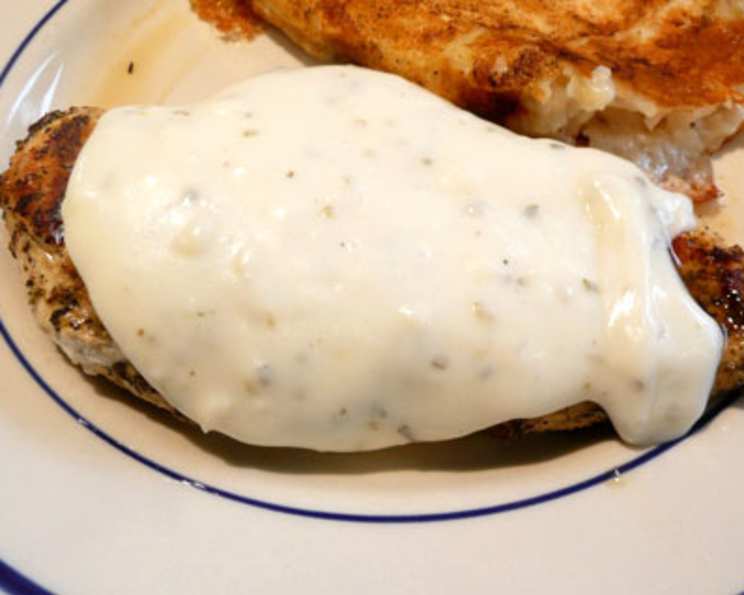
The Perfect Bechamel: A Chef’s Guide to Classic White Sauce
There’s a distinct memory etched in my mind: Standing on a slightly wobbly stool, barely tall enough to reach the stove, watching my grandmother stir a pot with quiet determination. The aroma filling the kitchen was intoxicating – warm milk mingling with nutty butter, hinting at something incredibly comforting. It was bechamel, the unassuming white sauce that held the power to transform even the simplest ingredients into a culinary masterpiece. That day, I learned that bechamel isn’t just a sauce; it’s a foundation, a building block of flavor, and a vessel for countless culinary creations.
Recipe Overview
- Prep Time: 5 minutes
- Cook Time: 10-15 minutes
- Total Time: 15-20 minutes
- Yields: 2 1/2 cups
- Serves: 4-6
- Dietary Type: Vegetarian
Ingredients
- 1/4 cup unsalted butter
- 1/4 cup all-purpose flour
- 2 cups milk
- 1 teaspoon salt (to taste)
- 1 teaspoon ground black pepper (to taste)
- 1 teaspoon dried oregano
- 2 small garlic cloves, minced
Equipment Needed
- Small saucepan
- Whisk
- Garlic press (optional)
Instructions
- Begin by melting the butter in a small saucepan over medium-high heat. Watch carefully; you want it melted but not browned.
- Once the butter is fully melted, add the flour. Immediately grab your whisk and vigorously whisk the flour into the melted butter. Continue stirring constantly for about 2-3 minutes. This process creates a roux, the thickening agent for your sauce. You’re looking for a smooth, slightly golden paste with a nutty aroma. Be careful not to burn the roux, as it will impart a bitter flavor to the final sauce.
- Now, gradually introduce the milk. Pour a small amount of milk into the roux while continuously whisking. Ensure that the milk is fully incorporated before adding more. This gradual addition prevents lumps from forming. Continue adding the milk in small increments, whisking constantly until the mixture is smooth and homogenous.
- Once all the milk has been added, it’s time to season the sauce. Add the salt, pepper, dried oregano, and minced garlic. If you’re using a garlic press, now is the perfect time to press the garlic directly into the sauce for maximum flavor.
- Reduce the heat to medium-low and continue to stir frequently until the sauce thickens. This may take anywhere from 5-10 minutes, depending on your stove’s heat and the size of your saucepan. You’ll know the sauce is ready when it coats the back of a spoon and leaves a clear line when you run your finger through it. Remember that the sauce will continue to thicken as it cools, so don’t overcook it.
- If you find that your sauce is too thick, add a tablespoon or two of milk at a time until it reaches your desired consistency. Whisk thoroughly after each addition to ensure it’s fully incorporated.
- Taste and adjust the seasoning as needed. Add more salt, pepper, or oregano to your liking.
Expert Tips & Tricks
- Preventing Lumps: The key to a lump-free bechamel is to gradually add the milk to the roux while whisking constantly. If lumps do form, don’t panic! You can use an immersion blender to smooth out the sauce.
- Flavor Infusion: For a richer flavor, infuse the milk with aromatics before adding it to the roux. Simmer the milk with a bay leaf, a few peppercorns, or a halved onion for about 15-20 minutes, then strain before using.
- Nutmeg Magic: A pinch of freshly grated nutmeg is a classic addition to bechamel, adding warmth and depth of flavor. Add it towards the end of the cooking process.
- Roux Ratio: The classic ratio for bechamel is equal parts butter and flour. This ensures that the sauce thickens properly without being too heavy or gluey.
- Make-Ahead Tip: Bechamel can be made ahead of time and stored in the refrigerator for up to 3 days. To prevent a skin from forming on the surface, press a piece of plastic wrap directly onto the sauce while it cools. Reheat gently over low heat, whisking frequently, until smooth.
Serving & Storage Suggestions
Bechamel is incredibly versatile and can be used in a variety of dishes. It’s delicious over chicken, pasta, steamed vegetables, and in baked dishes like lasagna and gratins. Serve it warm as a sauce or use it as a base for more complex sauces, like Mornay (with added cheese).
To store leftover bechamel, let it cool completely before transferring it to an airtight container. Store it in the refrigerator for up to 3 days. To reheat, gently warm the sauce in a saucepan over low heat, whisking frequently. If the sauce has thickened too much, add a splash of milk to thin it out. Bechamel can also be frozen for up to 2 months. Thaw it in the refrigerator overnight and reheat as directed above. Keep in mind that the texture may change slightly after freezing and thawing.
Nutritional Information
| Nutrient | Amount per Serving | % Daily Value |
|---|---|---|
| Calories | 212.6 kcal | N/A |
| Calories from Fat | 144 kcal | 68% |
| Total Fat | 16.1 g | 24% |
| Saturated Fat | 10.1 g | 50% |
| Cholesterol | 47.6 mg | 15% |
| Sodium | 643.3 mg | 26% |
| Total Carbohydrate | 12.7 g | 4% |
| Dietary Fiber | 0.5 g | 1% |
| Sugars | 0.1 g | 0% |
| Protein | 5.1 g | 10% |
Note: Nutritional information is an estimate and may vary based on specific ingredients and serving sizes.
Variations & Substitutions
- Gluten-Free Bechamel: Substitute the all-purpose flour with a gluten-free all-purpose flour blend or rice flour. The cooking process remains the same.
- Dairy-Free Bechamel: Use your favorite plant-based milk, such as almond, soy, or oat milk, in place of cow’s milk. You can also use a dairy-free butter substitute. Note that the flavor will be slightly different.
- Spicy Bechamel: Add a pinch of red pepper flakes or a dash of hot sauce to the sauce for a spicy kick.
- Herbaceous Bechamel: Substitute the dried oregano with fresh herbs like thyme, rosemary, or parsley. Add the fresh herbs towards the end of the cooking process.
- Cheesy Bechamel (Mornay Sauce): Stir in grated cheese, such as Gruyere, Parmesan, or Cheddar, into the sauce towards the end of cooking. Cook until the cheese is melted and the sauce is smooth.
FAQs (Frequently Asked Questions)
Q: How do I fix a bechamel sauce that’s too thick?
A: Gradually whisk in a tablespoon or two of warm milk at a time until the sauce reaches your desired consistency. Be sure to whisk thoroughly after each addition.
Q: Can I use salted butter instead of unsalted butter?
A: Yes, you can use salted butter. However, you may need to reduce the amount of salt you add to the sauce to avoid it being too salty. Taste and adjust the seasoning accordingly.
Q: Why is my bechamel sauce grainy?
A: A grainy texture usually indicates that the roux wasn’t cooked properly or that the sauce was cooked at too high a temperature. Be sure to cook the roux for 2-3 minutes over medium heat and cook the sauce over medium-low heat, stirring frequently.
Q: Can I add cheese to bechamel sauce?
A: Absolutely! Adding cheese transforms bechamel into a Mornay sauce, a classic cheesy sauce perfect for gratins, pasta dishes, and more. Stir in your favorite grated cheese (Gruyere, Parmesan, and Cheddar are all great choices) towards the end of cooking until melted and smooth.
Q: Is it necessary to use a whisk when making bechamel sauce?
A: While you can use a spoon, a whisk is highly recommended for making bechamel. It helps to incorporate the flour into the butter smoothly and prevents lumps from forming.
Final Thoughts
Bechamel is more than just a white sauce; it’s a culinary cornerstone, a canvas for countless flavors and creations. From classic gratins to creamy pasta dishes, the possibilities are endless. Don’t be intimidated by its simplicity; with a few basic ingredients and techniques, you can master this essential sauce and elevate your cooking to new heights. So, grab your saucepan, whisk, and let’s create some culinary magic! I encourage you to try this recipe and experiment with different variations to find your perfect bechamel. And please, share your feedback – I’d love to hear about your culinary adventures! This sauce pairs perfectly with a crisp, dry white wine and a side of roasted vegetables.