
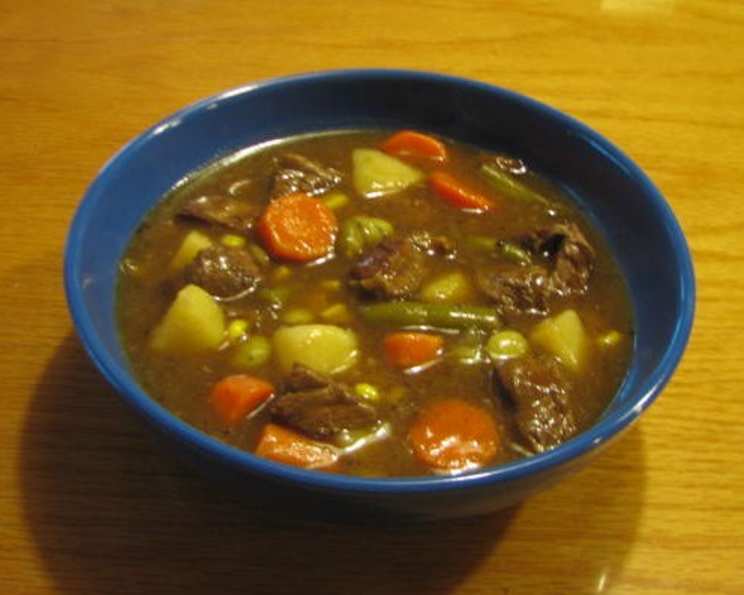
Beef Stew the Old Fashioned Way: A Hearty Classic
The scent of beef stew simmering on the stovetop takes me straight back to my grandmother’s kitchen. I can almost see her now, standing over the big stockpot, stirring with a wooden spoon, her face flushed with warmth and contentment. It wasn’t just the aroma of tender beef, fragrant herbs, and sweet root vegetables that filled the air; it was also the feeling of home, love, and togetherness that only a good, old-fashioned beef stew can evoke. This recipe captures that same comforting spirit, a dish built on simple ingredients and time-honored techniques.
Recipe Overview
- Prep Time: 20 minutes
- Cook Time: 2 hours 45 minutes
- Total Time: 3 hours 5 minutes
- Servings: 6-8
- Yield: Approximately 8 cups
- Dietary Type: Gluten-Free, Dairy-Free (check broth ingredients)
Ingredients
- 1 1⁄2 lbs defatted beef roast, cut in 3/4 in. chunks (blade steak, arm roast, or chuck roast work well)
- 2 tablespoons olive oil
- Salt and pepper, to taste
- 1 large onion (about 2 cups, coarsely chopped)
- 2 garlic cloves, minced
- 1⁄2 teaspoon thyme
- 1⁄4 cup red wine
- 3 (14 ounce) cans low sodium beef broth
- 1 tablespoon hoisin sauce or 1 tablespoon low sodium soy sauce
- 1 bay leaf, broken in half
- 3 carrots, cut into 1/2-inch slices (1 1/2 cups)
- 3 red potatoes, cut into 1 ‘ cubes (3-4 cups)
- 1 1⁄2 cups frozen butter beans
- 1 1⁄2 cups green beans
- 1 cup frozen corn
- 1 cup frozen green pea
- 14 1⁄2 ounces diced tomatoes, drained (optional)
- 2 1⁄2 tablespoons cornstarch
Equipment Needed
- 5 quart stock pot
- Cutting board
- Sharp knife
- Measuring cups and spoons
- Fork
Instructions
-
Begin by preparing the beef. Thoroughly dry the beef chunks with paper towels. This crucial step helps ensure a good sear. Season generously with salt and pepper to taste. Don’t be shy with the seasoning; it’s the foundation of the stew’s flavor.
-
Heat the olive oil in your 5-quart stock pot over medium-high heat. Once the oil is shimmering, brown the beef in two batches, being careful not to overcrowd the pot. Overcrowding lowers the temperature and causes the beef to steam instead of sear. A good sear develops a rich, flavorful crust that will enhance the stew. Remove the browned beef from the pot and set aside.
-
Add the onion, garlic, and thyme to the pot. If the pot seems dry, add a bit more olive oil. Lightly brown the aromatics, stirring occasionally, until the onions are translucent and fragrant, about 5-7 minutes. Watch carefully to prevent the garlic from burning, which can impart a bitter taste.
-
Deglaze the pot with the red wine. Pour the wine into the pot and scrape up any browned bits from the bottom with a wooden spoon. These bits, known as fond, are packed with flavor and will add depth to the stew. Allow the wine to simmer for a minute or two, reducing slightly.
-
Add the beef broth, hoisin sauce (or soy sauce), and bay leaf to the pot. Stir to combine all the ingredients.
-
Return the browned beef to the pot. Bring the mixture to a simmer, then cover the pot and reduce the heat to low. Simmer for about 2 hours, or until the meat is fork-tender. The longer the stew simmers, the more tender the beef will become. Check the stew periodically, adding more broth if needed to keep the meat submerged.
-
Remove 1/4 cup of the broth from the pot and set it aside. This will be used to create a slurry with the cornstarch.
-
Add the potatoes, carrots, butter beans, green beans, corn, peas, and diced tomatoes (if using) to the pot. Stir gently to combine.
-
Simmer until the vegetables are tender, about 30 minutes. Check the vegetables periodically and adjust the cooking time as needed.
-
In a small bowl, add the cornstarch to the reserved 1/4 cup of broth. Mix with a fork until smooth, ensuring there are no lumps.
-
Add the cornstarch slurry to the pot, stirring continuously until the stew thickens. This should only take a minute or two. If the stew is not thick enough, you can add a bit more cornstarch slurry, but be careful not to over-thicken it.
-
Adjust seasonings to taste. Add more salt and pepper as needed. You may also want to add a pinch of red pepper flakes for a touch of heat.
Expert Tips & Tricks
- Browning is Key: Don’t skip the step of browning the beef. This is where much of the stew’s rich flavor comes from. Use a hot pan and don’t overcrowd it.
- Low and Slow: The key to tender beef is a long, slow simmer. Resist the urge to rush the cooking process.
- Deglazing Magic: Deglazing the pot with red wine adds depth and complexity to the stew. If you don’t have red wine, you can use beef broth instead.
- Vegetable Variety: Feel free to adapt the vegetables to your liking. Parsnips, turnips, or celery would also be delicious in this stew.
- Herb Power: Fresh herbs can add a burst of flavor. Add a sprig of rosemary or a few fresh thyme leaves to the stew during the last 30 minutes of cooking. Remove before serving.
- Make Ahead: This stew is even better the next day, as the flavors have time to meld together. You can make it a day or two in advance and store it in the refrigerator.
- Thickening Troubleshooting: If your stew isn’t thickening, ensure the cornstarch slurry is smooth before adding it. If it’s still not thick enough, you can make another small slurry with a teaspoon of cornstarch and a tablespoon of cold water and add it to the stew.
Serving & Storage Suggestions
Serve the beef stew hot, ladled into bowls. Garnish with a sprinkle of fresh parsley or a dollop of sour cream or Greek yogurt. Crusty bread or biscuits are perfect for soaking up the delicious gravy.
Storage:
- Room Temperature: Do not leave the stew at room temperature for more than 2 hours.
- Refrigerator: Store leftover stew in an airtight container in the refrigerator for up to 3-4 days.
- Freezer: For longer storage, freeze the stew in an airtight container for up to 2-3 months.
Reheating:
- Stovetop: Reheat the stew gently over medium heat on the stovetop, stirring occasionally, until heated through. Add a little broth or water if needed to thin the stew.
- Microwave: Reheat individual portions in the microwave on medium power, stirring occasionally, until heated through.
Nutritional Information
| Nutrient | Amount per Serving (estimated) | % Daily Value* |
|---|---|---|
| Calories | 450 kcal | 23% |
| Total Fat | 20g | 31% |
| Saturated Fat | 8g | 40% |
| Cholesterol | 70mg | 23% |
| Sodium | 400mg | 17% |
| Total Carbohydrate | 45g | 15% |
| Dietary Fiber | 10g | 40% |
| Sugars | 8g | |
| Protein | 30g | 60% |
*Percent Daily Values are based on a 2,000 calorie diet. Your daily values may be higher or lower depending on your calorie needs.
Variations & Substitutions
- Gluten-Free: Ensure your beef broth and hoisin/soy sauce are gluten-free.
- Vegetarian: Substitute the beef with hearty mushrooms, such as cremini or portobello. Use vegetable broth instead of beef broth.
- Spicy: Add a pinch of red pepper flakes or a chopped jalapeno pepper to the stew for a touch of heat.
- Wine Variation: Try using a different red wine, such as Merlot or Cabernet Sauvignon, for a slightly different flavor profile.
- Root Vegetable Medley: Incorporate other root vegetables like parsnips, turnips, or rutabaga for added depth of flavor and nutrition.
- Slow Cooker Adaptation: Brown the beef and sauté the onions and garlic as directed, then transfer all ingredients to a slow cooker. Cook on low for 6-8 hours, or on high for 3-4 hours, until the beef is tender. Add the cornstarch slurry during the last 30 minutes of cooking to thicken the stew.
FAQs (Frequently Asked Questions)
Q: Can I use a different cut of beef?
A: Yes, you can use other cuts of beef, such as chuck roast, arm roast, or even stew meat. Just be sure to cut the beef into 3/4-inch chunks and brown it well.
Q: Can I add other vegetables?
A: Absolutely! Feel free to add other vegetables to your liking, such as parsnips, turnips, or celery.
Q: Can I make this stew in a slow cooker?
A: Yes, this stew can easily be made in a slow cooker. Just brown the beef and sauté the onions and garlic as directed, then transfer all ingredients to the slow cooker.
Q: How do I prevent the potatoes from becoming mushy?
A: Cut the potatoes into larger chunks and add them to the stew during the last 30 minutes of cooking. Avoid overcooking the stew.
Q: Can I freeze this stew?
A: Yes, this stew freezes well. Allow it to cool completely before transferring it to an airtight container and freezing it for up to 2-3 months.
Final Thoughts
This old-fashioned beef stew is more than just a meal; it’s an experience. It’s a taste of tradition, a hug in a bowl, and a reminder of the simple pleasures in life. So, gather your ingredients, put on your apron, and get ready to create a dish that will warm your heart and soul. Don’t be afraid to experiment with different variations and make it your own. And most importantly, enjoy the process! I encourage you to share your creations and feedback, and perhaps pair this wonderful stew with a glass of robust red wine and some warm, crusty bread. Bon appétit!