
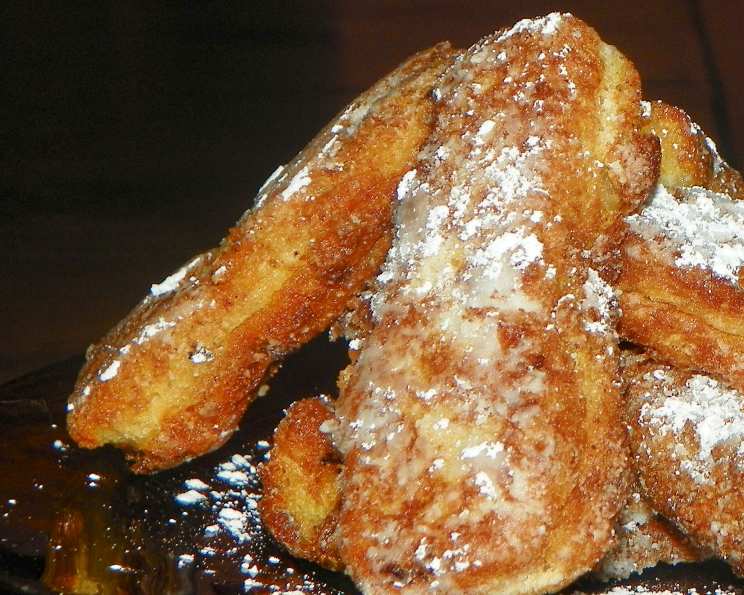
Beignet French Toast: A Decadent Morning Delight
The memory still makes my mouth water: waking up to the intoxicating aroma of sweet, yeasty dough frying to golden perfection. My grandmother, a true Southern matriarch, would transform our humble kitchen into a New Orleans bakery, crafting batches of beignets for Sunday brunch. They were light, airy pillows of fried dough, dusted with powdered sugar, that practically melted in your mouth. While this isn’t quite my grandmother’s beignet recipe, it captures the spirit of those mornings, transforming ordinary French toast into a truly special treat. Imagine the pillowy inside of a beignet combined with the comforting custardy texture of French toast – that’s what this recipe delivers.
Recipe Overview
- Prep Time: 20 minutes
- Cook Time: 15 minutes
- Total Time: 35 minutes
- Servings: 6
- Dietary Type: Not specified
Ingredients
- 6 slices white bakery-style bread (at least 1 inch thick) or 6 slices homemade white bread (at least 1 inch thick)
- 2 cups flour
- 4 teaspoons baking powder
- 1/2 cup sugar
- Salt
- 1 large egg, beaten slightly
- 1 1/2 cups milk
- 1 tablespoon butter, melted
- 1 teaspoon vanilla
- Canola oil (for frying)
- Maple syrup, honey, or sugar and cinnamon for topping
Equipment Needed
- Large Bowl
- Whisk
- Large Saucepan or Deep Fryer
- Paper Towels
- Baking Sheet
- Oven
Instructions
-
Preheat your oven to 200 degrees Fahrenheit. This low heat will keep your cooked French toast warm and crispy while you finish frying the remaining batches.
-
Prepare the bread: Quarter the bread slices diagonally and trim the crusts. This creates smaller, more manageable pieces that are easier to fry evenly. Trimming the crusts gives the final product a more refined texture.
-
Dry the bread: Leave the bread to dry overnight for a slightly chewier texture. Alternatively, spread the slices on a baking sheet and place them in the preheated oven to dry for 5 – 10 minutes. Keep a close eye on them to prevent burning! Do not turn the oven off after drying the bread; it’s crucial for keeping the cooked French toast warm.
-
Make the batter: In a large bowl, combine the flour, baking powder, sugar, and a pinch of salt. The baking powder is essential for that characteristic beignet puffiness. The sugar adds sweetness and helps with browning during frying.
-
Whisk in the wet ingredients: Add the beaten egg, milk, melted butter, and vanilla to the dry ingredients. Whisk until just combined. Be careful not to overmix, as this can develop the gluten in the flour, resulting in a tougher texture. A few lumps are perfectly fine.
-
Heat the oil: Pour 2 – 3 inches of canola oil into a large saucepan or deep fryer. Heat the oil until it is hot but not smoking. Use a thermometer to ensure the oil reaches approximately 375 degrees Fahrenheit. Maintaining the correct oil temperature is crucial for achieving a golden-brown, crispy exterior without burning the inside. If you don’t have a thermometer, test the oil by dropping a small piece of bread into it; it should sizzle and turn golden brown in about 30 seconds.
-
Dip and fry: Dip the bread slices in the batter, coating them completely. Make sure each piece is fully submerged and evenly coated.
-
Fry in batches: Fry the bread in the hot oil in small batches (4 – 6 at a time, depending on the size of your saucepan or fryer) for about 30 seconds on each side, until golden. Don’t overcrowd the pan, as this will lower the oil temperature and result in soggy French toast. Flip the pieces gently with tongs to ensure even cooking.
-
Drain and keep warm: Drain the fried bread on paper towels to remove excess oil. This is key to preventing a greasy final product.
-
Keep warm: Place the drained bread in the preheated oven to keep warm while you fry the remainder. This ensures that all of your beignet French toast is served hot and fresh.
-
Serve immediately: When you have finished frying all the toast, serve immediately. Top with maple syrup, honey, or a classic combination of sugar and cinnamon.
Expert Tips & Tricks
-
Bread Choice: Using day-old bread (whether dried overnight or briefly in the oven) prevents the French toast from becoming soggy. The slightly drier bread absorbs the batter more effectively without becoming overly saturated.
-
Oil Temperature Control: Maintaining a consistent oil temperature is crucial for even cooking. If the oil is too hot, the outside will burn before the inside is cooked through. If the oil is too cold, the French toast will absorb too much oil and become greasy.
-
Batter Consistency: The batter should be thick enough to coat the bread slices without being too heavy. If the batter seems too thin, add a tablespoon of flour at a time until you reach the desired consistency.
-
Crispy Edges: For extra crispy edges, consider using a cast-iron skillet for frying. The cast iron retains heat exceptionally well, which helps to create a beautifully browned crust.
-
Prevent Sticking: To prevent the bread from sticking to the bottom of the pan, make sure the oil is hot enough before adding the first batch.
Serving & Storage Suggestions
Serve your beignet French toast immediately while it’s still warm and crispy. The classic toppings – maple syrup, honey, or cinnamon sugar – are always a hit, but you can also get creative with fresh berries, whipped cream, chocolate sauce, or even a dusting of powdered sugar, just like a classic beignet!
Leftovers can be stored in an airtight container in the refrigerator for up to 2 days. To reheat, bake in a preheated oven at 350 degrees Fahrenheit for 5-7 minutes, or until heated through. You can also reheat them in a toaster oven for a crispier result. Microwaving is not recommended, as it can make them soggy. Freezing is not recommended either.
Nutritional Information
| Nutrient | Amount per Serving | % Daily Value |
|---|---|---|
| Calories | 354.2 kcal | N/A |
| Calories from Fat | N/A | 16% |
| Total Fat | 6.2 g | 9% |
| Saturated Fat | 3.1 g | 15% |
| Cholesterol | 44.6 mg | 14% |
| Sodium | 429.5 mg | 17% |
| Total Carbohydrate | 64.8 g | 21% |
| Dietary Fiber | 1.7 g | 6% |
| Sugars | 17.9 g | 71% |
| Protein | 9.3 g | 18% |
Please note: Nutritional information is an estimate and may vary depending on specific ingredients and portion sizes.
Variations & Substitutions
- Gluten-Free: Use gluten-free bread and a gluten-free flour blend to make this recipe gluten-free.
- Dairy-Free: Substitute the milk with your favorite non-dairy milk, such as almond milk, soy milk, or oat milk. Ensure the butter is also dairy-free or substitute with a neutral oil like coconut oil.
- Spiced Batter: Add a pinch of ground cinnamon, nutmeg, or cardamom to the batter for a warmer, more aromatic flavor.
- Citrus Zest: Grate the zest of an orange or lemon into the batter for a bright, citrusy twist.
- Brioche Bread: Use brioche bread instead of white bread for an even richer and more decadent French toast.
- Savory French Toast: Omit the sugar from the batter and add herbs such as thyme, rosemary, or chives for a savory version. Serve with a fried egg and hollandaise sauce.
FAQs (Frequently Asked Questions)
Q: Why do I need to dry the bread beforehand?
A: Drying the bread helps prevent the French toast from becoming soggy when dipped in the batter. Slightly dry bread absorbs the batter more evenly and fries up crispier.
Q: Can I use a different type of oil for frying?
A: Yes, you can use other high-heat oils such as vegetable oil, peanut oil, or sunflower oil. Avoid using olive oil, as it has a lower smoke point.
Q: How do I know when the oil is hot enough?
A: The ideal oil temperature is around 375 degrees Fahrenheit. If you don’t have a thermometer, drop a small piece of bread into the oil. It should sizzle immediately and turn golden brown in about 30 seconds.
Q: Can I make the batter ahead of time?
A: It’s best to make the batter fresh, as the baking powder will lose its potency over time. However, if you need to make it ahead of time, store it in the refrigerator for up to 24 hours.
Q: My French toast is burning on the outside but still raw on the inside. What am I doing wrong?
A: The oil temperature is likely too high. Lower the heat and allow the oil to cool down slightly before continuing to fry.
Final Thoughts
This beignet French toast recipe is more than just a breakfast dish; it’s an invitation to create lasting memories with your loved ones. Gather around the table, savor the delicious aroma, and enjoy the simple pleasures of a home-cooked meal. Don’t be afraid to experiment with different toppings and variations to make it your own. And most importantly, don’t forget to share the joy – both the recipe and the delicious results – with friends and family. Happy cooking!