
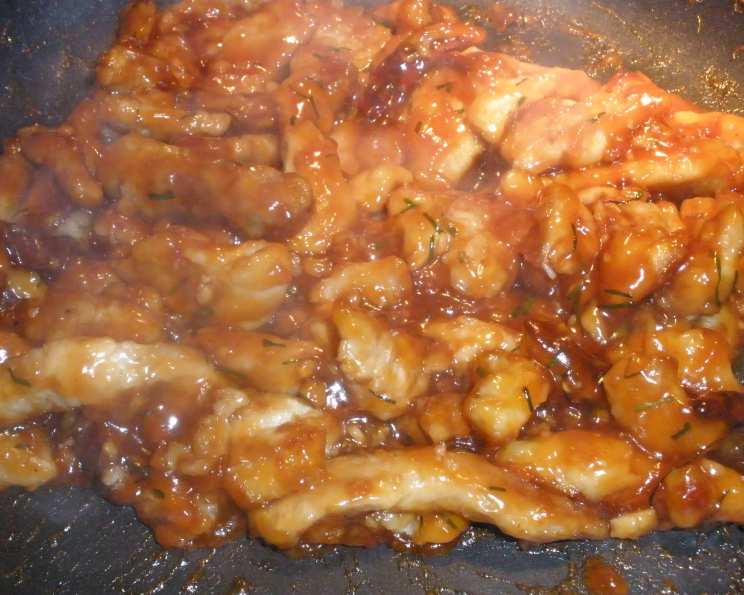
Beijing Beef: A Fiery Homage to a Fast-Food Favorite
My first encounter with Beijing Beef was a whirlwind of sweet, spicy, and crispy textures. As a kid, the vibrant orange hue of the beef, piled high in a take-out container, was instantly captivating. Each bite was an explosion of flavor – the satisfying crunch of the perfectly fried beef, followed by the sticky, tangy sauce that clung to every strand. It was a guilty pleasure, a comforting indulgence that always brought a smile to my face. Now, as a chef, I’ve taken on the challenge of recreating and elevating that iconic taste at home, capturing the essence of the original while adding a personal touch with a fiery kick.
Recipe Overview
- Prep Time: 20 minutes
- Cook Time: 15 minutes
- Total Time: 35 minutes
- Servings: 2
- Dietary Type: Not Gluten-Free
Ingredients
- ¾ lb flank steak, fat and silver-skin removed, sliced into thin strips
- 6 tablespoons cornstarch, for dusting
- Oil, for frying
Marinade:
- 1 egg
- ¼ teaspoon salt
- 2 tablespoons water
- 1 tablespoon cornstarch
Aromatics:
- 2 garlic cloves, chopped
- 1 shallot, sliced
- 6-8 assorted chili peppers
Sauce:
- 4 tablespoons water
- 2 tablespoons sugar
- 3 tablespoons ketchup
- 1 tablespoon vinegar (white or rice vinegar recommended)
- 1 teaspoon chili sauce (such as Sriracha)
- 1 tablespoon hoisin sauce
Equipment Needed
- Large bowl
- Wok or large frying pan
- Paper towels
Instructions
- Begin by preparing the flank steak. Slice the beef into thin strips against the grain. This ensures tenderness.
- In a large bowl, combine all the marinade ingredients: egg, salt, water, and cornstarch. Whisk until well combined.
- Add the sliced beef to the marinade, ensuring each piece is coated evenly. Cover the bowl and refrigerate for at least 15 minutes, or up to an hour for optimal flavor infusion.
- While the beef marinates, prepare the sauce. In a separate bowl or saucepan, combine the water, sugar, ketchup, vinegar, chili sauce, and hoisin sauce. Set aside.
- Prepare the aromatics. Chop the garlic cloves and slice the shallot. Slice the chili peppers.
- Once the beef has marinated, remove it from the refrigerator. Place the 6 tablespoons of cornstarch in a separate bowl or on a plate. Dredge each strip of marinated beef in the cornstarch, ensuring a thin, even coating. Shake off any excess cornstarch. This step is crucial for achieving that signature crispy texture.
- Heat a generous amount of oil in a wok or large frying pan over medium-high heat. The oil should be deep enough for deep-frying.
- Carefully add the cornstarch-coated beef to the hot oil in batches, being careful not to overcrowd the pan. Overcrowding will lower the oil temperature and result in soggy beef.
- Quickly deep-fry the beef for 2-3 minutes, or until golden brown and crispy. Remove the beef from the oil using a slotted spoon and transfer it to a plate lined with paper towels to drain excess oil.
- After frying all the beef, drain the wok, leaving approximately 2 tablespoons of oil in the pan.
- Return the wok to the heat. Add the chopped garlic, sliced shallot, and chili peppers to the hot oil. Stir-fry for about 30 seconds, or until fragrant and the garlic is lightly golden. Be careful not to burn the garlic.
- Add the fried beef to the wok with the aromatics. Toss to combine.
- Pour the prepared sauce into the wok. Heat the sauce until it comes to a boil, stirring constantly to prevent sticking.
- Once the sauce is boiling and has thickened slightly, quickly stir to coat the beef evenly. Ensure the sauce clings to each piece of beef.
- Remove the wok from the heat and serve immediately.
Expert Tips & Tricks
- The key to crispy beef is a hot wok and a generous amount of oil. Make sure the oil is heated to the correct temperature before adding the beef. Test the oil by dropping a small piece of cornstarch-coated beef into the oil; it should sizzle immediately.
- Don’t overcrowd the wok. Fry the beef in batches to maintain the oil temperature and ensure even cooking.
- For extra crispy beef, you can double-fry it. Fry the beef once, remove it from the oil, and then fry it again for a shorter period of time just before adding it to the sauce.
- Adjust the level of spiciness by varying the number and type of chili peppers used. Remove the seeds from the peppers for a milder flavor.
- If the sauce is too thick, add a tablespoon or two of water to thin it out. If it’s too thin, simmer it for a longer period of time to reduce it.
- For a richer flavor, use a high-quality hoisin sauce.
- To prevent the beef from becoming soggy, serve it immediately after cooking. The sauce will soften the beef over time.
Serving & Storage Suggestions
Serve Beijing Beef hot and fresh, ideally over a bed of steamed white rice or brown rice. Garnish with sesame seeds or chopped green onions for added visual appeal.
Leftovers can be stored in an airtight container in the refrigerator for up to 2-3 days. Reheat in a wok or frying pan over medium heat, stirring frequently, until heated through. Be aware that the beef will lose some of its crispiness upon reheating. Adding a touch of fresh oil during reheating can help restore some of the texture. While refrigeration is possible, freezing is not recommended as the texture of the beef will significantly degrade.
Nutritional Information
| Nutrient | Amount per Serving | % Daily Value |
|---|---|---|
| Calories | 581 kcal | 29% |
| Total Fat | 17.5 g | 27% |
| Saturated Fat | 6.8 g | 33% |
| Cholesterol | 208.9 mg | 69% |
| Sodium | 853.9 mg | 35% |
| Total Carbohydrate | 62.6 g | 20% |
| Dietary Fiber | 2.8 g | 11% |
| Sugars | 27.5 g | 109% |
| Protein | 43 g | 86% |
Nutritional information is an estimate and may vary based on specific ingredients and cooking methods.
Variations & Substitutions
- Gluten-Free: Substitute tamari for hoisin sauce (ensure it’s gluten-free) and use gluten-free cornstarch.
- Vegetarian: Use firm tofu or seitan in place of beef. Press the tofu to remove excess water before marinating and frying.
- Bell Peppers: For a milder flavor, substitute sliced bell peppers for the chili peppers.
- Pineapple: Add chunks of pineapple to the wok along with the beef for a sweet and tangy twist.
- Orange Zest: Grate a bit of orange zest into the sauce for a brighter, citrusy flavor.
FAQs (Frequently Asked Questions)
Q: Can I use a different cut of beef?
A: While flank steak is recommended for its tenderness, you can also use sirloin steak or even chicken thighs, cut into similar strips.
Q: How do I prevent the beef from sticking to the wok?
A: Ensure your wok is properly seasoned and the oil is hot enough before adding the beef. Stir frequently while frying.
Q: Can I make the sauce ahead of time?
A: Yes, the sauce can be made ahead of time and stored in the refrigerator for up to 3 days. Reheat before adding to the wok.
Q: What if I don’t have hoisin sauce?
A: Hoisin sauce is a key ingredient for the authentic flavor. If you don’t have it, you can try a substitute made from soy sauce, peanut butter, honey, and a touch of vinegar, but the flavor will be slightly different.
Q: How can I make this spicier?
A: Use more chili peppers, add a pinch of cayenne pepper to the sauce, or use a spicier chili sauce.
Final Thoughts
Recreating this Beijing Beef recipe has been a delicious journey, bringing back fond memories while allowing me to refine and personalize the flavors. I encourage you to try this recipe at home and experience the satisfying combination of crispy beef, spicy peppers, and tangy sauce. Don’t be afraid to adjust the spice level to your liking and make it your own. Serve it with a side of steamed rice and a refreshing glass of iced tea for a complete and satisfying meal. I’d love to hear your thoughts and any creative twists you add to this classic dish! Enjoy!