
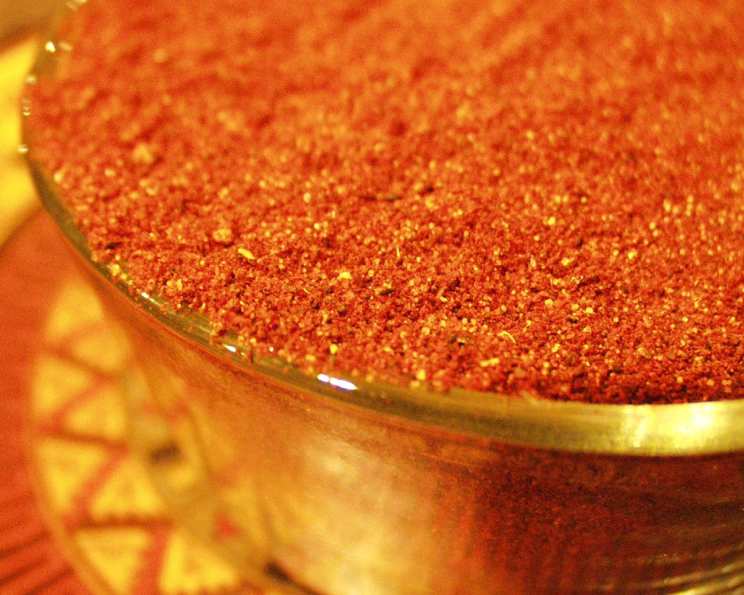
Berbere: The Fiery Heart of Ethiopian Cuisine
The first time I tasted Berbere, I was in a small, family-run restaurant in Addis Ababa. The air hummed with the low murmur of Amharic conversation, the clatter of injera being torn, and the rich aroma of simmering stews. My friend’s mother, a woman with hands that seemed to hold the secrets of centuries, had prepared a complex, deeply flavorful wat. The heat was intense, yes, but it was more than just spice – it was a symphony of flavors that danced on my tongue, a warm, earthy, and slightly sweet complexity that I’d never encountered before. That meal ignited a lifelong fascination with Ethiopian cuisine and the magic of Berbere, the fiery spice blend that is its very soul.
Recipe Overview
- Prep Time: 15 minutes
- Cook Time: 20 minutes
- Total Time: 35 minutes
- Yields: 1 1/2 cups
- Dietary Type: Vegan, Gluten-Free, Dairy-Free
Ingredients
- 1 teaspoon ground ginger
- 1/4 teaspoon cinnamon
- 1/2 teaspoon ground cardamom
- 1/4 teaspoon allspice
- 1/2 teaspoon ground coriander
- 2 tablespoons salt
- 1/2 teaspoon ground fenugreek
- 1 1/4 cups cayenne pepper
- 1/2 teaspoon grated nutmeg
- 1/2 cup paprika
- 1/4 teaspoon ground cloves
- 1 teaspoon fresh ground black pepper
Equipment Needed
- Heavy saucepan
- Wooden spoon or spatula
- Airtight glass jar
Instructions
- Begin by gathering all of your spices. This will ensure a smooth and efficient process.
- Place a heavy saucepan over low heat. This is crucial for gently toasting the spices without burning them.
- Add the following ground spices to the saucepan: ginger, cardamom, coriander, fenugreek, nutmeg, cloves, cinnamon, and allspice.
- Toast these spices together for 4 to 5 minutes, stirring or shaking the pan frequently to prevent burning. The goal is to awaken their aromas and deepen their flavors. The smell will become noticeably fragrant.
- After the initial toasting period, add the salt, cayenne pepper, paprika, and fresh ground black pepper to the saucepan.
- Continue toasting and stirring the entire mixture for an additional 10 to 15 minutes. The color will deepen slightly, and the aroma will become even more complex. Be vigilant to avoid burning; reduce the heat if necessary.
- Remove the saucepan from the heat and allow the Berbere spice blend to cool completely.
- Once cooled, transfer the Berbere to a tightly covered glass jar. This will help preserve its flavor and aroma.
Expert Tips & Tricks
- Spice Quality Matters: Start with the freshest, highest-quality spices you can find. The flavor of your Berbere will only be as good as its ingredients.
- Toast with Care: Toasting the spices is a critical step. It intensifies their flavor and adds depth to the final blend. However, burnt spices will ruin the Berbere, so keep the heat low and stir constantly.
- Adjust the Heat: Cayenne pepper is the primary source of heat in Berbere. Adjust the amount to your preference. For a milder blend, reduce the cayenne and increase the paprika. For a fiery blend, use a hotter variety of cayenne pepper or add a pinch of chili powder.
- Experiment with Additions: While this recipe is a great base, feel free to experiment with other spices like dried garlic, dried onions, or besobela (Ethiopian sacred basil) for a more authentic flavor.
- Make a Large Batch: Berbere keeps well, so consider making a larger batch to have on hand for all your Ethiopian cooking adventures.
Serving & Storage Suggestions
Berbere is incredibly versatile. It’s the foundation of many Ethiopian stews (wats), lentil dishes, and vegetable preparations. It can also be used as a dry rub for meats, poultry, or fish, or sprinkled over roasted vegetables for a kick of flavor.
Store the cooled Berbere in an airtight glass jar in a cool, dark place. Properly stored, it will retain its flavor and potency for 5 to 6 months in the refrigerator. While it technically won’t spoil if stored at room temperature, the flavors will degrade more quickly.
Nutritional Information
| Nutrient | Amount per Serving (approx. 1 tsp) | % Daily Value* |
|---|---|---|
| Calories | 15 kcal | 1% |
| Total Fat | 1 g | 1% |
| Saturated Fat | 0 g | 0% |
| Cholesterol | 0 mg | 0% |
| Sodium | 500 mg | 21% |
| Total Carbohydrate | 3 g | 1% |
| Dietary Fiber | 1 g | 4% |
| Sugars | 0 g | 0% |
| Protein | 0 g | 0% |
*Based on a 2,000 calorie diet.
Variations & Substitutions
- Salt-Free Berbere: Omit the salt entirely or use a low-sodium salt substitute.
- Milder Berbere: Reduce the amount of cayenne pepper and increase the amount of paprika. You can also use a milder variety of cayenne pepper.
- Spicier Berbere: Add a pinch of chili flakes or use a hotter variety of cayenne pepper.
- Herb Infused Berbere: For a more aromatic blend, consider adding dried herbs like thyme or rosemary in very small quantities.
- Vegan Option: This recipe is already vegan!
FAQs (Frequently Asked Questions)
Q: Can I use fresh ginger instead of ground ginger?
A: While you could, ground ginger is preferred for its consistent flavor and texture in the blend. Fresh ginger contains moisture that can affect the shelf life.
Q: What if I burn the spices while toasting?
A: Unfortunately, burnt spices will impart a bitter taste to the entire blend. It’s best to start over with fresh spices.
Q: Can I use this Berbere blend immediately, or does it need to sit?
A: You can use it immediately, but the flavors will meld and deepen over time. Allowing it to sit for a few days (or even a week) will enhance the overall taste.
Q: How do I know if my Berbere has gone bad?
A: The main indicators are a loss of aroma and flavor, or any signs of mold or clumping. If it smells musty or stale, it’s best to discard it.
Q: Can I use this Berbere in dishes other than Ethiopian food?
A: Absolutely! Berbere adds a unique and complex flavor to all sorts of dishes. Try it on roasted vegetables, grilled meats, or even in dips and sauces.
Final Thoughts
Now, armed with this recipe, you’re ready to embark on your own culinary journey into the heart of Ethiopian flavor. Don’t be intimidated by the list of spices – the process is simple, and the rewards are immense. Imagine the aromas filling your kitchen as the spices toast, the anticipation building as you prepare a fragrant wat, and the satisfaction of sharing a truly unique and delicious meal with friends and family. Give it a try, and don’t hesitate to experiment and make it your own. I encourage you to share your creations and experiences – I’d love to hear what you think! Consider serving your Berbere-spiced dishes with a side of traditional injera bread and a cool, refreshing Ethiopian honey wine (tej) for a truly authentic experience. Enjoy the journey!