
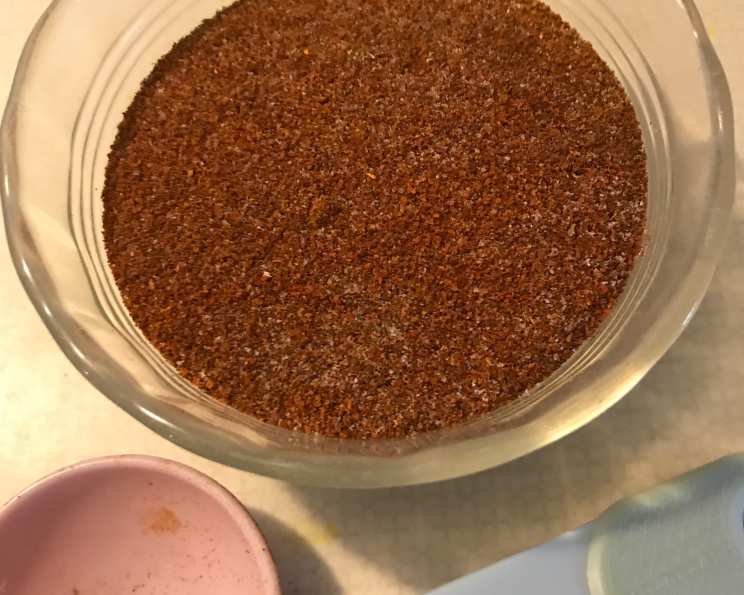
Berbere Spice: The Soul of Ethiopian Cuisine
The first time I tasted Berbere, I was backpacking through the bustling markets of Addis Ababa. The air hung thick with the scent of roasting coffee, frankincense, and something else… something complex, earthy, and undeniably captivating. A street vendor, noticing my wide-eyed curiosity, offered me a taste of his doro wat, chicken stew simmered in a vibrant, brick-red sauce. That single bite was a revelation – a symphony of heat, sweetness, and savory depth that sparked a lifelong love affair with Ethiopian cuisine and, especially, Berbere spice.
Recipe Overview
- Prep Time: 5 minutes
- Cook Time: 0 minutes (Spices are just blended)
- Total Time: 5 minutes
- Yields: Approximately 1/3 cup
- Dietary Type: Vegan, Gluten-Free
Ingredients
- 8 teaspoons pure chile powder (ground dried red hot peppers) or 2 tablespoons cayenne pepper
- 5 teaspoons sweet paprika
- 1 tablespoon salt
- 1 teaspoon ground coriander
- 1/2 teaspoon ground ginger
- 3/8 teaspoon ground cardamom
- 3/8 teaspoon ground fenugreek
- 1/4 teaspoon ground nutmeg
- 1/4 teaspoon ground allspice
- 1/8 teaspoon ground cloves
Equipment Needed
- Measuring spoons
- Small bowl
- Whisk
- Airtight container for storage
Instructions
- In a small bowl, combine the chile powder (or cayenne pepper), sweet paprika, salt, ground coriander, ground ginger, ground cardamom, ground fenugreek, ground nutmeg, ground allspice, and ground cloves.
- Using a whisk, thoroughly mix all the ingredients together until they are evenly distributed. This ensures that each teaspoon of Berbere spice will have a balanced flavor profile.
- Transfer the Berbere spice mix to an airtight container for storage. Store in a cool, dark place to preserve its potency and flavor.
Expert Tips & Tricks
- Toast your spices: For a deeper, more complex flavor, lightly toast whole spices like coriander seeds, cardamom pods, and cloves in a dry pan over medium heat before grinding them. Be careful not to burn them, as this will make them bitter. Allow the spices to cool completely before grinding and combining them with the other ingredients.
- Control the heat: The type of chile powder you use will greatly impact the spiciness of your Berbere. Pure chile powder from dried red hot peppers will be significantly hotter than a milder chile blend. Start with a smaller amount of chile powder and adjust to your preference. If you’re sensitive to heat, opt for sweet paprika or ancho chile powder to add flavor without too much spice.
- Make a large batch: Berbere is a staple in Ethiopian cooking, and it’s always useful to have some on hand. Double or triple the recipe to make a larger batch, and store it in an airtight container for future use.
- Spice Grinding Pro Tip: For the freshest, most potent flavor, grind your own spices. A small coffee grinder dedicated solely to spices works wonders. Just remember to clean it thoroughly after each use to avoid flavor contamination.
Serving & Storage Suggestions
Berbere spice is incredibly versatile and can be used in a variety of dishes.
- Serving Suggestions:
- Use it to season grilled fish, poultry, or meat during cooking. Simply rub the Berbere spice blend onto the surface of the protein before grilling or roasting.
- Sprinkle it on meat or vegetable dishes at the table as a condiment.
- Incorporate it into stews, sauces, and soups for a warm, complex flavor. It’s the heart and soul of Ethiopian doro wat (chicken stew) and misir wat (red lentil stew).
- Mix it with oil and lemon juice to create a vibrant marinade for vegetables.
- Use it as a dry rub for ribs or chicken before smoking.
- Storage: Store your Berbere spice mix in an airtight container in a cool, dark, and dry place. Properly stored, it will maintain its flavor and potency for up to 6 months. While it won’t necessarily “go bad” after that, the flavors will start to fade. Do not store in the refrigerator or freezer, as moisture can damage the spices.
Nutritional Information
Note: Nutritional information is an estimate and may vary based on specific ingredients and serving sizes.
| Nutrient | Amount per Serving (approx. 1 tsp) | % Daily Value |
|---|---|---|
| Calories | 15 kcal | 1% |
| Total Fat | 0.5g | 1% |
| Saturated Fat | 0.1g | 1% |
| Sodium | 380mg | 16% |
| Total Carbohydrate | 2g | 1% |
| Dietary Fiber | 1g | 4% |
| Sugars | 0g | 0% |
| Protein | 0.5g | 1% |
Variations & Substitutions
- Berbere without Fenugreek: Fenugreek has a unique, slightly bitter flavor that some people find off-putting. If you’re not a fan, you can omit it altogether or substitute it with an equal amount of ground cumin.
- Spicier Berbere: For a hotter blend, increase the amount of chile powder or cayenne pepper. You can also add a pinch of ground Scotch bonnet or habanero pepper for an extra kick.
- Milder Berbere: Reduce the amount of chile powder or cayenne pepper. You can also add more sweet paprika to balance the heat.
- Berbere with Ajwain Seeds: Some traditional Berbere recipes include ajwain seeds, which have a flavor similar to thyme. Toast and grind a teaspoon of ajwain seeds and add it to the spice blend for a unique twist.
- Regional Variations: Berbere recipes vary widely by region and even by household in Ethiopia. Some cooks add dried basil, rue, or even sun-dried tomatoes for added depth of flavor. Feel free to experiment and create your own signature blend.
FAQs (Frequently Asked Questions)
Q: What makes Berbere spice so unique?
A: Berbere is a complex blend of spices that includes chile powder, paprika, and a variety of aromatic spices like coriander, ginger, cardamom, and fenugreek. The combination of sweet, savory, and spicy notes creates a uniquely addictive flavor profile.
Q: Can I make Berbere without all the listed spices?
A: While you can omit or substitute certain spices based on your preferences, the core ingredients like chile powder, paprika, and salt are essential for creating the characteristic Berbere flavor.
Q: How can I tell if my Berbere spice has gone bad?
A: Berbere spice doesn’t truly “go bad,” but it will lose its potency over time. If the aroma is faint and the flavor is weak, it’s time to make a fresh batch.
Q: What dishes can I use Berbere spice in besides Ethiopian cuisine?
A: Berbere’s complex flavor profile makes it a versatile addition to many dishes. Try it as a dry rub for grilled meats, a seasoning for roasted vegetables, or a flavor booster for soups and stews.
Q: Can I use Berbere as a marinade?
A: Yes! Combine Berbere with oil, lemon juice, and a touch of garlic to create a vibrant marinade for chicken, lamb, or vegetables.
Final Thoughts
Berbere spice is more than just a seasoning; it’s a culinary journey to the heart of Ethiopia. Don’t be intimidated by the long list of ingredients – each spice plays a vital role in creating the harmonious and complex flavor that makes Berbere so special. I encourage you to try this recipe, experiment with the spice levels and ingredient variations, and discover your own perfect blend. Share your creations with friends and family, and let the vibrant flavors of Ethiopia transport you to a land of rich culture and delicious food. Enjoy, and tena yistillin! (ጤና ይስጥልኝ! – May good health be given to you!)