
The Perfect Baked Potato: A Culinary Classic
I still remember the first time I truly appreciated a baked potato. It wasn’t just any potato; it was at a small-town diner, late at night after a high school football game. The air was filled with the comforting aroma of grilling burgers and sizzling bacon, but the star of my plate was that perfectly crisp-skinned, fluffy-hearted potato, adorned with a generous dollop of butter and a sprinkle of chives. It was simple, yes, but utterly satisfying – a reminder that sometimes, the most humble ingredients, when treated with care, can deliver extraordinary flavor. That experience set me on a lifelong quest to perfect the art of the baked potato, and this recipe is the culmination of that journey.
Recipe Overview
- Prep Time: 5 minutes
- Cook Time: 1 hour
- Total Time: 1 hour 5 minutes
- Servings: 1
- Yield: 1 baked potato
- Dietary Type: Vegan (naturally)
Ingredients
- 1 large russet potato
- Canola oil
- Kosher salt
Equipment Needed
- Oven
- Fork
- Bowl
- Baking sheet (optional)
- Stiff brush
Instructions
-
Preheat your oven to 350°F (175°C) and position the racks in the top and bottom thirds. This ensures even cooking.
-
Wash the potato thoroughly with a stiff brush under cold running water. Removing any dirt or debris is essential for achieving that perfectly crisp skin.
-
Dry the potato completely. Then, using a standard fork, poke 8 to 12 deep holes all over the spud. These holes are crucial, as they allow moisture to escape during cooking, preventing the potato from exploding and contributing to a fluffy interior.
-
Place the potato in a bowl and coat it lightly with canola oil. Don’t overdo it – a thin, even coating is all you need.
-
Sprinkle generously with kosher salt, ensuring the entire surface is covered. The salt not only seasons the skin but also helps to draw out moisture, further enhancing crispness.
-
Place the potato directly on the rack in the middle of the oven.
-
Place a baking sheet (I recommend lining it with a piece of aluminum foil for easy cleanup) on the lower rack to catch any drippings. This will prevent your oven from getting messy.
-
Bake for 1 hour or until the skin feels crisp but the flesh beneath feels soft. A good way to test for doneness is to gently squeeze the potato. It should yield easily to pressure.
-
Serve immediately. Create a dotted line from end to end with your fork, then crack the spud open by squeezing the ends towards one another.
-
It will pop right open, releasing steam. Be careful to avoid the hot steam as it escapes.
Note: If you’re cooking more than 4 potatoes, you’ll need to extend the cooking time by up to 15 minutes. Monitor the potatoes closely and adjust the baking time accordingly.
Expert Tips & Tricks
- The Right Potato Matters: Russet potatoes are the gold standard for baking. Their high starch content results in a fluffy interior and a skin that crisps beautifully.
- Don’t Skip the Forking: Poking those holes isn’t just about preventing explosions; it also allows steam to escape, creating a lighter, fluffier texture.
- Oil and Salt are Key: Coating the potato in oil helps the skin crisp up, while the salt draws out moisture and adds flavor. Don’t be shy with the salt!
- Rack Placement is Important: Placing the potato directly on the oven rack allows for maximum air circulation, resulting in even cooking and a crispier skin.
- Oven Temperature Matters: While this recipe calls for 350°F (175°C), you can adjust the temperature depending on your schedule. A lower temperature (325°F/160°C) will result in a slightly softer skin, while a higher temperature (400°F/200°C) will yield a crispier skin but requires closer monitoring to prevent burning.
- Crispy Skin Secrets: For even crispier skin, after coating the potato in oil and salt, try rubbing it with a bit of cornstarch before baking.
- Flavor Infusion: Before baking, consider rubbing the potato with minced garlic, herbs like rosemary or thyme, or even a touch of smoked paprika for added depth of flavor.
- Don’t overcrowd the oven. For even cooking, leave space around each potato so the hot air can circulate.
Serving & Storage Suggestions
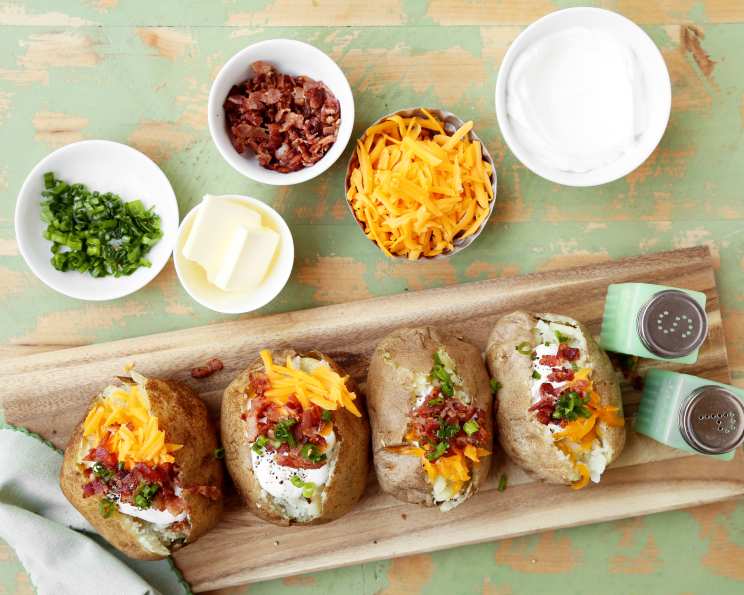
Serve your baked potato immediately for the best flavor and texture. Offer a variety of toppings, such as butter, sour cream (or a vegan alternative), shredded cheese (or a vegan alternative), chives, bacon bits (or vegan bacon bits), chili, or steamed vegetables.
Leftover baked potatoes can be stored in the refrigerator for up to 3 days. To reheat, wrap the potato in aluminum foil and bake in a preheated oven at 350°F (175°C) until heated through. You can also reheat it in the microwave, but the skin may become soggy. Reheating the potato in an air fryer helps maintain a crispy skin.
I do not recommend freezing baked potatoes, as the texture can become mushy upon thawing.
Nutritional Information
| Nutrient | Amount per Serving | % Daily Value |
|---|---|---|
| Calories | 284 kcal | – |
| Calories from Fat | 2 g | 1% |
| Total Fat | 0.3 g | 0% |
| Saturated Fat | 0.1 g | 0% |
| Cholesterol | 0 mg | 0% |
| Sodium | 22.1 mg | 0% |
| Total Carbohydrate | 64.5 g | 21% |
| Dietary Fiber | 8.1 g | 32% |
| Sugars | 2.9 g | – |
| Protein | 7.5 g | 14% |
Note: Nutritional information is an estimate and may vary based on specific ingredients and portion sizes.
Variations & Substitutions
- Sweet Potato: Substitute the russet potato with a sweet potato for a sweeter flavor and a slightly different texture.
- Herb-Infused Oil: Add fresh herbs, such as rosemary or thyme, to the canola oil for a more aromatic and flavorful baked potato.
- Garlic Butter: Top the baked potato with homemade garlic butter for a rich and savory flavor.
- Loaded Baked Potato Soup: Use leftover baked potatoes to make a creamy and comforting loaded baked potato soup.
- Mediterranean Baked Potato: Top your baked potato with Mediterranean ingredients such as crumbled feta cheese (or a vegan alternative), olives, sun-dried tomatoes, and a drizzle of olive oil.
- Spicy Baked Potato: Add a pinch of cayenne pepper or chili powder to the canola oil for a spicy kick.
FAQs (Frequently Asked Questions)
Q: Why do I need to poke holes in the potato before baking?
A: Poking holes allows steam to escape during cooking, preventing the potato from exploding and contributing to a fluffier interior.
Q: Can I use olive oil instead of canola oil?
A: Yes, you can use olive oil, but canola oil has a higher smoke point, making it a better choice for high-temperature baking.
Q: How do I know when the baked potato is done?
A: The potato is done when the skin feels crisp and the flesh beneath feels soft. You can also test for doneness by gently squeezing the potato; it should yield easily to pressure.
Q: Can I bake the potato in aluminum foil?
A: While you can, baking the potato directly on the oven rack results in a crispier skin. Baking in foil traps moisture, leading to a softer skin.
Q: What are some good toppings for baked potatoes?
A: The possibilities are endless! Some popular toppings include butter, sour cream, shredded cheese, chives, bacon bits, chili, steamed vegetables, and salsa.
Final Thoughts
I hope this recipe inspires you to create the perfect baked potato at home. It’s a simple dish, but with a few key techniques, you can elevate it to a culinary masterpiece. Don’t be afraid to experiment with different toppings and variations to find your perfect combination. Share your creations with friends and family, and enjoy the comforting and satisfying experience of a truly delicious baked potato. Let me know in the comments how yours turned out! Pair this delicious baked potato with a grilled steak or a hearty salad for a complete and satisfying meal. Happy cooking!