
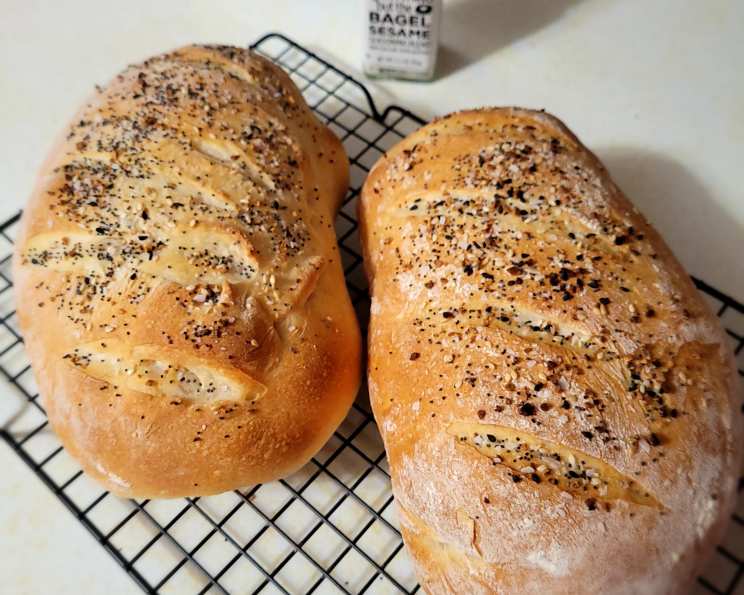
Best Bread Machine Sourdough
The scent of sourdough always brings me back to my childhood summers spent with my grandfather, a baker by trade. He had a special knack for coaxing the most incredible flavors from simple ingredients, and his sourdough was legendary. While I’ve honed my own sourdough skills over the years, sometimes the ease and convenience of a bread machine are simply irresistible. This recipe captures that classic sourdough tang in a wonderfully simple, hands-off way.
Recipe Overview
- Prep Time: 15 minutes
- Cook Time: 58 minutes
- Total Time: 3 hours 15 minutes (including rising times)
- Servings: 10
- Yield: 1 Two Pound Loaf
- Dietary Type: Vegetarian
Ingredients
- 1 cup sourdough starter, active and bubbly
- ¾ cup water, warm (about 110°F)
- 1 tablespoon sugar
- 1 tablespoon active dry yeast (not rapid rise)
- 3 cups bread flour
- 3 tablespoons oil
- 2 teaspoons salt
Equipment Needed
- Bread Machine
Instructions
- Begin by adding the sourdough starter, warm water, sugar, and active dry yeast to the bread machine pan. Gently stir these ingredients together. Yes, this simple step works wonders!
- Allow the mixture to sit for approximately 10 minutes. You should observe the starter beginning to bubble, indicating that the yeast is activating. This is a crucial step for achieving that characteristic sourdough rise.
- Next, add the bread flour. Evenly spread the oil and salt over the top of the flour. This layering technique helps prevent the yeast from directly contacting the salt, which can inhibit its activity.
- Program your bread machine with custom settings. These settings are tailored for the Zojirushi BB-CEC20 model, but you can adapt them for other machines. The sequence is as follows:
- Preheat: 20 minutes (I start the cycle after mixing the first four ingredients, then add the remaining three ingredients after the initial ten-minute rest).
- Knead: 20 minutes.
- Rise 1: 40 minutes.
- Rise 2: 40 minutes.
- Rise 3: OFF.
- Bake: 58 minutes on a Medium or Dark crust setting (I prefer Medium).
- Keep Warm: OFF.
- Keep a close eye on the dough during the first few minutes of the kneading process. If necessary, add small amounts of flour or water to achieve the desired consistency. The dough should be slightly tacky, sticking to your fingers like a strong post-it note. It should also stretch smoothly without tearing when kneading. Remember that sourdough bread dough is typically a bit “gloopier” than regular white bread dough.
- If you don’t already have a sourdough starter, you can find detailed instructions online for making one, or you can purchase a starter online. A healthy, active starter is the key to a successful sourdough loaf.
- Patience is key! As with all sourdough breads, it is essential to allow the loaf to cool completely to room temperature before slicing. Cutting into a warm loaf can cause the insides to clump up and tear, resulting in a gummy texture.
Expert Tips & Tricks
- Starter Health: Ensure your sourdough starter is active and bubbly before starting this recipe. A sluggish starter will result in a dense, under-risen loaf. Feed your starter regularly in the days leading up to baking to boost its activity.
- Dough Hydration: Sourdough hydration levels can vary depending on the flour and environmental conditions. Be prepared to adjust the amount of flour or water during the kneading process to achieve the correct dough consistency.
- Crust Color: If you prefer a darker crust, consider brushing the top of the loaf with an egg wash or milk before baking. This will promote browning and add a subtle sheen.
- Flavor Enhancement: For a more pronounced sourdough tang, try retarding the dough overnight in the refrigerator after the first rise. This slow fermentation process will deepen the flavor.
- Scoring (Optional): If your bread machine allows, you can carefully score the top of the loaf before baking. This allows for expansion during baking and creates a more aesthetically pleasing crust.
Serving & Storage Suggestions
This bread machine sourdough is incredibly versatile and can be enjoyed in numerous ways. Serve it warm with a generous smear of butter or alongside a hearty bowl of soup. It’s also excellent for making sandwiches, toast, or croutons.
To store the loaf, wrap it tightly in plastic wrap or place it in a resealable plastic bag at room temperature. It will stay fresh for 2-3 days. For longer storage, you can freeze the loaf for up to 2 months. Thaw it completely before slicing and serving. To refresh a slightly stale loaf, lightly mist it with water and bake it in a preheated oven at 350°F (175°C) for 5-10 minutes.
Nutritional Information
| Nutrient | Amount per Serving | % Daily Value |
|---|---|---|
| Calories | 181.3 kcal | N/A |
| Calories from Fat | N/A | N/A |
| Total Fat | 4.5 g | 6% |
| Saturated Fat | 0.6 g | 3% |
| Cholesterol | 0 mg | 0% |
| Sodium | 467 mg | 19% |
| Total Carbohydrate | 30.4 g | 10% |
| Dietary Fiber | 1.3 g | 5% |
| Sugars | 1.4 g | N/A |
| Protein | 4.4 g | 8% |
Note: Nutritional information is an estimate and may vary based on specific ingredients and preparation methods.
Variations & Substitutions
- Whole Wheat Sourdough: Substitute up to half of the bread flour with whole wheat flour for a nuttier flavor and increased fiber content.
- Herb and Garlic Sourdough: Add 1-2 tablespoons of chopped fresh herbs (such as rosemary, thyme, or oregano) and 1-2 cloves of minced garlic to the dough during the kneading process.
- Seed Sourdough: Incorporate ¼ – ½ cup of mixed seeds (such as sesame, poppy, sunflower, or flax seeds) into the dough for added texture and nutritional value.
- Rye Sourdough: Replace a portion of the bread flour with rye flour for a distinct flavor profile. Start with a small amount (e.g., ¼ cup) and adjust to taste.
FAQs (Frequently Asked Questions)
Q: My sourdough loaf is dense and doesn’t rise much. What could be the problem?
A: A weak or inactive sourdough starter is the most common cause. Make sure your starter is bubbly and active before using it. Also, ensure your yeast is fresh and hasn’t expired.
Q: Can I use rapid rise yeast instead of active dry yeast?
A: While you can, active dry yeast is recommended for a better rise and more traditional sourdough flavor. Rapid rise yeast may result in a slightly different texture.
Q: My bread machine doesn’t have custom settings. How can I adapt this recipe?
A: Use the closest settings available on your machine. Look for a basic bread cycle with a medium crust setting. You may need to experiment with the timing to achieve the best results.
Q: Why is it important to let the sourdough cool completely before slicing?
A: Cutting into a warm loaf can cause the inside to become gummy and tear. Allowing it to cool allows the crumb to set properly.
Q: Can I add different flours to this recipe?
A: Yes, you can experiment with different types of flour, such as whole wheat or rye. Just be aware that this may affect the texture and rise of the bread. Start by substituting a small amount of the bread flour and adjust the recipe as needed.
Final Thoughts
I hope you’re inspired to give this bread machine sourdough recipe a try! It’s a fantastic way to enjoy the wonderful flavor of sourdough with the convenience of a bread machine. Don’t be afraid to experiment with variations and make it your own. And when that warm, tangy loaf emerges, please share your creations – and your experiences – with fellow bakers! Happy baking!