
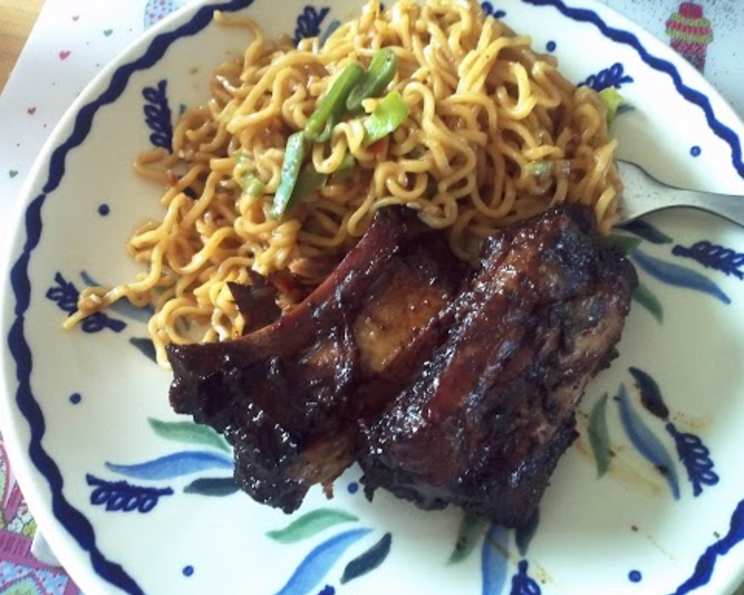
Best Chinese Baby Back Ribs: A Symphony of Sweet and Savory
The scent of ginger and garlic, mingling with the sweet aroma of hoisin and plum sauce, instantly transports me back to my childhood. Every year during the Lunar New Year, my grandmother would meticulously prepare these Chinese baby back ribs. The glistening, mahogany-colored ribs, tender enough to fall off the bone, were always the centerpiece of our celebratory feast. Each bite was a comforting reminder of family, tradition, and the pure joy of sharing a delicious meal together. To this day, the recipe is a treasure and one I am delighted to share with you.
Recipe Overview
- Prep Time: 30 minutes
- Cook Time: 1 hour 15 minutes – 1 hour 30 minutes
- Total Time: 1 hour 45 minutes – 2 hours (plus marinating time)
- Servings: 4-6
- Dietary Type: Varies (see notes on substitutions)
Ingredients
- 1 cup hoisin sauce
- ½ cup plum sauce
- ⅓ cup oyster sauce
- ¼ cup wine vinegar
- ¼ cup honey
- 2 tablespoons dark soy sauce
- 2 tablespoons dry sherry or Chinese rice wine
- 1 tablespoon dark sesame oil
- 1 tablespoon Asian chili sauce
- ½ teaspoon five-spice powder
- 1 tablespoon grated orange zest
- 10 garlic cloves, finely minced
- ¼ cup ginger, finely minced
- ¼ cup green onion, finely minced (green and white parts)
- 2 sides pork baby back ribs (approximately 4 pounds total weight) – Spareribs also work well.
Equipment Needed
- Rectangular dish or baking pan
- Heavy baking sheet with shallow sides
- Heavy-duty aluminum foil
- Wire rack
- Vegetable oil cooking spray
- Small pan (e.g., bread tin or small Pyrex dish)
Instructions
-
Prepare the Sauce: In a medium bowl, combine the hoisin sauce, plum sauce, oyster sauce, wine vinegar, honey, dark soy sauce, dry sherry (or Chinese rice wine), dark sesame oil, Asian chili sauce, five-spice powder, grated orange zest, minced garlic, minced ginger, and minced green onion. Stir well until all ingredients are thoroughly combined. This will make approximately 3 cups of sauce.
-
Remove the Membrane: Place the ribs, meaty side down, on a flat surface. This step is crucial for achieving truly tender ribs. Using your fingernail or a butter knife, loosen a little of the membrane along the end of the last rib bone. Then, grasp the membrane firmly with a paper towel (this will prevent it from slipping). Holding the ribs down with your other hand, pull the membrane away. If it doesn’t pull away in one piece, dislodge any remaining membrane, grip it with a paper towel, and continue pulling.
-
Marinate the Ribs: Place the prepared ribs in a rectangular dish or baking pan. Coat the ribs evenly on both sides with the marinade, reserving some for basting later. (I typically reserve about half of the sauce for basting.) Marinate the ribs, refrigerated, for at least 15 minutes. For a more intense flavor, marinate for up to 8 hours.
-
Preheat the Oven: Preheat your oven to 350°F (175°C).
-
Prepare the Baking Sheet: Line a heavy baking sheet with shallow sides with heavy-duty aluminum foil. Position a wire rack on top of the foil-lined baking sheet. Spray the wire rack liberally on both sides with vegetable oil cooking spray to prevent the ribs from sticking and to make cleanup easier.
-
Add Moisture to the Oven: Place a small pan (such as a bread tin or small Pyrex dish) filled with approximately 2 inches of hot tap water in the bottom of the oven. This will help to keep the ribs from drying out during the roasting process.
-
Position the Ribs: Lay the ribs on the wire rack, meaty side up. Slide the baking sheet holding the wire rack onto the center oven rack. To ensure even cooking and prevent steaming, cook only one baking pan of ribs per oven.
-
Roast the Ribs: Roast the ribs until the meat begins to shrink away from the ends of the bones, about 75 to 90 minutes. Always roast the ribs meaty side up, and never turn them over. Otherwise, the sauce glazing the meaty side of the ribs will be dislodged.
-
Baste (Optional): Baste the meaty side of the ribs with the reserved marinade once or twice during roasting, if desired. This will enhance the glaze and add extra flavor.
-
Rest and Cut: Remove the ribs from the oven. Let them rest for five minutes before cutting each rack into two pieces, in half, or into individual ribs.
Expert Tips & Tricks
- Membrane Removal is Key: Don’t skip the step of removing the membrane from the underside of the ribs. This simple step ensures incredibly tender ribs.
- Don’t Overcrowd the Pan: Cooking one rack of ribs per pan ensures even cooking and prevents steaming. Overcrowding can lead to unevenly cooked ribs.
- Low and Slow is the Way to Go: Roasting at a moderate temperature allows the ribs to become incredibly tender. Resist the urge to crank up the heat.
- Adjust Cooking Time: Cooking times may vary depending on your oven and the thickness of the ribs. Check for doneness by inserting a fork into the meat; it should be very tender.
- Make Ahead: The sauce can be made up to 3 days in advance and stored in the refrigerator. The ribs can also be marinated overnight for a deeper flavor.
Serving & Storage Suggestions
Serve these delectable Chinese baby back ribs hot, straight from the oven. They pair perfectly with steamed rice, stir-fried vegetables, or a refreshing cucumber salad.
Storage: Leftover ribs can be stored in an airtight container in the refrigerator for up to 3 days. For longer storage, freeze the ribs for up to 2 months.
Reheating: Reheat leftover ribs in the oven at 300°F (150°C) until warmed through, or in the microwave on medium power.
Nutritional Information
(Please note that the following is an estimate and can vary based on specific ingredients used.)
| Nutrient | Amount per Serving | % Daily Value |
|---|---|---|
| Calories | 450 kcal | 23% |
| Total Fat | 25g | 38% |
| Saturated Fat | 8g | 40% |
| Cholesterol | 75mg | 25% |
| Sodium | 1200mg | 50% |
| Total Carbohydrate | 30g | 10% |
| Dietary Fiber | 2g | 8% |
| Sugars | 20g | – |
| Protein | 20g | 40% |
Variations & Substitutions
- Gluten-Free: To make this recipe gluten-free, ensure that the hoisin sauce, oyster sauce, and soy sauce are gluten-free. Many brands offer gluten-free alternatives.
- Lower Sodium: Use low-sodium soy sauce to reduce the sodium content. You can also reduce the amount of oyster sauce, as it is naturally high in sodium.
- Spice Level: Adjust the amount of Asian chili sauce to control the spice level. For a milder flavor, omit the chili sauce altogether.
- Sweetness: If you prefer a less sweet sauce, reduce the amount of honey. You can also substitute the honey with maple syrup or agave nectar.
- Vegetarian Option: While this recipe is specifically for ribs, you can adapt the marinade for tofu or tempeh. Marinate and bake or grill until heated through.
FAQs (Frequently Asked Questions)
Q: Can I marinate the ribs for longer than 8 hours?
A: While you can marinate for longer, be mindful that the marinade is acidic and prolonged exposure might slightly alter the texture of the meat. Aim for the 4-8 hour range for optimal flavor and texture.
Q: Can I use a different type of ribs for this recipe?
A: Yes, you can use spareribs or country-style ribs. Keep in mind that spareribs may require a longer cooking time than baby back ribs.
Q: How do I know when the ribs are done?
A: The ribs are done when the meat begins to shrink away from the ends of the bones and the meat is very tender when pierced with a fork.
Q: Can I grill these ribs instead of baking them?
A: Absolutely! Preheat your grill to medium heat and grill the ribs, turning occasionally, until cooked through, about 45-60 minutes. Baste with the reserved marinade during the last 15 minutes of grilling.
Q: Can I freeze the leftover sauce?
A: Yes, you can freeze the leftover sauce in an airtight container for up to 2 months. Thaw completely before using.
Final Thoughts
These Chinese baby back ribs are more than just a recipe; they’re a journey of flavors and a tribute to family traditions. Don’t be intimidated by the list of ingredients – the process is simple, and the results are extraordinary. I encourage you to try this recipe, experiment with the variations, and make it your own. Serve with a crisp, cold Asian beer and enjoy the symphony of sweet and savory flavors. I can’t wait to hear about your experience and any personal touches you add to this beloved dish!