
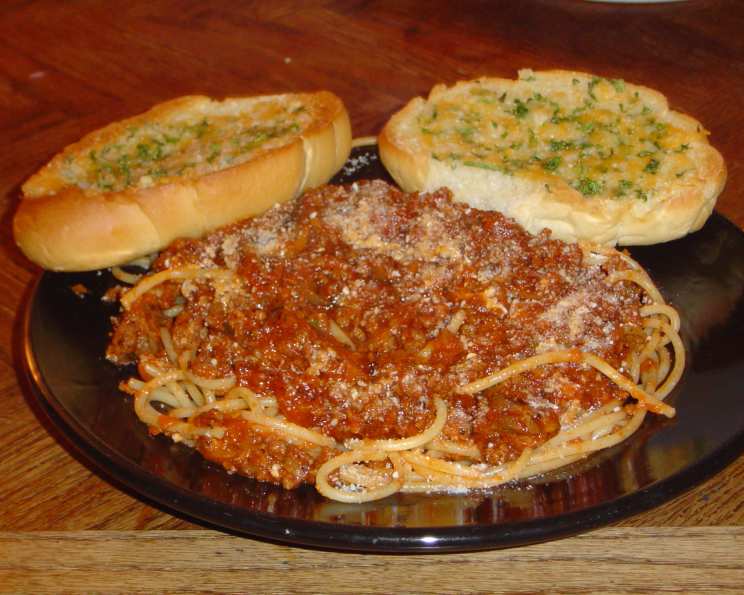
Best Ever Spaghetti Sauce: A Taste of Home
The scent of simmering tomato sauce is more than just a cooking aroma; it’s a time machine. One whiff instantly transports me back to my grandmother’s kitchen, a warm and bustling hub where Sunday dinners were sacred. I remember standing on a wobbly stool, mesmerized as she stirred a massive pot of this very sauce, the bubbling surface a promise of the deliciousness to come. This recipe, adapted from an old favorite, captures that same comforting, nostalgic flavor, and I’m excited to share it with you.
Recipe Overview
- Prep Time: 20 minutes
- Cook Time: 2 hours
- Total Time: 2 hours 20 minutes
- Servings: Varies (Makes approximately 10-12 cups)
- Yield: Enough for several meals
- Dietary Type: Can be Gluten-Free and Dairy-Free
Ingredients
- 1 lb Italian sausage
- ¾ cup finely chopped onion
- 1 (6 ounce) can tomato paste
- 3 (15 ounce) cans tomato sauce
- 1 cup water
- 2 cloves garlic, chopped
- 2 bay leaves
- 1 tablespoon sugar
- 2 teaspoons dried basil
- 1 teaspoon dried oregano
- 2 tablespoons chopped fresh parsley
- 2 teaspoons salt
Equipment Needed
- Large pot or Dutch oven
- Spoon for stirring
- Measuring cups and spoons
- Cutting board
- Knife
- Optional: Crockpot
Instructions
-
Begin by browning the Italian sausage in a large pot or Dutch oven over medium heat. As the sausage cooks, break it up with a spoon into smaller pieces.
-
Add the finely chopped onion to the pot with the sausage. Continue to cook until the sausage is fully browned and the onions are softened and translucent, about 5-7 minutes. Be sure to stir frequently to prevent sticking.
-
Drain any excess grease from the pot. This step is crucial for preventing the sauce from becoming too oily.
-
Stir in the tomato paste, tomato sauce, water, chopped garlic, bay leaves, sugar, dried basil, dried oregano, chopped fresh parsley, and salt.
-
Bring the sauce to a gentle simmer over medium-low heat.
-
Reduce the heat to low, cover the pot partially, and let the sauce simmer for 2 hours, stirring occasionally to prevent sticking and ensure even cooking. The longer the sauce simmers, the richer and more flavorful it will become. The “partially covered” aspect is important to allow steam to escape, thickening the sauce.
-
If using a crockpot, transfer the sauce to the crockpot after step 4. Cook on low for 6-8 hours, or on high for 3-4 hours.
-
Remove the bay leaves before serving or freezing.
Expert Tips & Tricks
- Sausage Selection: For a spicier sauce, use hot Italian sausage. For a milder flavor, use sweet Italian sausage. You can even use a combination of both!
- Browning is Key: Don’t rush the browning of the sausage. This step is essential for developing the deep, savory flavor of the sauce.
- Sweetness Adjustment: The amount of sugar can be adjusted to your liking. Taste the sauce after it has simmered for an hour and add more sugar if needed. The sugar helps to balance the acidity of the tomatoes.
- Herb Power: Fresh herbs, especially basil and oregano, can add a vibrant touch to the sauce. Add them in the last 30 minutes of simmering for the best flavor.
- Veggie Boost: Add finely chopped vegetables like carrots, celery, or bell peppers along with the onion for added flavor and nutrients.
- Thickening the Sauce: If the sauce is too thin after simmering, remove the lid and continue to simmer for another 30 minutes, or until it reaches your desired consistency.
- Blending for Smoothness: For a smoother sauce, use an immersion blender to partially blend the sauce after simmering. Be careful not to over-blend, as this can make the sauce too thin.
- Salt to Taste: Always taste and adjust the salt at the end of cooking.
Serving & Storage Suggestions
This spaghetti sauce is incredibly versatile and can be used in a variety of dishes. Of course, it’s perfect served over your favorite pasta, like spaghetti, linguine, or penne. It also works beautifully in lasagna, manicotti, and baked ziti. For a quick and easy meal, use it as a topping for French bread pizza.
To store leftovers, allow the sauce to cool completely before transferring it to an airtight container. The sauce can be stored in the refrigerator for up to 3-4 days.
For longer storage, the sauce can be frozen for up to 2-3 months. Divide the sauce into freezer-safe containers or zip-top bags before freezing. Be sure to leave some headspace in the containers, as the sauce will expand as it freezes.
To reheat, thaw the sauce in the refrigerator overnight or in the microwave. Heat the sauce in a saucepan over medium heat, stirring occasionally, until heated through. You can also reheat the sauce in the microwave.
Nutritional Information
Note: Nutritional information is an estimate and may vary based on specific ingredients and serving size.
| Nutrient | Amount per Serving | % Daily Value |
|---|---|---|
| Calories | 350 kcal | 18% |
| Total Fat | 20g | 31% |
| Saturated Fat | 8g | 40% |
| Cholesterol | 50mg | 17% |
| Sodium | 1200mg | 50% |
| Total Carbohydrate | 25g | 8% |
| Dietary Fiber | 5g | 20% |
| Sugars | 15g | N/A |
| Protein | 15g | 30% |
Variations & Substitutions
- Vegetarian Option: Omit the Italian sausage for a vegetarian sauce. You can add vegetables like mushrooms, zucchini, or eggplant for added flavor and texture.
- Spicy Sauce: Add a pinch of red pepper flakes or a dash of hot sauce to the sauce for a spicy kick.
- Wine Addition: Add ½ cup of dry red wine to the sauce along with the other ingredients for a richer, more complex flavor.
- Fresh Tomatoes: Use fresh tomatoes instead of canned tomatoes when they are in season. Peel and chop about 6-8 medium tomatoes and add them to the sauce. You may need to adjust the cooking time depending on the water content of the tomatoes.
- Herb Variations: Experiment with different herbs like thyme, rosemary, or marjoram to create unique flavor profiles.
- Meat Lovers: Add other meats such as ground beef, pork, or veal in addition to, or in place of, the sausage.
- Lower Sodium: Use low-sodium tomato sauce and reduce the amount of added salt.
FAQs (Frequently Asked Questions)
Q: Can I use dried parsley instead of fresh parsley?
A: Yes, you can use dried parsley, but fresh parsley will provide a brighter, more vibrant flavor. Use 1 tablespoon of dried parsley in place of 2 tablespoons of fresh parsley.
Q: How can I make this sauce less acidic?
A: Adding sugar helps to balance the acidity of the tomatoes. You can also add a pinch of baking soda to the sauce while it simmers. Be careful not to add too much, as it can affect the flavor.
Q: Can I make this sauce in an Instant Pot?
A: Yes, you can make this sauce in an Instant Pot. Brown the sausage and onion using the sauté function. Then, add the remaining ingredients and cook on high pressure for 20 minutes. Allow the pressure to release naturally for 10 minutes, then quick release any remaining pressure.
Q: How do I prevent the sauce from sticking to the bottom of the pot?
A: Stir the sauce frequently, especially during the first hour of simmering. Using a heavy-bottomed pot or Dutch oven can also help to prevent sticking.
Q: Can I add cream or milk to this sauce?
A: While this recipe is traditionally a tomato-based sauce, you can add a splash of cream or milk at the end of cooking for a richer, creamier texture.
Final Thoughts
I hope you enjoy this recipe for Best Ever Spaghetti Sauce as much as my family and I do. It’s a simple yet satisfying dish that’s perfect for weeknight dinners or special occasions. Don’t be afraid to experiment with different ingredients and flavors to make it your own. Serve it with a side of crusty bread for dipping and a glass of your favorite wine for a complete and comforting meal. I encourage you to gather your loved ones around the table, share a plate of spaghetti, and create lasting memories. Buon appetito!