
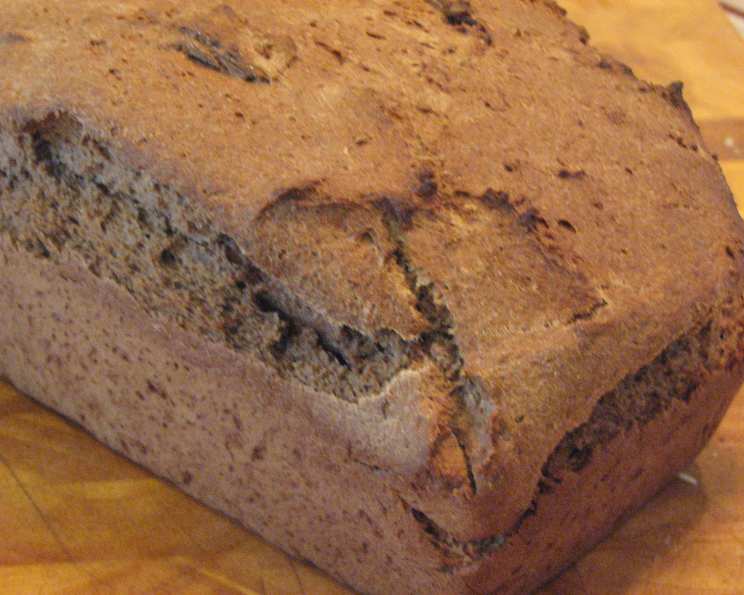
Better Batter Rye Bread: A No-Knead Delight
The aroma of rye bread baking in the oven always transports me back to my grandmother’s cozy kitchen. She wasn’t a fancy baker, but her rye bread was legendary – dense, flavorful, and perfect with a smear of butter or piled high with corned beef. It was the kind of bread that nourished both body and soul, a simple pleasure that made any meal feel like a special occasion. This recipe, while not hers exactly, captures that same hearty, comforting spirit, and, even better, it’s incredibly easy to make.
Recipe Overview
- Prep Time: 20 minutes
- Cook Time: 40-50 minutes
- Total Time: 1 hour 10 minutes
- Servings: 12
- Yield: 1 loaf
- Dietary Type: Vegetarian
Ingredients
- 2 1⁄4 cups hot water (as hot as it will come from your faucet)
- 5 tablespoons butter, cut in pieces and softened
- 2 tablespoons sugar or 2 tablespoons molasses
- 2 teaspoons sea salt
- 1⁄4 teaspoon caraway seed, crushed a bit to release flavor
- 1⁄3 cup dehydrated onion
- 2 tablespoons yeast
- 1⁄4 cup unsweetened baking cocoa
- 2 cups white bread flour
- 2 – 2 1⁄2 cups rye flour
Equipment Needed
- Large mixer bowl
- Mixer with beaters and dough hooks
- Greased loaf pan
Instructions
- In a large mixer bowl, combine the butter, sugar (or molasses), salt, caraway seeds, and dehydrated onion.
- Pour the hot water over the mixture and stir well until the butter is mostly melted.
- Allow the mixture to cool to lukewarm. This is a crucial step, as water that is too hot will kill the yeast. You should be able to comfortably hold your finger in the water for a few seconds.
- Sprinkle the yeast over the lukewarm water mixture and let it sit for a couple of minutes, but no more. The yeast should become a bit foamy, indicating that it’s active.
- In a separate bowl, mix together the white bread flour and the cocoa powder. The cocoa powder doesn’t impart a chocolate flavor; it simply darkens the color of the bread.
- Attach the regular beaters to your mixer. Gradually add the flour mixture to the wet ingredients, mixing on low speed until just combined.
- Increase the mixer speed to medium and beat for about 5 minutes to develop the gluten in the dough. This step is essential for creating a good texture in this batter bread.
- Switch to the dough hooks. Gradually add 2 cups of the rye flour, mixing on low speed.
- The dough should be thick and heavy, but not thick enough to knead. If the dough is too wet and sticky, add a little more rye flour, a tablespoon at a time, until it reaches the desired consistency. Remember, this is a batter bread, so it will be softer and wetter than a typical kneaded dough.
- Spoon the batter into a greased loaf pan.
- Lightly butter your hands to prevent sticking, and gently pat the batter down to evenly distribute it in the pan and fill the corners.
- Bake in a preheated oven at 400 degrees Fahrenheit (200 degrees Celsius) for 40 to 50 minutes.
- To check for doneness, insert a toothpick into the center of the loaf. If it comes out clean or with just a few moist crumbs attached, the bread is done. The top should also be nicely browned.
- Let the bread cool completely in the pan before slicing. This prevents it from becoming gummy and allows the flavors to fully develop.
Expert Tips & Tricks
- For an even darker color and richer flavor, add a tablespoon of instant coffee to the wet ingredients.
- Two teaspoons of dried dill add a lovely herbaceous note to the bread.
- If you’re short on butter, you can substitute plain yogurt for all or part of it. This will also add a subtle tang to the flavor.
- If you don’t have bulk yeast, use 2 tablespoons of active dry yeast.
- For a more intense caraway flavor, toast the caraway seeds in a dry pan over medium heat for a few minutes before crushing them. Be careful not to burn them.
- If your oven tends to brown bread quickly, tent the loaf with foil during the last 15-20 minutes of baking to prevent the top from burning.
Serving & Storage Suggestions
This Better Batter Rye Bread is delicious served warm or at room temperature. It pairs perfectly with:
- Deli meats like corned beef, pastrami, or ham
- Cream cheese, butter, or your favorite spread
- Soups and stews
- A slice of cheese for a simple snack
To store, wrap the cooled bread tightly in plastic wrap or place it in an airtight container. It will keep at room temperature for 2-3 days, in the refrigerator for up to a week, or in the freezer for up to 2 months. To reheat, wrap slices in foil and warm in a preheated oven at 350°F (175°C) for 5-10 minutes, or toast them in a toaster.
Nutritional Information
| Nutrient | Amount per Serving | % Daily Value |
|---|---|---|
| Calories | 200 kcal | N/A |
| Total Fat | 5.6 g | 8% |
| Saturated Fat | 3.3 g | 16% |
| Cholesterol | 12.7 mg | 4% |
| Sodium | 432 mg | 17% |
| Total Carbohydrate | 34 g | 11% |
| Dietary Fiber | 3.5 g | 14% |
| Sugars | 3.2 g | N/A |
| Protein | 4.9 g | 9% |
Note: Nutritional information is an estimate and may vary based on specific ingredients and portion sizes.
Variations & Substitutions
- Gluten-Free Rye Bread: Substitute the white bread flour and rye flour with a gluten-free all-purpose flour blend and add 1 teaspoon of xanthan gum.
- Darker Rye Bread: Increase the amount of cocoa powder to 1/2 cup for a deeper color and more intense flavor.
- Pumpernickel Rye Bread: Add 1/4 cup of molasses instead of sugar and use a coarser rye flour for a more traditional pumpernickel flavor.
- Seed Variations: Add sunflower seeds, pumpkin seeds, or flax seeds to the dough for added texture and nutritional value.
FAQs (Frequently Asked Questions)
Q: Why is my rye bread dense and gummy?
A: Overmixing the dough after adding the rye flour or not letting it cool completely before slicing can cause a dense and gummy texture. Be gentle when mixing the rye flour and allow the bread to cool fully before slicing.
Q: Can I use a different type of yeast?
A: Yes, you can use active dry yeast instead of bulk yeast. Just make sure to proof it in warm water with a pinch of sugar before adding it to the other ingredients.
Q: How do I prevent the bottom of the bread from burning?
A: Place a baking sheet on the rack below the loaf pan to deflect some of the heat.
Q: Can I make this bread without a mixer?
A: While a mixer is recommended for best results, you can make this bread by hand. Be prepared to put in some elbow grease to thoroughly combine the ingredients and develop the dough.
Q: Is it necessary to crush the caraway seeds?
A: Crushing the caraway seeds helps to release their flavor. You can use a mortar and pestle or simply crush them with the back of a spoon.
Final Thoughts
This Better Batter Rye Bread is a surprisingly simple recipe that delivers a truly satisfying loaf. Its ease of preparation makes it perfect for beginner bakers, while its depth of flavor will impress even the most discerning palate. Don’t be afraid to experiment with different variations and additions to make it your own. So, preheat your oven, gather your ingredients, and get ready to enjoy the warm, comforting aroma of homemade rye bread. Share your creations with friends and family, and let them experience the simple pleasure of a truly delicious slice.