
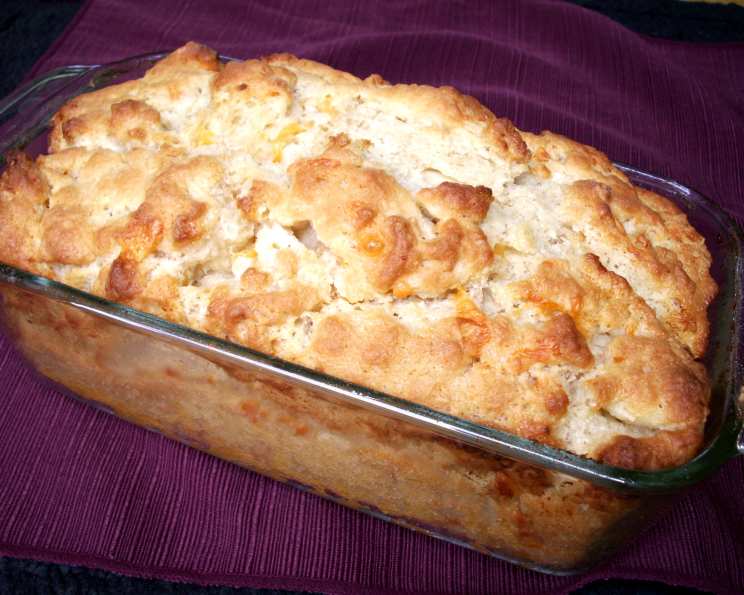
Better Beer Bread: A Chef’s Simple Pleasure
I remember the first time I tasted beer bread. It was at a small-town potluck, and the aroma alone drew me in. A rustic loaf, still warm from the oven, sat nestled among casseroles and salads. One bite, and I was hooked. The slightly tangy, subtly sweet flavor, paired with its wonderfully dense and chewy texture, made an instant classic in my book. Over the years, I’ve honed my own beer bread recipe, and I’m thrilled to share it with you. It’s simple, quick, and endlessly customizable – a testament to the fact that some of the best things in life really are the easiest to create.
Recipe Overview
- Prep Time: 10 minutes
- Cook Time: 45-47 minutes
- Total Time: 55-57 minutes
- Servings: 12
- Yield: 1 loaf
- Dietary Type: Vegetarian (easily adaptable to vegan – see variations)
Ingredients
- 3 cups self-rising flour
- 1/4 cup sugar
- 12 ounces beer, room temperature (lager, ale, or stout work well)
- 1/4 cup salted butter, melted
VARIATION 1
- 1/2 cup sharp cheddar cheese, shredded (optional)
- 1 teaspoon onion flakes (optional)
VARIATION 2
- 1/4 cup Parmesan cheese, grated (optional)
- 1/4 teaspoon ground black pepper (optional)
- 1/4 teaspoon rosemary, ground (optional)
Ingredient Notes:
- For a vegan version, substitute the salted butter with a vegan butter alternative.
- Room temperature beer is essential! Cold beer can affect the rising process.
Equipment Needed
- Loaf pan (glass or metal)
- Large mixing bowl
- Measuring cups and spoons
- Whisk or spatula
- Oven
- Optional: Sheet of foil
Instructions
-
Preheat your oven to 375°F (190°C). While the oven is heating, spray a loaf pan with non-stick cooking spray. I prefer a glass loaf pan, but metal works just as well. The key is to ensure the pan is well-greased to prevent the bread from sticking.
-
In a large mixing bowl, combine the 3 cups of self-rising flour and the 1/4 cup of sugar. If you’re feeling adventurous and want to add a flavor variation, now is the time to incorporate those ingredients. For Variation 1, add the 1/2 cup of shredded sharp cheddar cheese and 1 teaspoon of onion flakes to the flour mixture. For Variation 2, add the 1/4 cup of grated Parmesan cheese, 1/4 teaspoon of ground black pepper, and 1/4 teaspoon of ground rosemary. Whisk all the dry ingredients together until they are evenly distributed.
-
Gradually pour in the 12 ounces of room-temperature beer into the bowl. The trick here is to pour slowly, much like you would when pouring a beer into a glass to minimize the head. This will help prevent the batter from becoming overly foamy, which can impact the final texture of the bread.
-
Gently mix the batter with a whisk or spatula, being careful not to overmix. You only want to mix until everything is just moistened. Don’t worry about getting rid of all the lumps; in fact, it’s best to leave some lumps in the batter. Overmixing will develop the gluten in the flour, resulting in a tough bread. A few lumps are perfectly fine and will contribute to the bread’s delightful rustic texture.
-
Pour the batter into the prepared loaf pan, spreading it evenly.
-
Melt the 1/4 cup of salted butter. Pour the melted butter evenly over the top of the batter in the loaf pan. This butter will create a beautiful, slightly salty crust that adds a wonderful depth of flavor to the bread.
-
Bake in the preheated oven for 45-47 minutes. The top of the bread should be nicely browned, and the melted butter will have created a slightly crispy, golden exterior. To test for doneness, insert a toothpick into the center of the loaf. If it comes out clean or with just a few moist crumbs attached, the bread is ready. If the toothpick comes out with wet batter, continue baking for a few more minutes and check again.
-
Remove the loaf pan from the oven and let the bread cool in the pan for about 10 minutes before transferring it to a wire rack to cool completely. This will prevent the bread from sticking to the pan and allow it to cool evenly.
Tip: Place a sheet of foil under your loaf pan while baking to catch any excess butter that may bubble over. This will save you from having to clean your oven later!
Expert Tips & Tricks
- Beer Selection: The type of beer you use will significantly impact the flavor of the bread. Lighter beers like lagers will result in a milder flavor, while darker beers like stouts will impart a richer, more complex flavor. Experiment with different beers to find your favorite!
- Temperature is Key: Ensure the beer is at room temperature before mixing. Cold beer can inhibit the rising process.
- Don’t Overmix: Overmixing the batter will result in a tough, dense bread. Mix just until the ingredients are moistened.
- Butter Bath: Don’t skimp on the melted butter on top! It creates a delicious, slightly salty crust that is simply irresistible.
- Adding Herbs: Fresh herbs, such as rosemary or thyme, can add a wonderful aromatic element to the bread. Finely chop the herbs and add them to the flour mixture along with any other optional ingredients.
- Cheese Please: Experiment with different types of cheese. Gruyere, pepper jack, or even a blue cheese can add a unique twist to your beer bread.
Serving & Storage Suggestions
Serve your freshly baked beer bread warm, sliced, and with a generous pat of butter. It’s also delicious served alongside soups, stews, or chili. Beer bread makes a great accompaniment to a cheese board or charcuterie platter.
Storage:
- Room Temperature: Store cooled beer bread in an airtight container at room temperature for up to 2 days.
- Refrigerator: For longer storage, wrap the bread tightly in plastic wrap and store it in the refrigerator for up to 5 days.
- Freezer: To freeze beer bread, wrap it tightly in plastic wrap, then place it in a freezer-safe bag or container. It can be frozen for up to 2 months. Thaw overnight in the refrigerator before serving.
Reheating:
To reheat refrigerated or frozen beer bread, wrap it in foil and bake it in a preheated oven at 350°F (175°C) for 10-15 minutes, or until warmed through. You can also reheat individual slices in a toaster oven or microwave.
Nutritional Information
Note: Nutritional information is an estimate and may vary based on specific ingredients and serving size.
| Nutrient | Amount per Serving | % Daily Value |
|---|---|---|
| Calories | 250 kcal | 13% |
| Total Fat | 8g | 12% |
| Saturated Fat | 5g | 25% |
| Cholesterol | 20mg | 7% |
| Sodium | 500mg | 21% |
| Total Carbohydrate | 40g | 15% |
| Dietary Fiber | 2g | 7% |
| Sugars | 5g | – |
| Protein | 6g | 12% |
Variations & Substitutions
- Vegan Beer Bread: Substitute the salted butter with a vegan butter alternative or olive oil.
- Gluten-Free Beer Bread: Use a gluten-free self-rising flour blend. Be sure to follow the package instructions for best results.
- Sweet Beer Bread: Add 1/4 cup of honey or maple syrup to the batter for a sweeter flavor. You can also add dried fruits like cranberries or raisins.
- Spicy Beer Bread: Add 1/4 teaspoon of cayenne pepper or a pinch of red pepper flakes to the flour mixture for a spicy kick.
- Herb & Garlic Beer Bread: Add 1 tablespoon of minced garlic and 1 tablespoon of chopped fresh herbs (such as rosemary, thyme, or oregano) to the flour mixture.
- Seasonal Variations: In the fall, add 1/2 cup of pumpkin puree and 1 teaspoon of pumpkin pie spice to the batter. In the spring, add 1/4 cup of chopped chives and 1/4 cup of crumbled goat cheese.
FAQs (Frequently Asked Questions)
Q: Can I use any type of beer for beer bread?
A: Yes, you can use any type of beer, but the flavor of the beer will affect the flavor of the bread. Lighter beers like lagers will result in a milder flavor, while darker beers like stouts will impart a richer, more complex flavor. Experiment to find your favorite!
Q: Do I have to use self-rising flour?
A: Yes, self-rising flour is essential for this recipe. It contains baking powder and salt, which help the bread rise properly. If you don’t have self-rising flour, you can make your own by combining 1 cup all-purpose flour with 1 1/2 teaspoons baking powder and 1/4 teaspoon salt.
Q: Can I make this recipe without sugar?
A: Yes, you can omit the sugar if you prefer. The bread will be less sweet, but it will still be delicious. You can also substitute the sugar with a sugar alternative like stevia or erythritol.
Q: Why did my beer bread turn out dense and gummy?
A: Overmixing the batter is the most common cause of dense and gummy beer bread. Be sure to mix just until the ingredients are moistened, and don’t worry about getting rid of all the lumps.
Q: How do I prevent the bread from sticking to the loaf pan?
A: Be sure to grease the loaf pan thoroughly with non-stick cooking spray or butter before pouring in the batter. You can also line the pan with parchment paper for extra insurance.
Final Thoughts
Beer bread is truly one of those magical recipes that proves simple ingredients and straightforward techniques can yield extraordinary results. I urge you to try this recipe, experiment with different variations, and make it your own. Don’t be afraid to play with the flavors and ingredients to create a loaf that perfectly suits your taste. Share your creations with friends and family, and watch their faces light up with delight. And don’t forget to let me know how it turns out! Pair a slice of warm beer bread with a hearty bowl of soup or a crisp autumn salad and savor the simple pleasures in life. Happy baking!