
How to Cook Beets: A Culinary Journey
My grandmother, bless her heart, had a garden overflowing with vegetables, but none were quite as mysterious or captivating as the beets. As a child, I remember her pulling them from the earth, their vibrant red staining her hands like magic ink. She’d always hum a little tune as she washed them, transforming them into a simple, earthy side dish that, to this day, evokes memories of warmth, family, and the simple joys of home cooking. The sweet, slightly bitter flavor of those beets, simply prepared, is a taste I’ve chased ever since.
Recipe Overview
- Prep Time: 5 minutes
- Cook Time: 30-60 minutes
- Total Time: 35-65 minutes
- Servings: 2-3
- Yield: Variable, depending on beet size
- Dietary Type: Vegan, Gluten-Free, Dairy-Free
Ingredients
- 3-4 whole beets
- Salt, to taste
- Vinegar, at least 1 teaspoon
Equipment Needed
- Saucepan
- Colander
- Kitchen gloves (optional, but recommended)
- Steamer insert (optional)
- Mechanical food steamer (optional)
Instructions
- If possible, select beets with their stems and greens still attached. Request organic beets with leaves from your grocer or health food store if possible.
- Cut off all but 2 inches of the green stems.
- Save the beet greens, as they are nutritious and can be steamed, sautéed, or shredded in salads.
- Leave the beets whole with 2 inches of stems at the top and root ends at the bottom. This helps prevent the red color from bleeding out during cooking.
- Place the beets in a saucepan and cover with salted water. Add at least 1 teaspoon of vinegar to the water.
- Bring the water to a boil over high heat, then reduce the heat to medium and simmer until the beets are tender. This usually takes 30-45 minutes, depending on the size of the beets. Larger beets may require up to 60 minutes of cooking.
- Drain the beets and run cold water over them to cool them down.
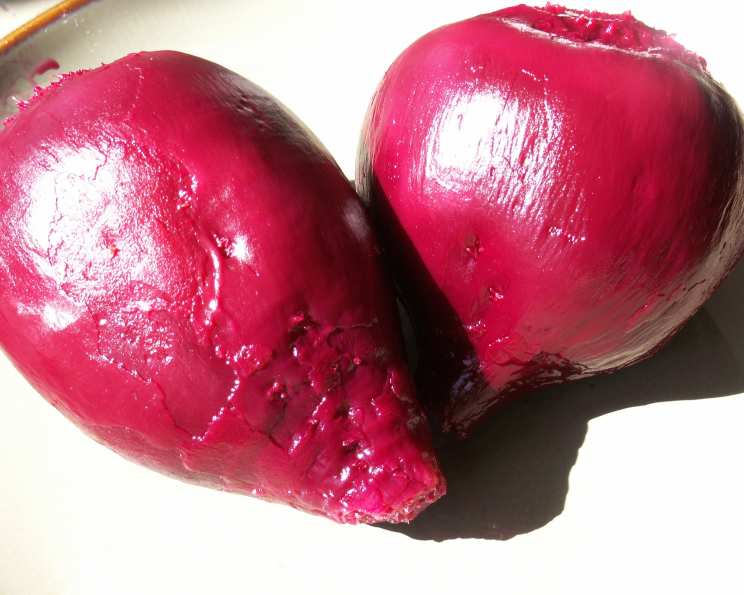
- The skins should now easily slip off. You can use your fingers to gently peel them away. Wearing kitchen gloves is recommended to prevent your hands from staining red. Simply rub the skin to remove easily.
- To serve, you can add melted butter, salt, and pepper. Alternatively, season with fresh basil, savory, caraway seeds, or sprinkle with minced chives or parsley.
Steaming Instructions (Optional):
- For those who prefer steaming, you can use a mechanical food steamer or a steamer insert in a covered pot.
- If using a food steamer, peel and slice the beets for faster cooking, similar to preparing potatoes for steaming.
- If using a steamer insert, leave the beets whole.
- Bring salted water with more vinegar to a boil in the pot.
- Add the steamer insert and beets.
- Cover the pot and steam on medium or medium-low heat until the beets reach your desired tenderness.
- Ensure the water doesn’t evaporate during steaming.
Important Note: Always cook beets whole with stems and roots intact to minimize color bleeding and mess. Peeling or cutting them beforehand is not recommended. The skins will come off easily after cooking.
Expert Tips & Tricks
- Vinegar is your friend: Adding vinegar to the cooking water not only helps to set the color of the beets, but also adds a subtle tang that complements their natural sweetness. Don’t be afraid to experiment with different types of vinegar, such as apple cider vinegar or balsamic vinegar, for a unique flavor profile.
- Don’t discard the greens! Beet greens are incredibly nutritious and versatile. They can be sautéed with garlic and olive oil, added to soups or stews, or even used in salads. Treat them like spinach or chard for delicious results.
- Roasting for intensified flavor: While this recipe focuses on boiling or steaming, consider roasting your beets for a deeper, more concentrated flavor. Wrap them in foil with a drizzle of olive oil and roast at 400°F (200°C) until tender. The roasting process caramelizes the natural sugars in the beets, resulting in a richer, sweeter taste.
- Prevent staining: Beet juice can stain surfaces and clothes easily. When handling raw or cooked beets, use a cutting board that you don’t mind staining, and wear an apron to protect your clothing. Lemon juice or a paste of baking soda and water can help remove stains from your hands.
- Test for doneness: The best way to check if your beets are cooked through is to insert a fork or knife into the thickest part. If it goes in easily with little resistance, they are ready.
Serving & Storage Suggestions
Serve cooked beets warm or chilled, depending on your preference. They are delicious on their own with a simple seasoning of salt, pepper, and butter, or as part of a more elaborate salad. Consider pairing them with goat cheese, walnuts, and a balsamic vinaigrette for a classic combination. Cooked beets can be stored in an airtight container in the refrigerator for up to 5 days. They can also be frozen for longer storage, but the texture may change slightly upon thawing. To reheat, simply microwave, steam, or sauté until warmed through.
Nutritional Information
| Nutrient | Amount per Serving | % Daily Value |
|---|---|---|
| Calories | 33 kcal | N/A |
| Calories from Fat | 1 g | N/A |
| Total Fat | 0.1 g | 0% |
| Saturated Fat | 0 g | 0% |
| Cholesterol | 0 mg | 0% |
| Sodium | 57.8 mg | 2% |
| Total Carbohydrate | 7.5 g | 2% |
| Dietary Fiber | 1.5 g | 6% |
| Sugars | 6 g | N/A |
| Protein | 1.3 g | 2% |
Note: Nutritional information is an estimate and may vary based on specific ingredients and portion sizes.
Daily values are based on a 2,000 calorie diet.
Variations & Substitutions
- Different vinegars: Experiment with different vinegars, such as apple cider vinegar or balsamic vinegar, for varied flavor profiles.
- Herb Infusions: Add fresh herbs like thyme, rosemary, or bay leaf to the cooking water for an aromatic twist.
- Citrus Zest: Grate some lemon or orange zest over the cooked beets for a bright and zesty flavor.
- Spiced Beets: Add a pinch of ground cumin, coriander, or ginger to the cooking water for a warm and spicy flavor.
- Beetroot Carpaccio: Thinly slice cooked beets and arrange them on a plate. Drizzle with olive oil, balsamic glaze, and sprinkle with crumbled goat cheese or feta cheese for a beautiful and flavorful appetizer.
- Pickled Beets: Make a larger batch and pickle them for a tangy and longer-lasting treat.
FAQs (Frequently Asked Questions)
Q: Can I cook beets in the microwave?
A: While it’s possible, microwaving beets can result in uneven cooking. Boiling, steaming, or roasting are generally preferred for better texture and flavor.
Q: How do I know when the beets are cooked through?
A: Insert a fork or knife into the thickest part of the beet. If it goes in easily with little resistance, they are ready.
Q: Why do I need to leave the stems and roots on when cooking?
A: Leaving the stems and roots intact helps to prevent the red color from bleeding out during cooking, resulting in a more vibrant beet.
Q: How can I remove beet stains from my hands?
A: Lemon juice or a paste of baking soda and water can help remove beet stains from your hands. Scrub gently and rinse thoroughly.
Q: Can I freeze cooked beets?
A: Yes, you can freeze cooked beets. However, the texture may change slightly upon thawing. It’s best to freeze them in an airtight container or freezer bag.
Final Thoughts
Cooking beets may seem intimidating at first, but it’s a simple process that yields incredibly delicious results. Whether you boil, steam, or roast them, the sweet, earthy flavor of beets is sure to delight your taste buds. So, gather your ingredients, put on your apron, and embark on a culinary adventure with this humble yet extraordinary vegetable. Don’t hesitate to experiment with different seasonings and serving suggestions to create your own signature beet dish. And most importantly, share your creations with friends and family – they’re sure to appreciate the vibrant color and unique flavor of this culinary gem.