
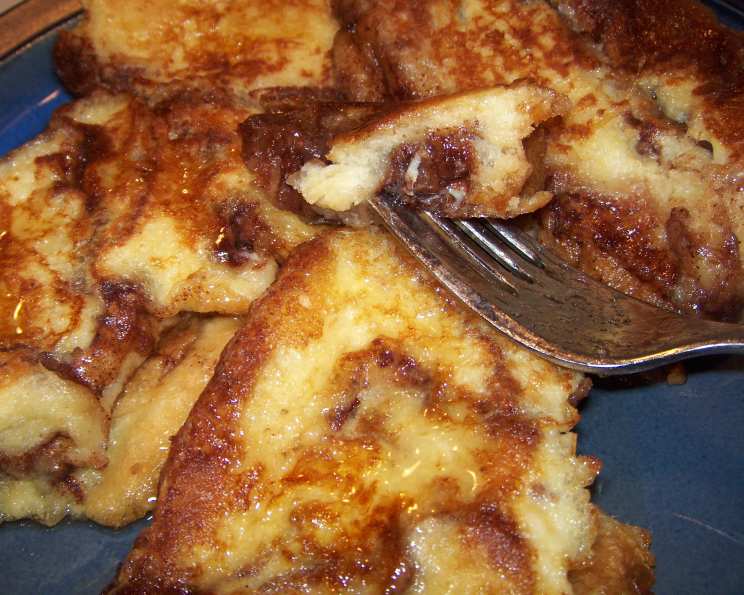
Betty Crocker’s French Toast: A Classic Reimagined
My earliest memory of French toast isn’t from a fancy brunch spot, but from my grandmother’s cozy kitchen. The aroma of butter sizzling in the pan, the gentle hum of her humming along to the radio, and the anticipation of that first bite of warm, eggy bread – it was pure magic. She always used the Betty Crocker cookbook, her copy worn and stained with love. To this day, the simplest version of this French toast recipe brings me right back to that cherished memory, a perfect reminder of the comfort food’s simple pleasures.
Recipe Overview
- Prep Time: 5 minutes
- Cook Time: 5 minutes
- Total Time: 10 minutes
- Servings: 3
- Yield: 6 slices
- Dietary Type: Not Vegetarian
Ingredients
- 2 eggs
- ½ cup milk
- 6 slices white bread
Equipment Needed
- Wide bowl
- Griddle or large skillet
Instructions
- In a wide bowl, thoroughly mix the eggs and milk. Ensure the yolks are fully incorporated for a smooth batter.
- Dip each slice of bread into the egg mixture, making sure both sides are evenly coated. Allow the bread to soak for a few seconds on each side, but be careful not to oversaturate it, which can lead to soggy French toast.
- Brown each slice on both sides on a hot griddle or in a large skillet. Cook until golden brown and cooked through, about 2-3 minutes per side. Adjust the heat as needed to prevent burning. The internal temperature should reach 165°F (74°C).
Expert Tips & Tricks
- Use slightly stale bread: Bread that is a day or two old will soak up the egg mixture better and hold its shape during cooking.
- Don’t overcrowd the pan: Cook the French toast in batches to ensure even browning. Overcrowding the pan will lower the temperature and result in steamed, rather than browned, French toast.
- Add a touch of vanilla: A splash of vanilla extract (about ½ teaspoon) to the egg mixture will enhance the flavor. You can also experiment with other spices like cinnamon or nutmeg.
- Keep it warm: Place cooked French toast on a baking sheet in a warm oven (around 200°F or 93°C) to keep it warm while you finish cooking the rest.
- For extra-crispy French toast: After soaking the bread, dredge it lightly in flour before cooking. This will create a lovely, crispy crust.
Serving & Storage Suggestions
Serve your Betty Crocker French toast immediately while it’s warm and golden brown. Classic toppings include butter, maple syrup, powdered sugar, and fresh fruit like berries or sliced bananas. You can also get creative with toppings like whipped cream, chocolate sauce, or toasted nuts.
Leftover French toast can be stored in an airtight container in the refrigerator for up to 2 days. To reheat, place it in a toaster oven, skillet, or microwave until warmed through. For best results, reheat in a skillet with a little butter to restore its crispy texture. Freezing is also an option! Wrap the French toast individually in plastic wrap and then place them in a freezer bag. It will last for about 2 months. To reheat from frozen, bake in an oven preheated to 350°F (175°C) for 10-15 minutes.
Nutritional Information
| Nutrient | Amount per Serving | % Daily Value |
|---|---|---|
| Calories | 208 kcal | N/A |
| Calories from Fat | 58 kcal | N/A |
| Total Fat | 6.5 g | 9% |
| Saturated Fat | 2.3 g | 11% |
| Cholesterol | 146.7 mg | 48% |
| Sodium | 407.1 mg | 16% |
| Total Carbohydrate | 27.4 g | 9% |
| Dietary Fiber | 1.2 g | 4% |
| Sugars | 2.4 g | N/A |
| Protein | 9.3 g | 18% |
Variations & Substitutions
- Challah or Brioche: Swap the white bread for challah or brioche for a richer, more decadent French toast. These breads are already slightly sweet and buttery, so they’ll elevate the flavor.
- Dairy-Free: Substitute the milk with your favorite non-dairy alternative, such as almond milk, soy milk, or oat milk.
- Gluten-Free: Use gluten-free bread to make this recipe suitable for those with gluten sensitivities. Ensure the bread is sturdy enough to hold its shape when soaked.
- Cinnamon Swirl: Before cooking, spread a thin layer of cinnamon sugar on one side of the soaked bread for a delicious cinnamon swirl effect.
- Orange Zest: Add a teaspoon of orange zest to the egg mixture for a bright, citrusy flavor.
- Savory French Toast: Omit any sweeteners and add herbs and spices like garlic powder, onion powder, dried thyme, or rosemary to the egg mixture. Serve with a fried egg and a side of bacon for a savory twist.
FAQs (Frequently Asked Questions)
Q: Can I make the egg mixture ahead of time?
A: Yes, you can prepare the egg mixture up to 24 hours in advance. Store it in an airtight container in the refrigerator and whisk well before using.
Q: My French toast is soggy. What did I do wrong?
A: Over-soaking the bread or not cooking it at a high enough temperature can result in soggy French toast. Make sure to only soak the bread for a few seconds on each side and cook it over medium heat.
Q: How can I make sure the French toast is cooked through?
A: Cook the French toast until golden brown on both sides and the center is no longer wet. You can also use a thermometer to ensure the internal temperature reaches 165°F (74°C).
Q: Can I use different types of milk?
A: Yes, you can use any type of milk you prefer, including whole milk, skim milk, almond milk, soy milk, or oat milk. The type of milk will affect the richness and flavor of the French toast.
Q: Can I freeze the French toast?
A: Yes, you can freeze cooked French toast. Let it cool completely, then wrap it individually in plastic wrap and place it in a freezer bag. It will last for about 2 months. Reheat in an oven preheated to 350°F (175°C) for 10-15 minutes.
Final Thoughts
Betty Crocker’s French toast recipe is a timeless classic for a reason. It’s simple, versatile, and incredibly satisfying. Whether you stick to the original recipe or experiment with different variations, I hope this dish brings you as much joy as it has brought me over the years. Gather your family, whip up a batch of this golden goodness, and create some delicious memories together. Don’t hesitate to share your creations and variations – happy cooking!