
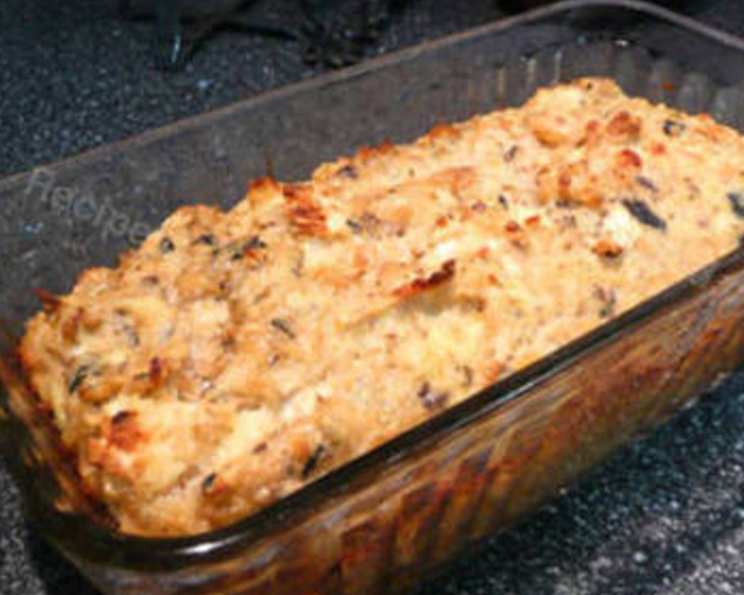
Betty Crocker’s Salmon Loaf: A Retro Comfort Classic
The smell of it still takes me back. It’s Thursday night, circa 1988, and the aroma of warm, savory salmon is wafting from the kitchen. My mom, in her ever-present apron, is pulling Betty Crocker’s Salmon Loaf from the oven. It wasn’t fancy, but it was wholesome, filling, and always made with love. That simple loaf, served with a creamy mushroom sauce, was more than just dinner; it was a comforting ritual, a symbol of family time around the table.
Recipe Overview
- Prep Time: 20 minutes
- Cook Time: 35-45 minutes
- Total Time: 55-65 minutes
- Servings: 6-8
- Dietary Type: Pescatarian
Ingredients
- 2 cups salmon, drained (1 13-ounce can), bones and skin removed
- 2 tablespoons margarine
- 2 tablespoons flour
- 1/2 teaspoon salt
- 1/4 teaspoon black pepper
- 2 cups milk (can use skim milk)
- 2 cups soft white bread cubes
- 2 eggs
- 1 tablespoon lemon juice
- 1 (10-ounce) can condensed mushroom soup
- 1/2 (10-ounce) can water
Equipment Needed
- 9x5x3 inch loaf pan
- Medium saucepan
- Large mixing bowl
- Whisk
- Rubber spatula
Instructions
-
Begin by preparing the salmon. Rinse and drain the canned salmon thoroughly. Carefully pick out any remaining bones or skin. Place the drained salmon in a bowl and let it sit to drain completely. This step is essential to avoid a soggy loaf.
-
Now, prepare the white sauce. In a medium saucepan on the stove, heat the margarine over low heat until melted. Add the flour, salt, and pepper. Stir constantly with a whisk until a smooth paste forms. This is called a roux and is the base for your sauce.
-
Gradually pour in the milk, continuing to whisk constantly to prevent any lumps from forming. Cook over low heat, stirring continuously, until the sauce slightly thickens. The desired consistency should be similar to coffee cream. Remove from heat and set aside.
-
Preheat your oven to 350°F (175°C). Grease a 9x5x3 inch loaf pan generously with margarine or cooking spray. This will prevent the salmon loaf from sticking and make it easier to remove after baking.
-
In a large mixing bowl, beat the eggs until they are light and fluffy. This incorporates air, which will contribute to a lighter texture in the final loaf. Add the lemon juice to the beaten eggs and whisk to combine.
-
In the same bowl, gently toss together the bread cubes and the drained salmon ensuring the salmon is evenly distributed. The bread cubes act as a binder and help absorb excess moisture.
-
Pour the egg mixture over the salmon and bread cube mixture. Toss gently to coat everything evenly. Avoid overmixing, as this can result in a dense loaf.
-
Add the white sauce to the mixture and again, toss gently to combine all ingredients. Make sure the sauce is evenly distributed throughout the salmon mixture.
-
Carefully pour the salmon mixture into the prepared loaf pan. Use a rubber spatula to gently press the mixture down, ensuring it fills the pan firmly and evenly.
-
Bake in the preheated oven at 350°F (175°C) for 35-45 minutes, or until the salmon loaf is golden brown and set. A toothpick inserted into the center should come out clean.
-
While the salmon loaf is baking, prepare the sauce. In a small saucepan, combine the condensed mushroom soup and water. Heat gently over low heat, stirring occasionally, until warmed through.
-
Once the salmon loaf is done, remove it from the oven and let it rest for a few minutes before serving. This allows the loaf to firm up slightly.
-
You can either turn the salmon loaf out of the pan onto a serving platter or serve it directly from the pan.
-
Serve warm with the mushroom soup sauce. Pass the sauce around in a gravy boat or small bowl, allowing each person to pour it over their serving of the salmon loaf.
Expert Tips & Tricks
- Don’t skip the draining step! Excess moisture is the enemy of a good loaf. Ensure the salmon is well-drained to prevent a soggy texture.
- For a richer flavor, use whole milk or even add a tablespoon of heavy cream to the white sauce.
- If you prefer a stronger lemon flavor, add a little lemon zest along with the lemon juice.
- To prevent the top of the loaf from browning too quickly, tent it with aluminum foil during the last 15 minutes of baking.
- For a smoother white sauce, use an immersion blender to blend it after cooking. Be careful as the sauce will be hot.
- If you don’t have bread cubes, you can use crushed saltine crackers or bread crumbs as a substitute.
- Add a sprinkle of paprika on top before baking for extra color and visual appeal.
Serving & Storage Suggestions
Serve the Betty Crocker’s Salmon Loaf warm, sliced, and topped with the creamy mushroom soup sauce. It pairs well with a side of steamed green beans, mashed potatoes, or a simple green salad.
Leftover salmon loaf can be stored in an airtight container in the refrigerator for up to 3 days. To reheat, you can microwave individual slices or warm the entire loaf in a low oven (250°F or 120°C) until heated through.
The salmon loaf can also be frozen for longer storage. Wrap it tightly in plastic wrap and then in aluminum foil. Freeze for up to 2 months. Thaw in the refrigerator overnight before reheating. The texture may be slightly different after freezing, but it will still be delicious.
Nutritional Information
| Nutrient | Amount per Serving | % Daily Value |
|---|---|---|
| Calories | 320 kcal | 16% |
| Total Fat | 18g | 28% |
| Saturated Fat | 7g | 35% |
| Cholesterol | 120mg | 40% |
| Sodium | 900mg | 38% |
| Carbohydrates | 16g | 5% |
| Fiber | 1g | 4% |
| Sugar | 3g | 6% |
| Protein | 20g | 40% |
Note: Nutritional information is an estimate and may vary based on specific ingredients used.
Variations & Substitutions
- Tuna Loaf: Substitute the salmon with an equal amount of drained canned tuna.
- Spicy Loaf: Add a pinch of red pepper flakes or a dash of hot sauce to the salmon mixture for a bit of heat.
- Herb Loaf: Stir in some fresh, chopped dill, parsley, or chives to the salmon mixture for added flavor.
- Vegetable Loaf: Add some finely chopped onion, celery, or bell pepper to the salmon mixture for added texture and nutrients.
- Gluten-Free: Use gluten-free bread crumbs or crushed gluten-free crackers instead of bread cubes. Ensure the flour used in the white sauce is a gluten-free blend.
- Dairy-Free: Substitute the margarine with a plant-based butter alternative and the milk with unsweetened almond milk or soy milk. Use a dairy-free mushroom soup.
FAQs (Frequently Asked Questions)
Q: Can I make this ahead of time?
A: Yes! You can assemble the salmon loaf ahead of time, cover it tightly, and store it in the refrigerator for up to 24 hours before baking. Add a few extra minutes to the baking time to ensure it is fully cooked.
Q: Can I use fresh salmon instead of canned?
A: Absolutely! Cooked and flaked fresh salmon can be used in place of the canned variety. Just make sure to remove all the bones and skin before adding it to the mixture.
Q: What if I don’t have a loaf pan?
A: You can use a similarly sized baking dish, such as an 8×8 inch square pan. Keep an eye on the baking time as it may need to be adjusted slightly.
Q: Can I use a different kind of soup for the sauce?
A: While condensed mushroom soup is traditional, you can experiment with other creamy soups like cream of celery or cream of chicken (if not vegetarian).
Q: How do I prevent the salmon loaf from being dry?
A: Make sure not to overbake the loaf. It’s done when a toothpick inserted into the center comes out clean. Also, ensure the white sauce is the right consistency – not too thick, not too thin.
Final Thoughts
Betty Crocker’s Salmon Loaf isn’t just a recipe; it’s a memory, a connection to simpler times, and a reminder that comfort food doesn’t need to be complicated to be delicious. Whether you’re looking to recreate a childhood favorite or simply seeking a hearty and flavorful meal, this recipe is sure to please. So, gather your ingredients, preheat your oven, and prepare to create a loaf of love that will warm both your heart and your stomach. Don’t be afraid to put your own spin on it, and I encourage you to share your variations and feedback—happy cooking!