
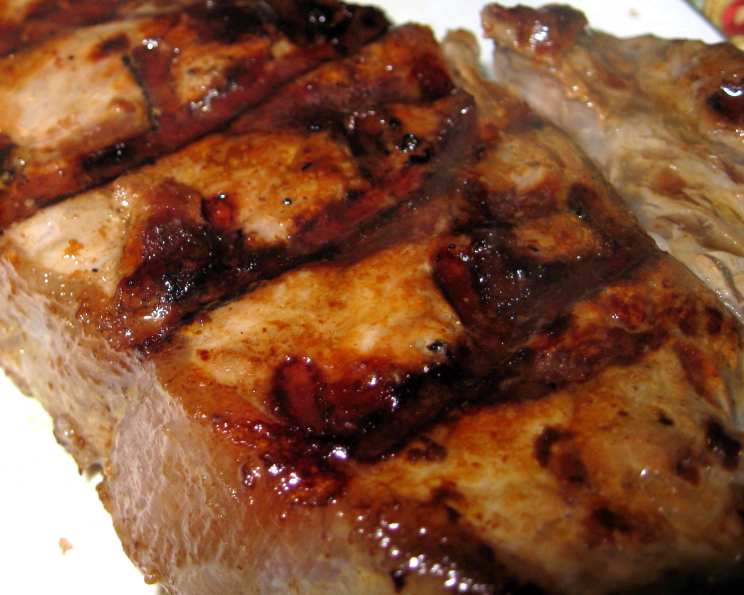
Bife De Chorizo: Mastering the Argentinean NY Strip
The scent of wood smoke, the sizzle of fat hitting hot metal, the murmur of conversation punctuated by laughter—these are the sounds and smells of an Argentine asado. And at the heart of it all, almost invariably, is the bife de chorizo. I remember my first taste in Buenos Aires, a perfectly grilled steak, simply seasoned, yet bursting with flavor. It was more than just a meal; it was a celebration of simple, high-quality ingredients, skillful cooking, and the joy of sharing good food with good company. It’s an experience I’ve strived to recreate ever since, and with this recipe, you can bring a taste of Argentina to your own table.
Recipe Overview
Here’s a quick look at what you can expect:
- Prep Time: 5 minutes
- Cook Time: 30-35 minutes
- Total Time: 35-40 minutes
- Servings: 4
- Dietary Type: Gluten-Free, Dairy-Free
Ingredients
- 2 lbs NY Strip Steaks (4 nice thick steaks)
- Sea Salt, to taste
Equipment Needed
- Grill (wood, charcoal, or gas) or grill pan
- Meat thermometer
Instructions
-
Generously season both sides of the NY strip steaks with sea salt. Don’t be shy – this is your main flavoring! Allow the steaks to sit at room temperature for about 20 to 30 minutes. This allows the salt to penetrate and helps the steak cook more evenly.
-
While the steaks are resting, prepare your grill. Traditionally, an asado is cooked over wood embers, which imparts a unique smoky flavor. However, charcoal or a gas grill can also be used. If using charcoal, wait until the coals are covered with a light gray ash, indicating they are at the correct temperature. For a gas grill, preheat to medium-high heat. You can even cook indoors using a grill pan on your stovetop.
-
This cut of steak lends itself well to two different cooking methods, depending on your preference for doneness and texture. For a medium-well steak with a darker, crunchy exterior, use indirect heat. This involves placing the steaks away from the hottest part of the grill, allowing them to cook more slowly. For a medium-rare steak with nice grill marks, use direct heat.
-
For indirect heat (medium-well): Place the steaks on the cooler side of the grill. Cook, turning occasionally, until the internal temperature reaches your desired doneness.
-
For direct heat (medium-rare): Place the steaks directly over the heat source. Cook for approximately 4-5 minutes per side, creating those beautiful grill marks.
-
Use a meat thermometer to accurately gauge doneness. Insert the thermometer into the thickest part of the steak, avoiding bone. For medium-rare, aim for an internal temperature of 120°F. Remember that the steak will continue to cook slightly after being removed from the grill (carryover cooking), so it’s best to take it off the heat a few degrees before reaching your target temperature.
-
Once the steaks have reached your desired internal temperature, remove them from the grill and let them rest for at least 10 minutes before slicing. This allows the juices to redistribute throughout the steak, resulting in a more tender and flavorful final product. Tent loosely with foil if desired to keep warm.
-
Slice against the grain to maximize tenderness. Serve immediately.
Expert Tips & Tricks
-
Salting is Key: Don’t underestimate the importance of salting properly. The salt not only seasons the steak but also helps to draw out moisture, creating a better sear.
-
Room Temperature Matters: Allowing the steak to come to room temperature before cooking ensures more even cooking throughout.
-
High Heat for Sear: If you’re using direct heat, make sure your grill is hot enough to create a good sear. This helps to develop a flavorful crust on the outside of the steak.
-
Resting is Essential: Don’t skip the resting period! This allows the juices to redistribute, resulting in a more tender and flavorful steak.
-
Don’t Overcrowd: If cooking multiple steaks, avoid overcrowding the grill. This can lower the temperature and prevent proper searing.
-
Wood Choice: If using a wood grill, experiment with different types of wood to find your favorite flavor. Fruit woods like apple or cherry can add a subtle sweetness, while hardwoods like oak or hickory provide a more robust, smoky flavor.
Serving & Storage Suggestions
Serve the bife de chorizo immediately after slicing. It pairs perfectly with chimichurri (as mentioned in the original note), a simple salad of lettuce, tomato, and onion with a light vinaigrette, grilled vegetables, or roasted potatoes.
Leftover steak can be stored in an airtight container in the refrigerator for up to 3 days. To reheat, gently warm it in a skillet over medium-low heat or in a low oven (around 250°F) to prevent it from drying out. You can also use leftover steak in sandwiches, salads, or stir-fries.
Nutritional Information
Note: Nutritional information is an estimate and may vary based on specific ingredients and portion sizes.
| Nutrient | Amount per Serving | % Daily Value |
|---|---|---|
| Calories | 730 kcal | 37% |
| Total Fat | 57g | 87% |
| Saturated Fat | 22g | 110% |
| Cholesterol | 154mg | 51% |
| Sodium | 154mg | 7% |
| Total Carbohydrate | 0g | 0% |
| Dietary Fiber | 0g | 0% |
| Sugars | 0g | 0% |
| Protein | 52g | 104% |
Variations & Substitutions
- Spice it Up: Add a pinch of smoked paprika or chili powder to the salt for a touch of heat.
- Herb Infusion: Before grilling, rub the steaks with fresh herbs like rosemary or thyme for added flavor.
- Marinated Bife: Marinate the steaks for a few hours before grilling in a mixture of olive oil, garlic, lemon juice, and herbs.
- Butter Basted: During the last few minutes of grilling, baste the steaks with melted butter infused with garlic and herbs.
FAQs (Frequently Asked Questions)
Q: Why is it called bife de chorizo if it’s not sausage?
A: The name likely comes from the shape of the cut, which is somewhat similar to a sausage, although it’s a steak from the NY strip.
Q: Can I cook this steak in a cast iron pan?
A: Absolutely! Heat the cast iron pan until smoking hot, then sear the steak on all sides. Finish cooking in the oven until it reaches your desired internal temperature.
Q: How do I know when the grill is hot enough?
A: For charcoal, the coals should be covered with a light gray ash. For gas, a medium-high heat is usually sufficient. You should be able to hold your hand about 5 inches above the grates for only a few seconds.
Q: What is the best way to check the doneness of the steak?
A: A meat thermometer is the most accurate way. Insert it into the thickest part of the steak, avoiding bone.
Q: Can I use a different cut of steak?
A: While bife de chorizo specifically refers to the NY strip, you can adapt this recipe for other cuts like ribeye or sirloin, adjusting cooking times as needed.
Final Thoughts
There’s something truly special about the simplicity and authenticity of Argentine cuisine. The bife de chorizo is a perfect example of how high-quality ingredients, skillful cooking, and a touch of passion can come together to create an unforgettable culinary experience. I encourage you to try this recipe and bring a taste of the Argentine asado to your own home. Don’t be afraid to experiment with different seasonings and techniques to find what works best for you. And most importantly, enjoy the process of cooking and sharing good food with the people you love. Let me know how it turns out, and what sides you enjoyed with your steak!