
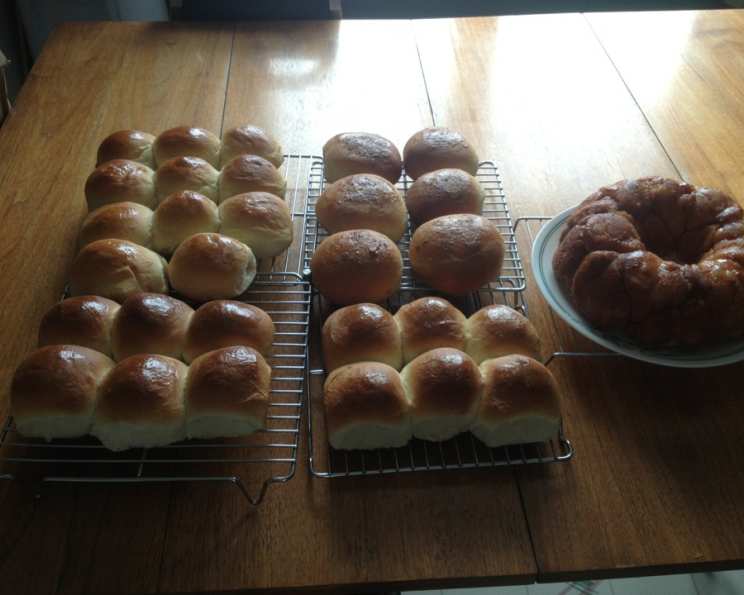
Big Batch Buns: A Baker’s Dream Recipe
The aroma still wafts through my memories – a sweet, yeasty perfume that meant a day of pure, unadulterated baking bliss. My grandmother, with her flour-dusted apron and an endless supply of patience, would preside over a mountain of dough made from a recipe very much like this one. We’d transform that single, glorious dough into a symphony of treats: crusty bread loaves, pillowy soft dinner rolls, even sweet, swirly cinnamon rolls sticky with icing. It wasn’t just about the food; it was about the laughter, the shared stories, and the magic of creating something wonderful together.
Recipe Overview
- Prep Time: Variable (depending on use)
- Cook Time: 25-30 minutes
- Total Time: Variable (depending on use and rise time)
- Servings: Variable (depending on use)
- Yield: Large Batch
- Dietary Type: Vegetarian (can be made vegan with substitutions)
Ingredients
- 1 3⁄4 cups water, very warm
- 1 tablespoon sugar
- 1⁄4 cup dry yeast
- 3⁄4 cup sugar
- 1 1⁄3 cups dry milk (can substitute with non-dairy milk powder for a vegan option)
- 1⁄8 cup salt
- 1 cup salad oil (vegetable oil or canola oil work well)
- 2 cups flour
- 2 1⁄2 cups hot water
- Approximately 8 cups (or more) flour, as needed
Equipment Needed
- Large Mixing Bowl
- Measuring Cups and Spoons
- Stand Mixer (optional, but recommended for kneading)
- Baking Sheets
- Cooling Rack
Instructions
- In a large container or the bowl of your stand mixer, combine the 1 3⁄4 cups of very warm water, 1 tablespoon of sugar, and 1⁄4 cup of dry yeast. Let this mixture sit for about 5-10 minutes, or until the yeast is foamy and activated. This step is crucial for ensuring your dough rises properly.
- In a separate bowl, whisk together the 3⁄4 cup sugar, 1 1⁄3 cups dry milk, 1⁄8 cup salt, 1 cup salad oil, 2 cups flour, and 2 1⁄2 cups hot water. Mix well to create a smooth batter.
- Pour the batter mixture into the bowl with the yeast mixture. If using a stand mixer, attach the dough hook.
- Begin adding the remaining flour (approximately 8 cups or more) gradually, about 1 cup at a time. Mix on low speed (or stir by hand) until a dough forms that is no longer sticky. The amount of flour needed can vary depending on humidity and the type of flour used, so add it slowly and adjust as needed. The dough should be soft and pliable, but not stick to your hands.
- Knead the dough for about 15 minutes until it becomes smooth and elastic. If using a stand mixer, knead on medium speed with the dough hook. If kneading by hand, turn the dough out onto a lightly floured surface and knead vigorously, pushing, folding, and turning the dough.
- Place the kneaded dough in a very large, lightly oiled bowl. Turn the dough to coat it with oil. This will prevent it from drying out during rising.
- Cover the bowl with a clean kitchen towel or plastic wrap. Place the bowl in a warm, draft-free area to rise. A slightly warm oven (turned off!) or a sunny spot in your kitchen works well. Let the dough rise until it has doubled in size. This can take anywhere from 1 to 2 hours, depending on the temperature.
- Once the dough has doubled, punch it down to release the air. Turn the dough out onto a lightly floured surface.
- Now comes the fun part! Divide the dough into portions according to what you plan to make. For example, if you’re making dinner rolls, divide the dough into small, equal-sized pieces. If you’re making cinnamon rolls, roll out the dough into a large rectangle. For bread, divide it into loaf-sized portions.
- Shape the dough according to your desired end product. Place the shaped dough on baking sheets lined with parchment paper.
- Bake in a preheated oven at 350°F (175°C) for 25-30 minutes, or until golden brown. The baking time will vary depending on the size and shape of your baked goods. For bread loaves, you may need to bake for up to 45 minutes.
- Remove from the oven and let cool on a wire rack before serving.
Expert Tips & Tricks
- Yeast Activation: Always check the expiration date of your yeast. If you’re unsure whether it’s still active, proof it with a little sugar and warm water before adding it to the rest of the ingredients. If it doesn’t foam, it’s time for new yeast.
- Kneading is Key: Don’t skimp on the kneading time! Properly kneaded dough will result in a lighter, more tender final product. The dough should feel smooth and elastic.
- Warmth is Your Friend: A warm environment encourages the yeast to work its magic and helps the dough rise properly.
- Adjusting for Humidity: The amount of flour needed can vary depending on the humidity in your kitchen. Add flour gradually until the dough reaches the desired consistency.
- Freezing for Later: This dough freezes beautifully. After the first rise, punch down the dough, divide it into portions, wrap tightly in plastic wrap, and freeze for up to 2 months. Thaw overnight in the refrigerator before using.
Serving & Storage Suggestions
Serve your freshly baked goods warm from the oven for the best flavor and texture. Breads and rolls are delicious with butter, jam, or your favorite spread. Cinnamon rolls are best enjoyed with a generous coating of cream cheese frosting.
Store leftover bread, rolls, or cinnamon rolls in an airtight container at room temperature for up to 2-3 days. For longer storage, freeze them. To reheat frozen bread or rolls, wrap them in foil and warm them in a 350°F (175°C) oven for 10-15 minutes, or until heated through. You can also microwave them for a shorter amount of time, but the texture may not be as good.
Nutritional Information
| Nutrient | Amount per Serving (estimated) | % Daily Value |
|---|---|---|
| Calories | 250 kcal | 13% |
| Total Fat | 10g | 15% |
| Saturated Fat | 2g | 10% |
| Cholesterol | 5mg | 2% |
| Sodium | 300mg | 13% |
| Total Carbohydrate | 35g | 12% |
| Dietary Fiber | 1g | 4% |
| Sugars | 8g | |
| Protein | 5g | 10% |
Note: Nutritional information is an estimate and may vary depending on specific ingredients and portion sizes.
Variations & Substitutions
- Vegan Buns: Substitute the dry milk with a non-dairy milk powder (like soy or almond milk powder). Ensure any additions, like fillings or toppings, are also vegan-friendly.
- Whole Wheat Buns: Replace up to half of the all-purpose flour with whole wheat flour for a nuttier flavor and added fiber. You may need to add a bit more water to compensate for the extra absorption of the whole wheat flour.
- Sweet Buns: Add spices like cinnamon, nutmeg, or cardamom to the dough for a fragrant and flavorful sweet bun.
- Savory Buns: Incorporate herbs like rosemary, thyme, or garlic powder into the dough for a savory twist. Top with cheese or everything bagel seasoning before baking.
- Cinnamon Rolls: After the first rise, roll out the dough into a large rectangle. Spread with melted butter, sprinkle with cinnamon and sugar, and roll up tightly. Slice into individual rolls and bake as directed.
- Bread Sticks: Divide the dough into small pieces and roll them out into long, thin strips. Brush with olive oil, sprinkle with salt and herbs, and bake until golden brown.
- Coffee Cake: Roll small balls of dough in melted butter, then coat with cinnamon and sugar. Place them in a bundt pan and bake until golden brown for a delicious coffee cake.
FAQs (Frequently Asked Questions)
Q: Can I use active dry yeast instead of instant yeast?
A: Yes, you can. Use the same amount, but you may need to let the yeast activate for a slightly longer time (10-15 minutes) before adding the other ingredients.
Q: What if my dough doesn’t rise?
A: Several factors can prevent dough from rising, including using expired yeast, the water being too hot or too cold, or the environment being too cold. Make sure your yeast is fresh, your water is warm (but not scalding), and your rising area is warm and draft-free.
Q: Can I make the dough ahead of time and bake it later?
A: Yes, you can! After kneading, place the dough in a lightly oiled bowl, cover it, and refrigerate it for up to 24 hours. When you’re ready to bake, remove the dough from the refrigerator and let it come to room temperature for about 30 minutes before shaping and baking.
Q: How do I know when the buns are done baking?
A: The buns are done when they are golden brown and sound hollow when tapped on the bottom. You can also use a thermometer to check the internal temperature; it should be around 200-210°F (93-99°C).
Q: Can I freeze the baked buns?
A: Yes, you can freeze baked buns. Let them cool completely before wrapping them tightly in plastic wrap and placing them in a freezer bag. They can be stored in the freezer for up to 2-3 months.
Final Thoughts
This Big Batch Buns recipe is more than just a recipe; it’s an invitation to create memories, to experiment, and to fill your home with the irresistible aroma of freshly baked goods. Don’t be afraid to get creative and adapt the recipe to suit your own tastes and preferences. Whether you’re making simple dinner rolls, decadent cinnamon rolls, or a loaf of crusty bread, I hope this recipe brings you as much joy as it has brought me over the years. Now, go ahead, preheat that oven, and let the baking begin! Share your creations and experiences – I’d love to hear about your baking adventures. And if you’re feeling fancy, pair a warm roll with a steaming cup of coffee or a bowl of hearty soup for the ultimate comfort meal.