
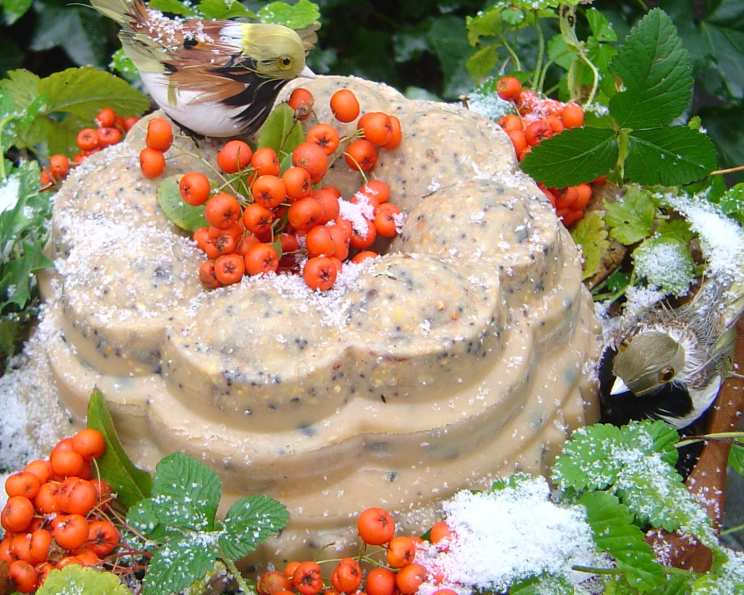
Bird Cakes: A Backyard Bistro for Feathered Friends
My grandmother, bless her green thumb and generous heart, always said the best gardens were the ones that catered to all living things. And so, nestled amongst her roses and rambling hydrangeas, she’d always have a dedicated spot for our feathered friends. I remember as a child, perched on her knee, watching a flurry of wings descend upon these little homemade “bird cakes.” The memory of that simple joy, the vibrant colors of the birds against the backdrop of blooms, and the quiet satisfaction of nurturing nature, is what I try to bring to my own backyard today.
Recipe Overview
- Prep Time: 15 minutes
- Cook Time: None
- Total Time: Varies depending on setting time
- Servings: Varies depending on mold size
- Yield: Varies depending on mold size
- Dietary Type: High-Fat, Pet-Friendly
Ingredients
- 2 lbs lard or 2 lbs suet
- 3 cups bird seed (Winter mix is recommended)
- 2 cups peanut butter
- 1 cup cornmeal (Millet, quinoa, or semolina can be substituted)
- 1 cup oats
- 1/2 cup all-purpose flour
- 1 cup currants (or other dried fruits)
- 1 cup cracked corn (optional)
Equipment Needed
- Large Pan
- Flexible molds or muffin pans lined with paper cups (various sizes)
- Spoon or Spatula
Instructions
- In a large pan, begin to melt the lard or suet. Use low heat to prevent burning.
- Once the fat is almost completely melted, remove the pan from the heat. It is important to take it off the heat before it is completely liquid, as residual heat will finish the melting process, preventing scorching.
- Add the remaining ingredients: the bird seed, peanut butter, cornmeal, oats, all-purpose flour, currants (or other dried fruits), and optional cracked corn.
- Thoroughly mix all the ingredients together until they are evenly distributed and well combined with the melted fat.
- Allow the mixture to cool slightly. This step is crucial, as it prevents the seeds from sinking to the bottom of the molds. The mixture should be cool enough to handle without burning yourself, but still pliable.
- Fill your molds with the bird cake mixture. Pack it firmly into the molds to ensure a solid cake. You can use flexible molds, or muffin tins lined with paper cups for easy removal.
- Cool the filled molds until the bird cakes are completely set and firm. This may take several hours at room temperature, or you can speed up the process by refrigerating them.
- Once set, carefully un-mold the bird cakes. If using flexible molds, they should pop out easily. If using rigid molds or muffin tins, you may need to immerse the molds in hot water for several seconds to loosen the cakes before inverting them.
- Hang the cakes in a safe place away from other animals using netting or other suitable material. A tree branch is often an ideal location.
Expert Tips & Tricks
- Fat Choice Matters: While lard and suet are traditional choices, consider using refined coconut oil for a vegetarian option. Be sure to check that your choice of fat is bird-safe.
- Prevent Seed Sink: Allowing the mixture to cool slightly before molding prevents the seeds from sinking to the bottom. Stir occasionally as it cools to maintain an even distribution.
- Mold Variety: Experiment with different mold shapes and sizes to create a visually appealing “garden restaurant.” Consider using cookie cutters placed on a tray lined with parchment paper for unusual shapes.
- Peanut Butter Power: Ensure the peanut butter you use is free of xylitol, an artificial sweetener that is toxic to birds. Always opt for natural, unsalted peanut butter.
- Binding Agent Boost: If you find the mixture is too crumbly, add a small amount of melted coconut oil or additional peanut butter to help bind the ingredients together.
- Freezing for Later: Bird cakes can be made in large batches and frozen for future use. Wrap them individually in plastic wrap or freezer bags to prevent freezer burn.
- Adding Berries: Many birds are attracted to berries, so consider adding chopped cranberries or blueberries to the mix for added appeal and nutrition.
- Textural Variety: Varying the texture of the ingredients can make the bird cakes more appealing. Use a combination of rolled oats, quick oats, and oat flour for a varied texture.
- Presentation Matters: If giving as a gift, wrap the bird cakes in burlap or tie them with twine for a rustic, eco-friendly presentation. Include a small tag with a list of ingredients and a reminder to avoid hanging near windows to prevent bird strikes.
Serving & Storage Suggestions
Serve your bird cakes by placing them on bird tables, hanging them from tree branches using netting, or setting them in a dedicated area in your garden, ensuring they are safe from predators like cats and squirrels.
Unused bird cakes should be stored in an airtight container in a cool, dry place. They can last for several weeks, depending on the freshness of the ingredients used. Refrigerating them will extend their shelf life even further. You can also freeze them for longer storage (up to 3 months).
Nutritional Information
Please note that nutritional information is an estimate and can vary depending on the specific ingredients used.
| Nutrient | Amount per Serving (estimated) | % Daily Value (estimated) |
|---|---|---|
| Calories | 800 kcal | 40% |
| Total Fat | 70g | 108% |
| Saturated Fat | 30g | 150% |
| Cholesterol | 60mg | 20% |
| Sodium | 150mg | 7% |
| Carbohydrates | 25g | 8% |
| Fiber | 4g | 16% |
| Sugar | 10g | N/A |
| Protein | 10g | 20% |
Variations & Substitutions
- Vegan Bird Cakes: Substitute the lard or suet with refined coconut oil or a vegan shortening. Ensure all other ingredients are also vegan-friendly (check peanut butter labels).
- Gluten-Free Bird Cakes: Replace the all-purpose flour with a gluten-free blend of flours or use additional cornmeal or oat flour.
- Nut-Free Bird Cakes: Replace the peanut butter with sunflower seed butter or tahini. Always be mindful of potential allergens if giving as gifts.
- Seasonal Variations: Add seasonal fruits and seeds. In the fall, consider adding dried cranberries and pumpkin seeds. In the summer, add dried blueberries and sunflower seeds.
- Spice It Up (Slightly!) A tiny pinch of cayenne pepper can deter squirrels from eating the bird cakes, but use sparingly as too much can be harmful to birds.
- Berry Boost: Add dried cranberries, blueberries, or chopped raisins for an extra energy boost, especially during colder months.
- Super Seed Mix: Use a mix of chia seeds, flax seeds, and hemp seeds for added omega-3 fatty acids.
FAQs (Frequently Asked Questions)
Q: Can I use old cooking oil for these bird cakes?
A: No, absolutely not. Used cooking oil from deep fryers is unhealthy for birds and can even be toxic. Always use fresh, unprocessed fats.
Q: How do I prevent squirrels from eating the bird cakes?
A: You can try adding a small amount of cayenne pepper (very sparingly!) to the mixture, which deters squirrels but doesn’t harm birds. Also, positioning the bird cakes in areas difficult for squirrels to access can help.
Q: What kind of bird seed is best to use?
A: A winter mix of bird seed is generally recommended, as it provides a variety of seeds that cater to different bird species. Black oil sunflower seeds, white millet, and cracked corn are popular choices.
Q: How high off the ground should I hang the bird cakes?
A: Hang the bird cakes at a height that is safe from predators like cats, typically 5-7 feet off the ground. Ensure the location is also easily accessible for birds.
Q: How long will the bird cakes last?
A: The bird cakes can last for several weeks in a cool, dry place. Freezing them can extend their shelf life to several months. However, always check for any signs of spoilage before offering them to the birds.
Final Thoughts
Creating these bird cakes is more than just providing sustenance for our feathered neighbors; it’s about connecting with nature and fostering a sense of responsibility towards the environment. It’s a simple act of kindness that brings joy to both the giver and the receiver. So, gather your ingredients, get your hands messy, and create a backyard bistro that will have your garden buzzing (or rather, chirping!) with activity. I encourage you to experiment with different ingredients and variations to find what the birds in your area love the most. And please, share your creations and experiences – let’s build a community of bird-loving bakers!