
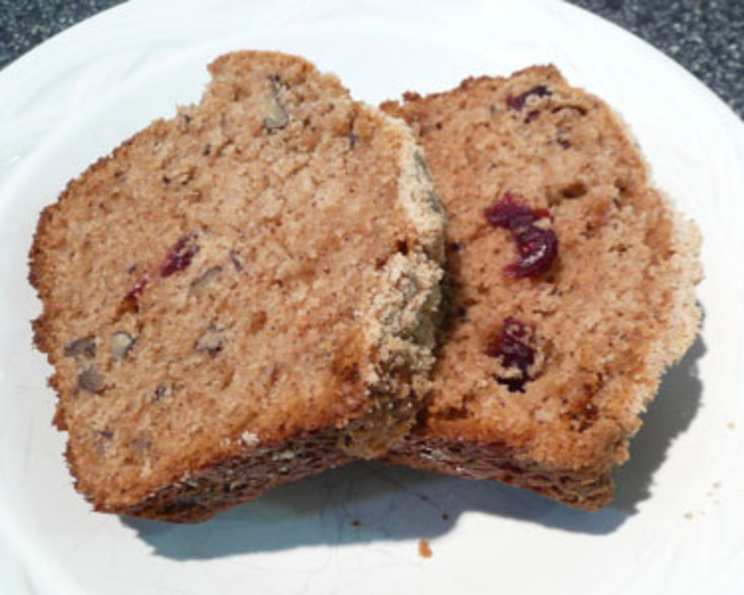
Bishop’s Bread: A Taste of Nostalgia
The scent of Bishop’s Bread instantly transports me back to my grandmother’s kitchen. I remember standing on a rickety stool, mesmerized as she stirred the fragrant mix of spices, dried fruits, and nuts. Her hands, weathered and wise, moved with a practiced grace, a silent promise of the delicious treat to come. The warm, comforting aroma would fill the house, a beacon of love and family that I cherish to this day. This recipe isn’t just about baking; it’s about recreating a feeling, a memory, a piece of my heart.
Recipe Overview
- Prep Time: 20 minutes
- Cook Time: 35 minutes
- Total Time: 55 minutes
- Yield: 2 loaves
- Servings: 24 slices
- Dietary Type: Vegetarian
Ingredients
- 2 ½ cups flour, plus some to coat pans
- 1 ¼ cups firmly packed brown sugar
- 1 teaspoon cinnamon
- ½ teaspoon clove
- ¼ teaspoon nutmeg
- 1 teaspoon salt
- ½ cup butter
- ½ cup chopped nuts (walnuts, pecans, or a mix)
- 1 teaspoon baking soda
- 1 cup buttermilk
- 2 eggs, beaten
- 1 cup raisins and currants (or other dried or candied fruit mix)
Equipment Needed
- 2 loaf pans (8×4 inches)
- Mixing bowls
- Measuring cups and spoons
- Pastry blender or fork
- Whisk
- Toothpick
Instructions
-
Preheat your oven to 350°F (175°C). Generously grease and flour two 8×4 inch loaf pans. This step is crucial to prevent the loaves from sticking. Dust off any excess flour after coating.
-
In a large mixing bowl, combine the 2 ½ cups of flour, 1 ¼ cups of brown sugar, 1 teaspoon of cinnamon, ½ teaspoon of clove, ¼ teaspoon of nutmeg, and 1 teaspoon of salt. Whisk to ensure all dry ingredients are evenly distributed. This ensures even flavor throughout the bread.
-
Cut in the ½ cup of butter using a pastry blender or two forks until the mixture resembles coarse meal. The butter should be cold for this step to work effectively. Small pieces of butter create pockets of air, resulting in a more tender bread.
-
Stir in the ½ cup of chopped nuts. This adds texture and a nutty flavor that complements the spices.
-
Remove ½ cup of the flour mixture and set aside. This reserved mixture will be sprinkled on top of the loaves before baking, adding a delightful textural element.
-
Mix 1 teaspoon of baking soda into the remaining flour mixture. The baking soda will react with the buttermilk, giving the bread its rise.
-
Beat in 1 cup of buttermilk and 2 eggs into the flour mixture. Combine until just mixed. Be careful not to overmix at this stage, as it can lead to a tough bread.
-
Stir 1 cup of raisins and currants (or other dried or candied fruit) into the batter just enough to moisten. Distribute the fruit evenly throughout the batter. Dried cranberries or chopped dates also work well.
-
Scrape the batter into the prepared loaf pans, dividing it evenly between the two.
-
Sprinkle the reserved flour mixture evenly over the tops of the batter in each pan. This creates a lovely, slightly crumbly topping.
-
Bake for approximately 35 minutes, or until a toothpick inserted into the center of the loaves comes out clean. Baking times may vary depending on your oven, so start checking for doneness around 30 minutes. If the tops are browning too quickly, tent them with foil.
-
Remove the loaves from the pans and cool on a wire rack completely before slicing. Cooling the bread completely before slicing prevents it from crumbling.
Expert Tips & Tricks
- Spice it up: Don’t be afraid to experiment with different spices. A pinch of cardamom or ginger can add a unique twist.
- Nutty variations: Toast the nuts before adding them to the batter for a deeper, richer flavor.
- Fruit forward: Soak the dried fruit in rum or brandy for an hour before adding it to the batter. This plumps the fruit and infuses it with delicious flavor.
- Don’t overmix: Overmixing the batter develops the gluten in the flour, which can result in a tough bread. Mix until just combined.
- Check for doneness: The toothpick test is the most reliable way to determine if the bread is done. If the toothpick comes out with wet batter, continue baking for a few more minutes and check again.
- Even baking: Rotate the pans halfway through baking to ensure even browning.
- Loaf pan liners: Use parchment paper loaf pan liners for easy removal and cleanup.
Serving & Storage Suggestions
Bishop’s Bread is delicious served warm or at room temperature. It pairs perfectly with a cup of coffee or tea. To serve, slice the bread into ½-inch thick slices.
For storage, wrap the cooled loaves tightly in plastic wrap or store them in an airtight container at room temperature for up to 3 days. You can also freeze the loaves for up to 2 months. To freeze, wrap the loaves tightly in plastic wrap and then in foil. Thaw overnight in the refrigerator before slicing and serving. You can also lightly toast a frozen slice for a quick treat.
Nutritional Information
(Estimated, per slice)
| Nutrient | Amount per Serving | % Daily Value |
|---|---|---|
| Calories | 175 kcal | 9% |
| Total Fat | 7g | 9% |
| Saturated Fat | 3g | 15% |
| Cholesterol | 27mg | 9% |
| Sodium | 230mg | 10% |
| Total Carbohydrate | 28g | 10% |
| Dietary Fiber | 1g | 4% |
| Sugars | 16g | – |
| Protein | 3g | 6% |
Variations & Substitutions
- Chocolate Chip Bishop’s Bread: Add ½ to 1 cup of chocolate chips to the batter along with the dried fruit.
- Gluten-Free Bishop’s Bread: Use a gluten-free flour blend in place of the all-purpose flour. You may need to add a binder, such as xanthan gum, to help hold the bread together.
- Dairy-Free Bishop’s Bread: Substitute the buttermilk with a dairy-free alternative, such as almond milk or soy milk, mixed with 1 teaspoon of lemon juice or vinegar. Use a plant-based butter substitute.
- Seasonal Fruit: Adapt the recipe to use seasonal fruits, such as chopped apples or pears in the fall, or fresh blueberries or raspberries in the summer. Candied citrus peel makes a festive addition during the holidays.
- Spiced Rum Bishop’s Bread: Soak the dried fruit in spiced rum before adding it to the batter. This adds a warm, boozy flavor to the bread.
FAQs (Frequently Asked Questions)
Q: Can I use different types of nuts?
A: Absolutely! Feel free to experiment with different types of nuts, such as walnuts, pecans, almonds, or even a mix. Toasting the nuts before adding them to the batter enhances their flavor.
Q: Can I use a different type of dried fruit?
A: Yes, you can substitute the raisins and currants with other dried fruits, such as cranberries, chopped dates, or apricots. Ensure they are roughly the same size for even distribution in the batter.
Q: Can I make this recipe ahead of time?
A: Yes, Bishop’s Bread can be made a day or two in advance. Wrap the cooled loaves tightly in plastic wrap and store them at room temperature.
Q: How do I prevent the bread from sticking to the pan?
A: Grease and flour the loaf pans thoroughly before adding the batter. You can also use parchment paper loaf pan liners for easy removal.
Q: Why did my bread sink in the middle?
A: Sinking in the middle can be caused by several factors, including overmixing the batter, using too much liquid, or opening the oven door frequently during baking. Ensure you follow the recipe instructions carefully and avoid opening the oven door unnecessarily.
Final Thoughts
Bishop’s Bread is more than just a recipe; it’s a connection to the past, a way to share love and warmth with family and friends. The simple act of baking this bread can create lasting memories, just as it did for me. So, gather your ingredients, preheat your oven, and embark on this delicious journey. I encourage you to try this recipe, experiment with different flavors, and create your own version of this classic treat. And, most importantly, share your creations with those you love – and please, let me know how it turns out!