
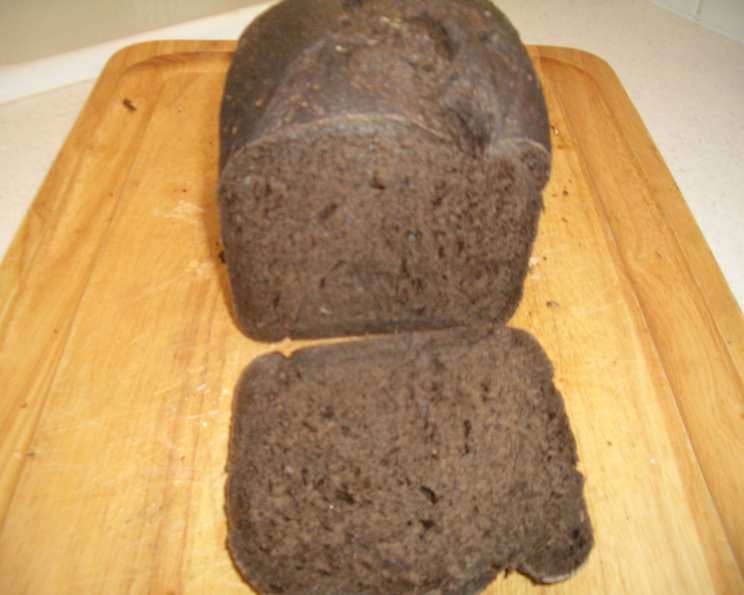
Black Forest Pumpernickel (Abm)
The first time I tasted pumpernickel, I was visiting a small bakery in the Black Forest of Germany. The earthy aroma of rye and the subtle sweetness of molasses filled the air. It was unlike any bread I’d ever had – dark, dense, and deeply flavorful. Paired with creamy cheese and a crisp apple, it was a revelation. I’ve been chasing that perfect loaf ever since, and this recipe brings me right back to that cozy bakery in the heart of Germany.
Recipe Overview
- Prep Time: 30 minutes
- Cook Time: 3 hours 15 minutes
- Total Time: 3 hours 45 minutes
- Yield: 1 1/2 pound loaf
- Servings: 15
- Dietary Type: Vegetarian
Ingredients
- 1 1⁄8 cups water
- 1⁄3 cup molasses
- 1 1⁄2 tablespoons canola oil
- 1 1⁄2 cups bread flour
- 1 cup rye flour
- 1 cup whole wheat flour
- 3 tablespoons baking cocoa
- 1 1⁄2 teaspoons salt
- 1 teaspoon instant espresso powder (optional)
- 1 tablespoon caraway seed
- 2 teaspoons dry yeast
Equipment Needed
- Bread Machine
Instructions
-
Begin by carefully measuring out all your ingredients. Accuracy is key for a successful loaf of pumpernickel.
-
In your bread machine pan, add the water, followed by the molasses and canola oil. The order in which you add the ingredients is important, as specified by your bread machine manufacturer, to ensure proper mixing and yeast activation.
-
Next, add the bread flour, rye flour, and whole wheat flour to the pan. Make sure the flours are evenly distributed.
-
Add the baking cocoa, salt, and instant espresso powder (if using) to the pan. The espresso powder is optional but it enhances the deep flavor of the pumpernickel.
-
Sprinkle the caraway seed over the flour mixture.
-
Finally, add the dry yeast to the pan, ensuring it’s kept separate from the liquid ingredients until the mixing process begins. This prevents premature activation of the yeast.
-
Place the bread machine pan into the bread machine.
-
Select the Sweet bread cycle on your bread machine. If you don’t have a sweet bread cycle, choose a similar cycle that has a longer rise time.
-
Choose the light crust setting. This will prevent the crust from becoming too dark and hard.
-
Start the bread machine. The machine will now go through its kneading, rising, and baking cycles.
-
Once the cycle is complete, carefully remove the bread pan from the machine.
-
Let the bread cool in the pan for about 10 minutes before transferring it to a wire rack to cool completely. This prevents the bread from becoming soggy.
Expert Tips & Tricks
- Temperature matters: Ensure your water is at room temperature or slightly warmer to activate the yeast properly. Avoid using hot water, as it can kill the yeast.
- The espresso secret: The small amount of instant espresso powder enhances the cocoa and molasses, creating a more complex flavor profile. Don’t skip it!
- Molasses magic: Use a good quality molasses for the best flavor. Dark molasses will give a richer, more intense flavor than light molasses.
- Kneading is key: If you find your dough isn’t coming together properly, add a tablespoon of water at a time until it forms a smooth ball. Conversely, if the dough is too sticky, add a tablespoon of flour at a time until it reaches the desired consistency.
- Listen to your machine: Bread machines can vary in their performance. If your bread is consistently underbaked, try adding a few extra minutes to the baking time.
- Rest and rise: If your bread machine allows you to adjust the rising time, consider increasing it slightly for a lighter, airier loaf.
- Cocoa considerations: Use unsweetened baking cocoa for the best results. Sweetened cocoa can make the bread too sweet.
Serving & Storage Suggestions
This Black Forest Pumpernickel is fantastic served warm with a smear of cream cheese or butter. It’s also excellent for sandwiches, especially with hearty fillings like smoked meats, sharp cheeses, or savory spreads. For a truly German experience, pair it with sliced sausage and a tangy mustard.
To store your pumpernickel, wrap it tightly in plastic wrap or place it in an airtight container. It will keep at room temperature for up to 3 days. For longer storage, you can freeze the bread for up to 2 months. When freezing, slice the bread first for easy thawing.
To reheat frozen bread, thaw it at room temperature and then toast it lightly or warm it in the oven for a few minutes.
Nutritional Information
| Nutrient | Amount per Serving | % Daily Value |
|---|---|---|
| Calories | 136.3 kcal | N/A |
| Calories from Fat | 18 g | 13% |
| Total Fat | 2 g | 3% |
| Saturated Fat | 0.2 g | 1% |
| Cholesterol | 0 mg | 0% |
| Sodium | 237.1 mg | 9% |
| Total Carbohydrate | 27.2 g | 9% |
| Dietary Fiber | 2.9 g | 11% |
| Sugars | 4.3 g | N/A |
| Protein | 3.5 g | 7% |
Variations & Substitutions
- Gluten-free: While a true pumpernickel relies heavily on rye, you could experiment with gluten-free rye flour and a blend of other gluten-free flours like sorghum and tapioca starch, but expect a different texture.
- Sweetness: For a sweeter loaf, increase the molasses slightly. Alternatively, a touch of honey or maple syrup can be added.
- Nuts and Seeds: Add a handful of chopped walnuts, sunflower seeds, or pumpkin seeds for added texture and flavor.
- Spice it up: A pinch of ground cloves or cinnamon can add warmth and complexity to the bread.
- Vegan option: This recipe is already mostly vegan. Be sure that your yeast does not contain any animal-derived ingredients.
- Beer bread version: Replace some of the water with dark beer (like a stout or porter) for a deeper, maltier flavor.
FAQs (Frequently Asked Questions)
Q: Can I make this recipe without a bread machine?
A: While this recipe is designed for a bread machine, you can adapt it for a conventional oven. You’ll need to knead the dough, let it rise, and then bake it in a preheated oven.
Q: Why is my pumpernickel bread so dense?
A: Pumpernickel is naturally a dense bread due to the high rye flour content. Ensure you’re using the correct flour measurements and not over-kneading the dough, which can further contribute to its density.
Q: Can I use active dry yeast instead of instant yeast?
A: Yes, you can use active dry yeast. However, you’ll need to proof it in warm water with a pinch of sugar before adding it to the bread machine.
Q: How do I know when the bread is done?
A: In a bread machine, the machine will indicate the completion of the cycle. If adapting to a conventional oven, the bread is done when it sounds hollow when tapped on the bottom and the internal temperature reaches 200-210°F (93-99°C).
Q: My bread is too dry. What can I do?
A: Next time, try adding a tablespoon of oil or shortening to the dough. Also, ensure you are accurately measuring the flour.
Final Thoughts
This Black Forest Pumpernickel is more than just bread; it’s a taste of history and a reminder of simpler times. The combination of hearty rye, sweet molasses, and subtle spices creates a truly unique flavor experience. I encourage you to try this recipe and share your own memories and pairings with this wonderful bread. Don’t be afraid to experiment with variations to create your own signature loaf. Whether you enjoy it with a bowl of soup, a gourmet sandwich, or simply on its own, I hope this pumpernickel brings you as much joy as it has brought me. Enjoy!