
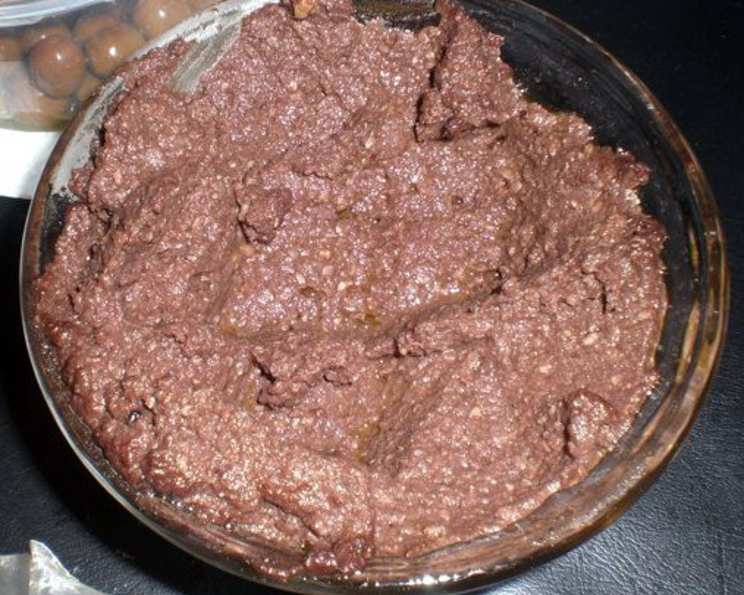
Black Olive Hummus: A Mediterranean Delight
The first time I tasted black olive hummus, it was at a tiny taverna overlooking the Aegean Sea. The salty air mingled with the earthy aroma of olives, and the creamy texture against warm pita bread was simply divine. It was an experience that transported me, and ever since, I’ve been on a quest to recreate that perfect bite. This recipe captures the essence of that memory, bringing a taste of the Mediterranean to your table.
Recipe Overview
- Prep Time: 10 minutes
- Cook Time: 0 minutes
- Total Time: 10 minutes
- Servings: 8
- Yield: About 3 cups
- Dietary Type: Vegan, Gluten-Free, Dairy-Free
Ingredients
- 6 ounces kalamata olives (pitted) OR 6 ounces black olive paste (such as Marmarabirlik salted black olive paste)
- 1 (15 ounce) can chickpeas, drained
- 1 teaspoon garlic, minced
- 1 teaspoon black pepper
- 3 tablespoons fresh lemon juice
- 1 teaspoon lemon-infused olive oil
- 4 tablespoons olive oil
- ⅛ cup water
- ½ teaspoon salt, to taste (omit if using salted black olive paste)
Equipment Needed
- Food processor
Instructions
- Add all ingredients except the olive oils, water, and salt to a food processor.
- Pulse the ingredients until they start to form a paste. This initial pulsing breaks down the olives and chickpeas, creating a base for the hummus.
- Add the lemon-infused olive oil, and turn the food processor on to a continuous setting. The lemon-infused oil adds a bright, aromatic dimension to the hummus.
- Slowly drizzle in the olive oil, about a tablespoon at a time, until you reach a smooth, creamy texture. The gradual addition of oil ensures proper emulsification, resulting in a velvety consistency.
- If the hummus is too thick, add water in teaspoons to help thin it out to your desired consistency.
- Taste the hummus and add salt, if needed. Note: If using salted black olive paste, you will likely not need to add any additional salt.
- Serve immediately or chill for later.
Expert Tips & Tricks
- Quality of Olives: The flavor of your hummus heavily depends on the quality of your olives or olive paste. Opt for high-quality, flavorful olives for the best results. Kalamata olives provide a distinct fruity and slightly tangy flavor, while black olive paste offers a more intense, concentrated olive taste. Experiment to find your preferred profile.
- Chickpea Preparation: For an even smoother hummus, you can gently rub the drained chickpeas between two clean towels to remove the outer skins. This is an optional step, but it can significantly improve the texture.
- Lemon Juice: Freshly squeezed lemon juice is essential for the bright, zesty flavor that balances the richness of the olives and oil. Bottled lemon juice can taste artificial and lack the same vibrancy.
- Olive Oil: Use a good-quality extra virgin olive oil for the best flavor and texture. The olive oil contributes significantly to the overall taste and creaminess of the hummus.
- Flavor Infusion: Experiment with other infused olive oils, such as garlic-infused or chili-infused, to add different flavor dimensions to your hummus.
- Spice It Up: Add a pinch of red pepper flakes for a subtle kick of heat.
- Make Ahead: Hummus can be made a day or two in advance. Store it in an airtight container in the refrigerator, and the flavors will meld together even more.
- Troubleshooting: If your hummus is too bitter, it might be due to over-processing the olives. Try adding a touch more lemon juice or a teaspoon of honey to balance the bitterness. If it’s too thick, add more water, a teaspoon at a time, until you reach the desired consistency.
Serving & Storage Suggestions
Serve the black olive hummus chilled or at room temperature with warm pita bread, fresh vegetables (such as cucumbers, carrots, and bell peppers), or crackers. It’s also a delicious spread for sandwiches and wraps.
For a more elegant presentation, drizzle a small amount of olive oil over the hummus, sprinkle with chopped fresh parsley or cilantro, and add a few whole olives or a sprinkle of paprika.
Store leftover hummus in an airtight container in the refrigerator for up to 5 days. It is generally not recommended to leave hummus at room temperature for more than 2 hours. Freezing hummus can alter the texture slightly, but it is possible. Thaw it in the refrigerator overnight and stir well before serving.
Nutritional Information
| Nutrient | Amount per Serving | % Daily Value |
|---|---|---|
| Calories | 155 kcal | N/A |
| Total Fat | 10g | 15% |
| Saturated Fat | 1g | 6% |
| Cholesterol | 0mg | 0% |
| Sodium | 491mg | 20% |
| Total Carbohydrate | 14g | 4% |
| Dietary Fiber | 3g | 12% |
| Sugars | 0g | 0% |
| Protein | 2g | 5% |
Note: Nutritional information is an estimate and may vary based on specific ingredients and serving sizes.
Variations & Substitutions
- Different Olives: While this recipe calls for kalamata olives or black olive paste, you can experiment with other types of olives, such as Castelvetrano olives or Niçoise olives, for different flavor profiles.
- Roasted Garlic: For a sweeter, milder garlic flavor, roast the garlic cloves before adding them to the food processor.
- Tahini Addition: For a more traditional hummus flavor, you can add 1-2 tablespoons of tahini (sesame seed paste) to the recipe. Note that this will no longer make it a sesame-free recipe.
- Herb Infusion: Add fresh herbs, such as rosemary, thyme, or oregano, to the food processor for an herbaceous twist.
- Spicy Hummus: Add a pinch of cayenne pepper or a drizzle of hot sauce to the hummus for a spicy kick.
FAQs (Frequently Asked Questions)
Q: Can I use dried chickpeas instead of canned?
A: Yes, you can use dried chickpeas. Soak them overnight and then cook them until tender before using them in the recipe.
Q: Can I make this hummus without a food processor?
A: While a food processor is the easiest way to achieve a smooth texture, you can use a high-powered blender. You may need to add more liquid to help the blending process.
Q: How long does black olive hummus last in the refrigerator?
A: Black olive hummus will last for up to 5 days in an airtight container in the refrigerator.
Q: Can I freeze black olive hummus?
A: Freezing can alter the texture of the hummus, but it is possible. Store it in an airtight container and thaw it in the refrigerator overnight before serving. Stir well before serving.
Q: My hummus is too thick. How can I thin it out?
A: Add water, a teaspoon at a time, until you reach your desired consistency. You can also add a little more lemon juice or olive oil.
Final Thoughts
I hope this recipe inspires you to create your own delicious batch of black olive hummus. It’s a simple yet flavorful dish that’s perfect for snacking, entertaining, or adding a Mediterranean touch to your meals. Feel free to experiment with different variations and find your perfect combination of flavors. Don’t hesitate to share your creations and feedback – I’d love to hear how it turns out for you! Pair it with a crisp glass of dry rosé for an unforgettable experience.