
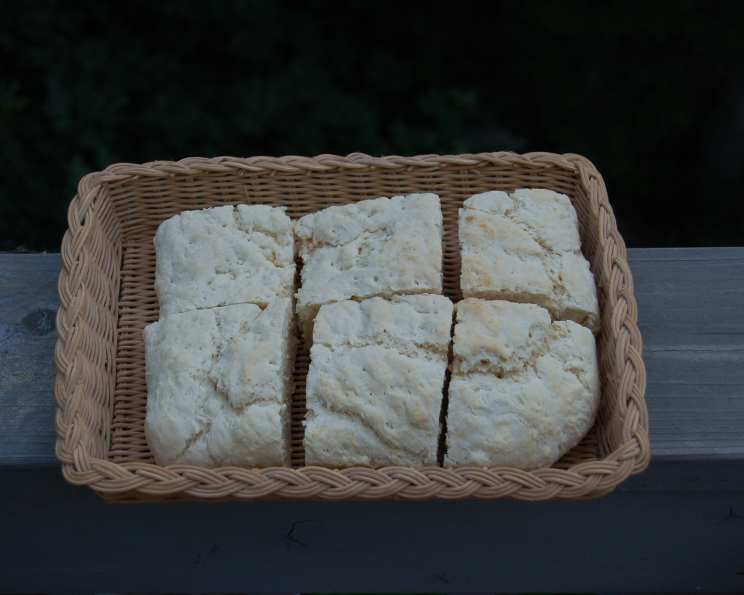
Blackfeet Nation Bannock: A Taste of Tradition
My grandmother, a woman with hands that seemed eternally dusted with flour, often told stories of her childhood summers spent on the Blackfeet reservation. While I never experienced that life firsthand, the stories always seemed to culminate around the simple, yet profoundly comforting aroma of bannock baking in a wood-fired oven. It wasn’t just bread; it was a connection to heritage, a tangible piece of history passed down through generations. The slightly smoky flavor, the dense yet yielding texture – it was a taste of home, even for someone who had never truly been there.
Recipe Overview
- Prep Time: 15 minutes
- Cook Time: 35 minutes
- Total Time: 50 minutes
- Servings: 12
- Yield: 1 large loaf
- Dietary Type: Vegetarian
Ingredients
- 6 cups white flour
- 3 tablespoons baking powder
- 1 1/2 teaspoons salt
- 2 1/2 cups water
Equipment Needed
- Large Mixing Bowl
- Measuring Cups and Spoons
- Lightly Floured Board
- Rolling Pin
- 9 x 13 inch Baking Pan
- Cutting Board or Cooling Rack
Instructions
-
Preheat your oven to 350 degrees Fahrenheit. Make sure your oven rack is in the center position for even baking.
-
In a large bowl, thoroughly mix together the flour, baking powder, and salt. Using a whisk can help to evenly distribute the baking powder and salt throughout the flour, ensuring a consistent rise and flavor.
-
Gradually stir in the water until a thick dough forms. Add the water slowly, mixing as you go. You may not need all of the water, or you might need a tablespoon or two more, depending on the humidity in your kitchen. The dough should be shaggy but cohesive.
-
Turn the dough out onto a lightly floured board. Knead the dough until it is no longer sticky. It doesn’t need to be perfectly smooth like bread dough; a slightly rough texture is perfectly acceptable. Over-kneading can lead to a tough bannock, so knead just until it comes together.
-
Grease a 9 x 13 inch baking pan thoroughly. You can use butter, oil, or cooking spray. Ensuring the pan is well-greased prevents the bannock from sticking and makes it easier to remove after baking.
-
Using a rolling pin, flatten the dough until it is roughly the size of the pan. You can also gently press and stretch the dough with your hands if you prefer.
-
Place the dough in the pan and adjust it to fit, pressing it into the corners. The dough should be evenly distributed in the pan for consistent baking.
-
Bake for 35 minutes. The bread should be slightly brown on top. Keep an eye on it; oven temperatures can vary, so it might need a few more minutes. A toothpick inserted into the center should come out clean (though it might have a few moist crumbs clinging to it).
-
Turn the bannock out onto a cutting board or cooling rack. This bread can be cut while warm.
Expert Tips & Tricks
- Don’t overmix the dough. Overmixing develops the gluten too much, resulting in a tougher bannock. Mix just until the ingredients are combined.
- For a richer flavor, try using melted butter or lard instead of oil to grease the pan.
- If you don’t have a rolling pin, you can simply press the dough out with your hands.
- For a crispier crust, brush the top of the bannock with melted butter or oil before baking.
- If you want a slightly sweeter bannock, you can add a tablespoon or two of sugar to the dough.
Serving & Storage Suggestions
Bannock is traditionally served warm, often with roasted meats or wild berry jams. Its hearty texture makes it perfect for soaking up sauces and gravies. It can also be enjoyed simply with butter or honey.
Leftover bannock can be stored at room temperature in an airtight container for up to 2 days. For longer storage, wrap it tightly and refrigerate for up to a week or freeze for up to 2 months. To reheat, wrap the bannock in foil and warm it in a 350°F oven for 10-15 minutes, or until heated through. You can also microwave individual slices for a quicker option, but be aware that microwaving may make it slightly tougher.
Nutritional Information
Please note that these values are estimates and can vary based on specific ingredients and serving sizes.
| Nutrient | Amount per Serving | % Daily Value |
|---|---|---|
| Calories | 280 kcal | 14% |
| Total Fat | 2g | 3% |
| Saturated Fat | 0g | 0% |
| Cholesterol | 0mg | 0% |
| Sodium | 450mg | 19% |
| Total Carbohydrate | 58g | 21% |
| Dietary Fiber | 2g | 7% |
| Sugars | 1g | 2% |
| Protein | 7g | 14% |
Variations & Substitutions
- Gluten-Free Bannock: Substitute the white flour with a gluten-free all-purpose flour blend. You may need to adjust the amount of water depending on the blend you use.
- Whole Wheat Bannock: Replace half of the white flour with whole wheat flour for a nuttier flavor and added fiber.
- Herb Bannock: Add a tablespoon of dried herbs, such as rosemary, thyme, or oregano, to the dough for a savory twist.
- Sweet Bannock: Add 1/4 cup of sugar and 1/2 teaspoon of cinnamon to the dough for a sweeter version. You can also add raisins or other dried fruits.
- Fry Bread Variation: Instead of baking, the dough can be shaped into small patties and fried in oil until golden brown. This is another common way to prepare bannock and is often served with savory toppings like chili or taco meat.
FAQs (Frequently Asked Questions):
Q: Why is my bannock so dense?
A: It could be due to overmixing the dough, which develops the gluten too much. Make sure to mix just until the ingredients are combined. Also, ensure your baking powder is fresh, as old baking powder loses its leavening power.
Q: Can I make this bannock ahead of time?
A: Yes, you can prepare the dough ahead of time and store it in the refrigerator for up to 24 hours. Let it come to room temperature before rolling it out and baking.
Q: What’s the best way to reheat leftover bannock?
A: Wrapping the bannock in foil and warming it in a 350°F oven for 10-15 minutes is the best way to retain its moisture and texture. Microwaving can make it tougher.
Q: Can I freeze the baked bannock?
A: Yes, wrap the bannock tightly in plastic wrap and then in foil, or place it in a freezer-safe bag. It can be frozen for up to 2 months. Thaw it overnight in the refrigerator before reheating.
Q: Can I use self-rising flour instead of all-purpose flour and baking powder?
A: Yes, you can. Omit the baking powder and salt from the recipe if using self-rising flour.
Final Thoughts
This Blackfeet Nation Bannock recipe is more than just a way to make bread; it’s a connection to a rich cultural heritage. By following these simple steps, you can create a delicious and comforting dish that has been enjoyed for generations. I encourage you to try this recipe, experiment with variations, and share your experiences with others. Serve it with a hearty stew, a dollop of wild berry jam, or simply enjoy it warm with butter – however you choose to enjoy it, I hope it brings a little bit of history and warmth to your table.