
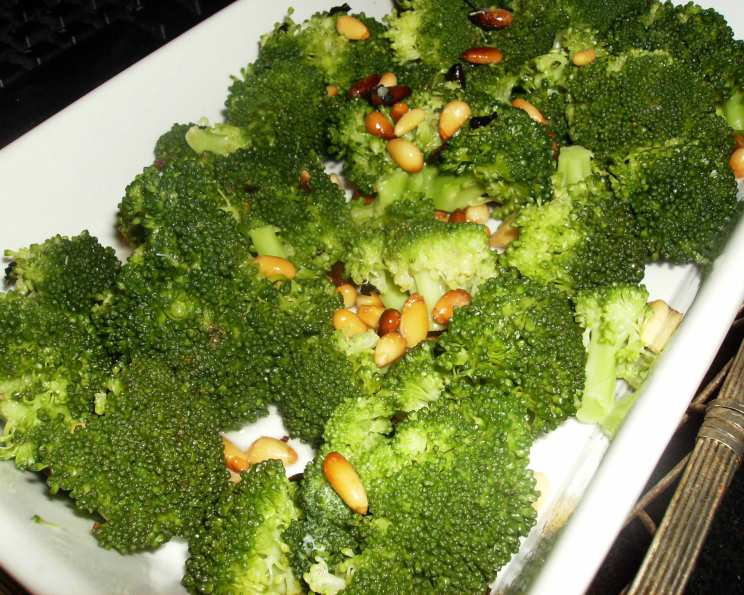
Back to Basics: Perfectly Blanched Vegetables
There’s a distinct memory etched in my mind from childhood – the vibrant green of freshly picked green beans my grandmother would bring in from her garden. She always blanched them first. Not because she had to, but because it was part of her routine, a ritual that preserved that gorgeous color and locked in the just-picked sweetness. The brief dance in boiling water, followed by the icy plunge, was almost magical. Those blanched beans, tossed simply with a little butter and salt, were a taste of summer I still crave.
Recipe Overview
- Prep Time: 10 minutes
- Cook Time: 2 minutes
- Total Time: 12 minutes
- Servings: 4-6
- Dietary Type: Vegetarian, Gluten-Free, Vegan (if butter is omitted)
Ingredients
- 1 head cauliflower or 1 head asparagus
- Bowl ice water
- Olive oil (optional) or butter, just to cover bottom of pan (optional)
- 2 tablespoons pine nuts, toasted (optional)
- Seasoning salt, to taste (optional)
- 2-4 garlic cloves, sliced and sautéed till tender (optional)
- Salt for blanching water
Equipment Needed
- Large pot
- Slotted spoon or spider
- Large bowl
Instructions
-
Start by preparing your vegetables. If using cauliflower, remove the outer leaves and cut the head into bite-sized florets. For asparagus, snap off the tough ends of the stalks and cut the remaining stalks into 1-2 inch pieces. It’s important to keep the stems (or thicker parts) separate from the more delicate tops. This ensures even cooking.
-
Prepare an ice bath. Fill a large bowl with plenty of ice and cold water. This is crucial for stopping the cooking process and preserving the vibrant color and crisp texture of the blanched vegetables.
-
Bring a large pot of water to a rolling boil. Add a generous amount of salt to the boiling water. The water should taste like the sea; this seasons the vegetables from the inside out.
-
Add the thicker stems of the cauliflower or asparagus to the boiling water. Cook for 1 minute.
-
Add the more tender tops of the vegetables to the pot. Cook for another 1 minute. The total cooking time should be brief; you’re aiming for slightly tender-crisp, not mushy.
-
Immediately remove the vegetables from the boiling water using a slotted spoon or spider and transfer them to the prepared ice bath. Make sure the vegetables are fully submerged in the ice water.
-
Let the vegetables chill in the ice bath for a few minutes, until they are completely cool. This will halt the cooking process and set their color.
-
Drain the blanched vegetables thoroughly. You can use a salad spinner to remove excess water, or pat them dry with paper towels.
-
At this point, the blanched vegetables are ready to be used in your final dish. You can store them in the refrigerator for later use, or proceed with the final preparation immediately.
-
To finish, you can sauté the blanched vegetables in a pan with butter or olive oil. If desired, add garlic, toasted pine nuts, and seasoning salt to taste. Stir-fry for just 1-2 minutes, until heated through. Be careful not to overcook them; they should still be crisp.
Expert Tips & Tricks
- Don’t overcrowd the pot: Blanch the vegetables in batches if necessary to prevent the water temperature from dropping too much. A crowded pot will result in unevenly cooked vegetables.
- Timing is Key: The blanching time is crucial. Over-blanching will result in mushy vegetables, while under-blanching will leave them too raw. Err on the side of under-blanching; you can always cook them further in the final preparation.
- Salt the Blanching Water Generously: Salting the water not only seasons the vegetables but also helps to preserve their color.
- Shocking is Essential: Don’t skip the ice bath! It’s the key to stopping the cooking process and maintaining the vibrant color and crisp texture of the vegetables.
- Dry thoroughly: Excess moisture will prevent the vegetables from browning properly when sautéed.
Serving & Storage Suggestions
Serve the blanched vegetables as a side dish alongside your favorite protein. They are delicious simply sautéed with butter and garlic, or as part of a larger stir-fry or pasta dish.
Storage: Blanched vegetables can be stored in an airtight container in the refrigerator for up to 3-4 days. For longer storage, blanching is an excellent way to prepare vegetables for freezing. To freeze, spread the blanched and drained vegetables in a single layer on a baking sheet and freeze until solid. Then, transfer them to a freezer bag or container. They can be stored in the freezer for up to 8-12 months.
Reheating: Reheat blanched vegetables by sautéing them in a pan with oil or butter, steaming them, or adding them to soups or stews. Avoid microwaving, as this can make them mushy.
Nutritional Information
| Nutrient | Amount per Serving | % Daily Value |
|---|---|---|
| Calories | 52 kcal | 3% |
| Total Fat | 0.6g | 1% |
| Saturated Fat | 0.1g | 1% |
| Cholesterol | 0mg | 0% |
| Sodium | 50mg | 2% |
| Total Carbohydrate | 10g | 4% |
| Dietary Fiber | 4g | 16% |
| Sugars | 3g | – |
| Protein | 4g | 8% |
Variations & Substitutions
- Other Vegetables: This method works well with a variety of vegetables, including green beans, broccoli, Brussels sprouts, carrots, and snap peas. Adjust the blanching time according to the density of the vegetable.
- Vegan Option: Use olive oil instead of butter for a vegan version.
- Spice it Up: Add a pinch of red pepper flakes to the sauté pan for a little heat.
- Herbs: Fresh herbs like thyme, rosemary, or parsley can add a delicious flavor to the sautéed vegetables.
- Lemon Zest: Add a bright citrus note with some lemon zest.
FAQs (Frequently Asked Questions)
Q: Why is blanching necessary?
A: Blanching helps to soften vegetables slightly, preserve their vibrant color, and inactivate enzymes that cause spoilage. It’s an excellent way to prepare vegetables for freezing or for quick cooking later on.
Q: Can I blanch vegetables without salt?
A: While you can, it’s not recommended. Salt seasons the vegetables from the inside out and helps to preserve their color.
Q: How do I know if the vegetables are blanched correctly?
A: The vegetables should be slightly tender-crisp. They should still have a bit of bite to them, but not be completely raw.
Q: Can I use frozen vegetables for this recipe?
A: While you can sauté frozen vegetables, blanching is typically done with fresh vegetables to prepare them for freezing or for quick cooking.
Q: What if I don’t have ice?
A: If you don’t have ice, use the coldest water you can get. The goal is to quickly stop the cooking process.
Final Thoughts
Blanching vegetables is a simple yet fundamental technique that unlocks a world of culinary possibilities. Whether you’re preserving the harvest from your garden, prepping ingredients for a quick weeknight meal, or simply seeking to elevate the presentation of your dishes, mastering this method will undoubtedly enhance your cooking skills. So, grab your favorite vegetables, embrace the art of the blanch, and savor the vibrant flavors and textures that await! Experiment with different seasonings, herbs, and cooking methods to create your own signature blanched vegetable dishes. And don’t hesitate to share your culinary creations with friends and family – the joy of cooking is best enjoyed when shared!