
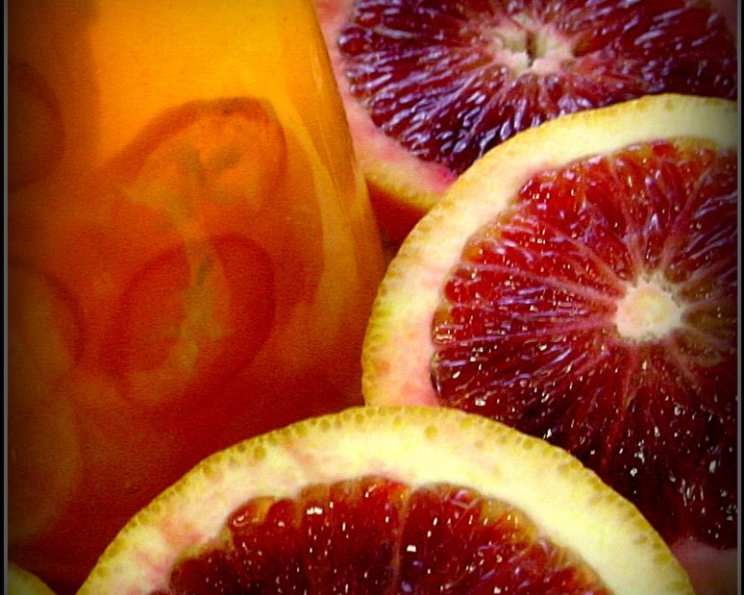
The Jewel-Toned Delight: Blood Orange Marmalade
I’ll never forget the first time I saw a blood orange. As a child, visiting my grandmother’s citrus orchard in Sicily, I reached for what I thought was a regular orange, only to be startled by the crimson depths revealed when I peeled it open. The air filled with its intoxicating fragrance, a blend of sunshine, berries, and something altogether exotic. That day, I learned that the best surprises often come from the simplest things. This blood orange marmalade, with its vibrant color and complex flavor, is a reminder of that discovery – a little bit of Sicilian sunshine bottled and ready to brighten any morning.
Recipe Overview
- Prep Time: 20 minutes
- Cook Time: 1 hour
- Total Time: 1 hour 20 minutes
- Yields: Approximately 1 1/2 cups
- Dietary Type: Vegan, Gluten-Free
Ingredients
- 2 cups sugar, divided
- 1 1/2 cups water, divided
- 1 blood orange or 1 regular orange, thinly sliced with peel into rounds, seeded if necessary
- 2 1/2 tablespoons fresh lemon juice
- 2 tablespoons Campari
Equipment Needed
- Heavy medium saucepan
- Strainer
- Medium bowl
- Small bowl
Instructions
-
In a heavy medium saucepan, combine 1 cup of the sugar, 1 cup of the water, and the thinly sliced orange rounds. Bring the mixture to a simmer over medium heat, stirring continuously until the sugar is completely dissolved. Make sure to stir gently so as not to break up the orange slices too much.
-
Once the sugar is dissolved, reduce the heat to low. Gently cook, uncovered, until the orange peel becomes tender, stirring occasionally to prevent sticking. This should take approximately 30 minutes. Watch carefully and adjust the heat if necessary to prevent burning.
-
Carefully pour the cooked orange mixture into a strainer that has been set over a medium bowl. This will separate the cooked orange slices from the syrup.
-
Thoroughly chop the strained orange slices and reserve them. Discard the syrup. While the syrup isn’t suitable for marmalade, you could reduce it further and use it to flavor cocktails or desserts.
-
In another heavy medium saucepan, combine the remaining 1 cup of sugar, the remaining 1/2 cup of water, and the fresh lemon juice. Bring this mixture to a simmer over medium heat, stirring until the sugar is fully dissolved. The lemon juice not only adds a bright tang but also helps with the setting of the marmalade.
-
Add the chopped, reserved orange to the saucepan with the sugar and lemon juice mixture. Reduce the heat to low and cook, stirring occasionally, until the orange is very tender and the rind becomes translucent. This process should take about 30 minutes longer. The key here is patience – allow the flavors to meld and the orange to soften completely.
-
Once the orange is tender and translucent, stir in the Campari. The Campari adds a unique bitter-sweet note that perfectly complements the citrus flavors.
-
Transfer the finished marmalade to a small bowl. Allow it to cool completely at room temperature. As it cools, the marmalade will thicken.
-
Once cooled, cover the bowl tightly and refrigerate.
Expert Tips & Tricks
- Pectin Power: Citrus fruits are naturally high in pectin, which helps marmalade set. However, the pith (the white part of the orange peel) contains the most pectin. If you prefer a thicker marmalade, include more of the pith when slicing the oranges.
- The Cold Plate Test: To test if your marmalade is ready, place a small spoonful on a chilled plate. Return the plate to the freezer for 1 minute. If the marmalade wrinkles when you push it with your finger, it’s set. If not, continue cooking for a few more minutes and test again.
- Bitterness Control: If you find the marmalade too bitter, add a small amount of honey or agave nectar to balance the flavors.
- Alcohol Alternatives: If you don’t have Campari, you can substitute another bitter orange liqueur, such as Aperol, or even a splash of orange bitters. Alternatively, omit the alcohol altogether for a non-alcoholic version.
- Jar It Up: For long-term storage, you can process the marmalade in sterilized jars using a water bath canner, following proper canning procedures. This will extend the shelf life significantly.
Serving & Storage Suggestions
This blood orange marmalade is incredibly versatile. Spread it on toast, scones, or crumpets for a delightful breakfast. Use it as a glaze for roasted meats, such as duck or pork. Add a spoonful to yogurt or oatmeal for a burst of citrus flavor. It also pairs beautifully with cheese, especially creamy brie or tangy goat cheese.
Store the marmalade in an airtight container in the refrigerator. It will keep for up to 2 weeks. For longer storage, freeze the marmalade in freezer-safe containers. It can be frozen for up to 3 months.
Nutritional Information
| Nutrient | Amount per Serving | % Daily Value |
|---|---|---|
| Calories | 1080 kcal | N/A |
| Total Fat | 0.1 g | 0% |
| Saturated Fat | 0 g | 0% |
| Cholesterol | 0 mg | 0% |
| Sodium | 5 mg | 0% |
| Total Carbohydrate | 279 g | 93% |
| Dietary Fiber | 2.2 g | 8% |
| Sugars | 275.2 g | N/A |
| Protein | 0.9 g | 1% |
Note: Nutritional information is an estimate and may vary based on specific ingredients and preparation methods.
Variations & Substitutions
- Spicy Kick: Add a pinch of red pepper flakes during the cooking process for a spicy marmalade.
- Ginger Infusion: Grate fresh ginger into the marmalade for a warm, aromatic twist.
- Citrus Medley: Combine blood oranges with other citrus fruits, such as grapefruits or mandarins, for a more complex flavor profile.
- Whiskey Wonder: Substitute the Campari with a tablespoon of your favorite whiskey for a richer flavor.
FAQs (Frequently Asked Questions)
Q: Can I use regular oranges if I can’t find blood oranges?
A: Yes, you can substitute regular oranges. The flavor will be slightly different, but still delicious. Blood oranges offer a unique berry-like note and vibrant color, but regular oranges will work perfectly well.
Q: How do I prevent my marmalade from being too bitter?
A: To reduce bitterness, remove as much of the white pith as possible from the orange slices before chopping them. You can also balance the bitterness with a touch of honey or agave.
Q: How long does homemade marmalade last?
A: When stored properly in the refrigerator in an airtight container, homemade marmalade can last for up to 2 weeks. For longer storage, consider freezing or canning.
Q: My marmalade is too runny. What did I do wrong?
A: Runny marmalade usually means it hasn’t cooked long enough to reach the setting point. Continue cooking the marmalade for a few more minutes and test again using the cold plate method.
Q: Can I use a different type of alcohol besides Campari?
A: Absolutely! You can experiment with other bitter orange liqueurs, such as Aperol, or even a splash of orange bitters. Alternatively, you can omit the alcohol entirely for a non-alcoholic version.
Final Thoughts
This blood orange marmalade is more than just a condiment; it’s a celebration of flavor, color, and the joy of preserving nature’s bounty. I encourage you to try this recipe and experience the magic of blood oranges for yourself. Don’t be afraid to experiment with variations and make it your own. And when you do, I would love to hear about your experience and any creative twists you added. Perhaps a dollop on freshly baked croissants with a cup of strong coffee? The possibilities are endless!