
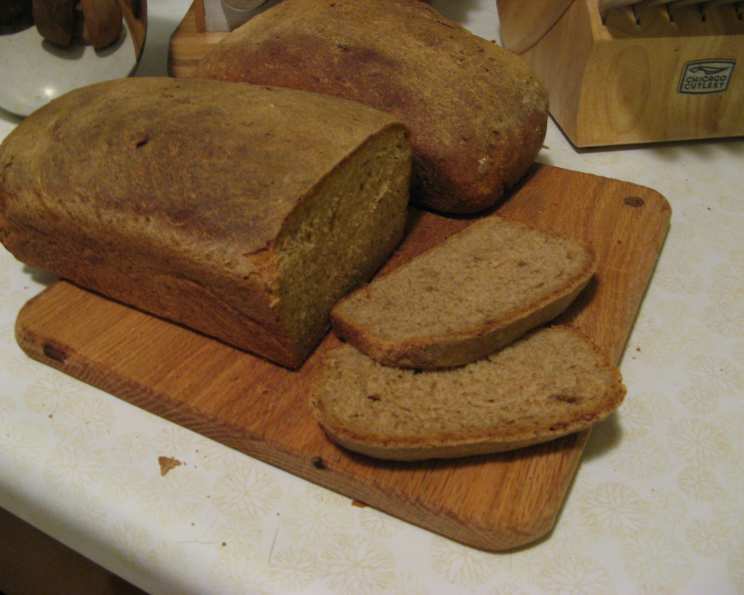
Blue Ribbon Winning Whole Barley Sandwich Bread (With Video!)
I remember the first time I tasted truly exceptional bread. It wasn’t in some fancy Parisian bakery, but at a small county fair. The aroma alone – a symphony of toasted grains and subtle sweetness – drew me in. One bite of that nutty, moist, and incredibly flavorful barley bread, and I was hooked. It sparked a years-long quest to recreate that perfect loaf, culminating in my own blue ribbon winner. This recipe is my tribute to that memory, and I’m so excited to share it with you!
Recipe Overview
- Prep Time: 3 hours 15 minutes (includes barley cooking and dough resting)
- Cook Time: 40-50 minutes
- Total Time: 4 hours 5 minutes
- Servings: 2 Loaves
- Yield: 2 Large Loaves or equivalent rolls/buns
- Dietary Type: Vegetarian
Ingredients
Cooked Barley:
- 1/3 cup pearl barley
- 4 cups water
Bread Mix:
- 3 1/2 cups whole wheat flour (sprouted, dried, and ground is best!)
- 2 1/2 cups bread flour
- 1/4 cup brown sugar
- 2 1/2 teaspoons salt
- 1/4 cup sesame seeds (optional, but highly recommended – see tips below)
- 1 1/2 tablespoons instant yeast (SAF Brand recommended)
- 3 tablespoons gluten (Bob’s Red Mill)
On Bread Baking Day:
- 1 batch of Whole Barley Bread Mix (from above)
- 1 batch of Cooked Barley (from above)
- 1 1/2 cups water (heated to 105 degrees F, very warm to the touch)
- 2 tablespoons olive oil
- 1 tablespoon molasses
- 2 tablespoons apple cider vinegar
- 1-2 cups bread flour (add as needed to form a dough that sticks together and not to the sides of the bowl)
- 1/2 cup sourdough starter (optional, but recommended for added tang and rise)
Equipment Needed
- Medium saucepan
- Measuring cups and spoons
- Stand mixer (optional, for kneading)
- Large mixing bowl or plastic container
- Cooking spray
- Loaf pans (2)
- Thermometer
Instructions
-
Cook the Barley: Combine the pearl barley and water in a medium saucepan. Bring to a simmer over medium heat. Cook for about 50 minutes, or until the barley is very soft and mushy, resembling oatmeal. Pre-cooked barley can be stored in the refrigerator for up to 3 days until you are ready to bake your bread.
-
Prepare the Bread Mix (Make-Ahead Step): In a large bowl, whisk together the whole wheat flour, bread flour, brown sugar, salt, sesame seeds, instant yeast, and gluten. Store the bread mix in an airtight container at room temperature for up to a month.
-
Combine Ingredients: In the mixing bowl of your stand mixer (or a large bowl if kneading by hand), combine one batch of the Whole Barley Bread Mix, one batch of the cooked barley, warm water, olive oil, molasses, and apple cider vinegar. If using, add the sourdough starter now.
-
Mix and Knead: Use a spoon or spatula to blend the ingredients until just combined. If using a stand mixer, attach the dough hook. Knead on medium speed for about 12 minutes, adding additional bread flour a little at a time until the dough starts to pull away from the sides of the bowl and forms a cohesive, slightly sticky mass. If kneading by hand, turn the dough out onto a lightly floured surface and knead for 15-20 minutes until smooth and elastic.
-
First Rise: Spray a large mixing bowl or plastic container with cooking spray. Place the dough in the bowl, spray the top of the dough with cooking spray (this prevents it from drying out), and cover. Let the dough rest on the counter for about 2 hours, or until doubled in size. Alternatively, you can refrigerate the dough for a longer, slower rise (8-12 hours).
-
Shape the Loaves: Flour your work surface and gently remove the dough from the rising container. Divide the dough in half. Working with one half at a time, shape it into a log by gently rolling the dough back and forth to smooth the edges as much as possible. Place each dough half into a greased loaf pan, pressing it down slightly to fill the pan evenly.
-
Second Rise: Cover the loaf pans with a clean kitchen towel or plastic wrap and let them sit in a warm place until the dough has doubled in size, about 1-1.5 hours.
-
Bake the Bread: Preheat your oven to 450 degrees F (232 degrees C). Place the bread into the oven and immediately turn the heat down to 400 degrees F (200 degrees C). Bake for 40-50 minutes, or until the loaves are golden brown and sound hollow when tapped on the bottom. For the best results, use an instant-read thermometer; the bread is done when the internal temperature reaches 195-200 degrees F (90-93 degrees C).
-
Cool and Enjoy: Remove the bread from the oven and let it cool in the loaf pans for 10 minutes before transferring it to a wire rack to cool completely. Slice and devour!
Expert Tips & Tricks
-
Sprouted Whole Wheat Flour: Using sprouted, dried, and ground whole wheat flour will enhance the flavor and digestibility of the bread. Look for it at natural food stores or online.
-
Soak the Barley: Soaking the barley for 12 hours before cooking in water with 1 teaspoon of apple cider vinegar can help to soften the grains and improve their digestibility.
-
Soak the Sesame Seeds: Soaking the sesame seeds for 12 hours prior to making the bread (add 1 teaspoon of apple cider vinegar to the soaking water) releases their flavor and improves their texture. It also makes the nutrients more bioavailable.
-
Sourdough Starter: Adding 1/2 cup of sourdough starter to the dough increases the acidity, contributes to a more complex flavor, and helps the bread rise. You may need to adjust the amount of bread flour if using sourdough starter.
-
Temperature is Key: Using an oven thermometer ensures that your oven is accurately heated. This is crucial for proper bread baking. The internal temperature of the bread is the ultimate indicator of doneness.
Serving & Storage Suggestions
This whole barley sandwich bread is incredibly versatile. Serve it warm with butter or as the foundation for your favorite sandwiches. It also makes fantastic toast.
Store the cooled bread in an airtight container at room temperature for up to 3 days, in the refrigerator for up to a week, or in the freezer for up to 3 months. To reheat, wrap the bread in foil and warm it in a 350 degrees F (175 degrees C) oven for 10-15 minutes, or until heated through. Slices can also be toasted.
Nutritional Information
(Estimated, per slice, based on 20 slices per recipe):
| Nutrient | Amount per Serving | % Daily Value |
|---|---|---|
| Calories | 202 kcal | 10% |
| Total Fat | 3.1g | 4% |
| Saturated Fat | 0.5g | 2% |
| Cholesterol | 0mg | 0% |
| Sodium | 296mg | 12% |
| Total Carbohydrate | 38.6g | 13% |
| Dietary Fiber | 3.8g | 15% |
| Sugars | 3.4g | 7% |
| Protein | 6g | 12% |
Variations & Substitutions
-
Rolls or Buns: Instead of shaping the dough into loaves, divide it into smaller pieces and shape them into rolls or hamburger buns. Adjust baking time accordingly.
-
Different Grains: While this recipe is specifically for barley bread, you could experiment with other cooked grains like quinoa or spelt. You may need to adjust the liquid content depending on the grain you choose.
-
Sweet Bread: Increase the amount of brown sugar to 1/2 cup and add 1/2 cup of chopped dried fruit (like raisins or cranberries) for a sweeter bread.
FAQs (Frequently Asked Questions)
Q: Why is it important to cook the barley before adding it to the bread dough?
A: Cooking the barley softens it, making it easier to incorporate into the dough and improving the overall texture of the bread. Cooked barley also adds moisture and a subtle sweetness.
Q: Can I use all bread flour instead of a combination of whole wheat and bread flour?
A: While you can, the whole wheat flour contributes to the nutty flavor and nutritional value of the bread. Using all bread flour will result in a lighter, less dense loaf.
Q: My dough isn’t rising. What could be the problem?
A: Several factors can affect dough rising, including the freshness of the yeast, the temperature of the water (too hot can kill the yeast), and the ambient temperature of your kitchen. Make sure your yeast is active, your water is warm (around 105 degrees F), and your kitchen is warm enough for the dough to rise properly.
Q: Can I freeze the bread dough after the first rise?
A: Yes, you can freeze the dough after the first rise. Punch down the dough, shape it into loaves, wrap them tightly in plastic wrap and then foil, and freeze for up to 3 months. Thaw overnight in the refrigerator before allowing it to rise again and baking as directed.
Q: What if I don’t have a stand mixer? Can I still make this bread?
A: Absolutely! You can knead the dough by hand on a lightly floured surface for 15-20 minutes, or until it becomes smooth and elastic. Hand kneading requires a bit more effort, but the results are just as delicious.
Final Thoughts
This blue ribbon-winning whole barley sandwich bread is more than just a recipe; it’s an experience. From the comforting aroma that fills your kitchen to the satisfying taste of freshly baked bread, every step is a celebration of simple, wholesome ingredients. I encourage you to try this recipe and share your creations with loved ones. And don’t be afraid to experiment with variations and substitutions to make it your own. I can’t wait to hear how it turns out!