
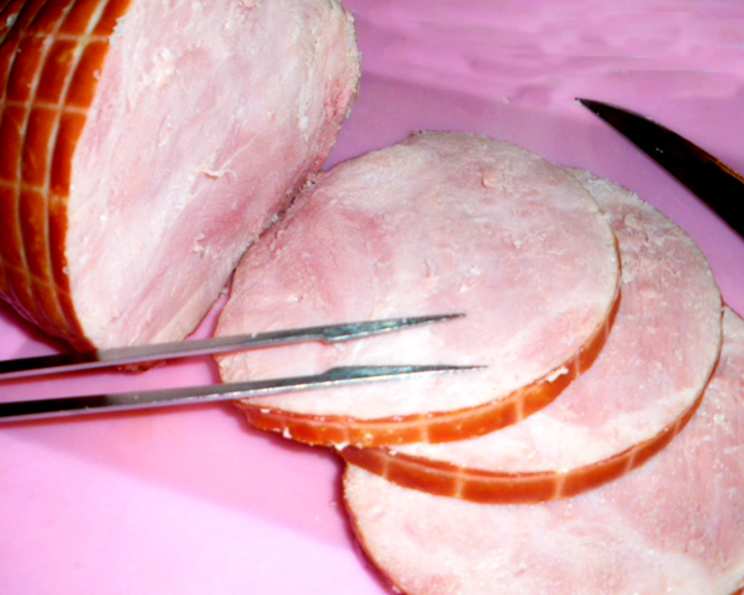
Perfectly Boiled Ham: A Timeless Classic
The memory of my grandmother’s boiled ham is etched in my mind. It wasn’t just a meal; it was an event. The aroma of simmering ham, mingling with subtle spices, filled her kitchen, promising comfort and a taste of home. The anticipation built as the hours passed, and finally, the moment arrived when the glistening ham was unveiled, ready to be sliced and savored. The taste? Pure nostalgia.
Recipe Overview
- Prep Time: 5 minutes (plus overnight soaking)
- Cook Time: Varies based on weight (approx. 20 minutes per pound)
- Total Time: Variable (including soaking and cooling time)
- Servings: 12 (dependent on ham size)
- Yield: 1 ham
- Dietary Type: Varies based on ham type (typically not gluten-free)
Ingredients
- 1 piece ham (smoked if you want a stronger flavour)
- 1 bouquet garni
- 2 small onions, peeled
- Water, enough to cover the ham completely
Equipment Needed
- Large cooking pot with a lid
- Large bowl
Instructions
-
The night before you plan to cook the ham, place it in a large bowl of cold water and allow it to soak overnight. This crucial step helps to draw out some of the excess salt and tenderize the meat, ensuring a more palatable final product.
-
The next day, drain the ham and place it in a large cooking pot. Ensure the pot is large enough to completely submerge the ham in water. The lid is essential, so double check you have one that fits snugly!
-
Cover the ham completely with cold water. Add the peeled onions and bouquet garni to the pot. These aromatics will infuse the ham with subtle flavors as it simmers.
-
Bring the water to a boil over medium-high heat. Once boiling, immediately turn the heat down to low, so the water is barely bubbling. It should be a gentle simmer, not a rolling boil.
-
Cover the pot with the lid. This helps maintain a consistent temperature and ensures even cooking.
-
Cook the ham for 20 minutes per pound of meat. This is a general guideline, and the exact cooking time will depend on the size and type of ham. For instance, a 5-pound ham would need to cook for approximately 1 hour and 40 minutes (100 minutes).
-
Once the cooking time is up, turn off the heat and leave the ham in the cooking liquid until it has cooled completely. This is a critical step that helps prevent the ham from tensing up and drying out. The slow cooling process allows the juices to redistribute throughout the meat, resulting in a more tender and flavorful ham. The ham can sit in the liquid for several hours to overnight.
-
Once cooled, remove the ham from the pot. It’s ready to slice and serve!
Expert Tips & Tricks
-
Choosing Your Ham: Opt for a bone-in ham for a richer, more intense flavor. Smoked hams provide a bolder taste, while unsmoked hams are milder. Consider your personal preference when selecting your ham.
-
Submerge Completely: Ensure the ham is fully submerged in the water throughout the cooking process. If necessary, weigh it down with a plate or a smaller pot to keep it submerged.
-
Don’t Overcook: Overcooking will result in a dry, tough ham. Use a meat thermometer to check the internal temperature if you’re unsure. The ham is cooked when it reaches an internal temperature of 145°F (63°C). Insert the thermometer into the thickest part of the ham, avoiding the bone.
-
Enhance the Flavor: For an extra layer of flavor, consider adding other aromatics to the cooking liquid, such as carrots, celery, peppercorns, or bay leaves.
-
Glazing Options: If desired, the boiled ham can be glazed after cooking. Score the ham in a diamond pattern, then brush with your favorite glaze (such as honey-mustard, brown sugar, or maple syrup). Bake in a preheated oven at 350°F (175°C) for 15-20 minutes, or until the glaze is bubbly and caramelized.
Serving & Storage Suggestions
Boiled ham is incredibly versatile and can be served in a variety of ways. Slice it thinly and serve it cold in sandwiches, salads, or charcuterie boards. Alternatively, serve it warm as a main course with side dishes like mashed potatoes, roasted vegetables, or scalloped potatoes.
Leftover boiled ham should be stored in an airtight container in the refrigerator. It will keep for 3-4 days. For longer storage, the ham can be frozen for up to 2-3 months. Wrap the ham tightly in plastic wrap and then in aluminum foil before freezing to prevent freezer burn.
To reheat leftover ham, slice it and warm it gently in a skillet over low heat. Alternatively, you can reheat it in the oven at 300°F (150°C) for about 10-15 minutes, or until heated through. Adding a splash of water or broth to the skillet or oven dish will help keep the ham moist.
Nutritional Information
(Estimated values, will vary based on specific ham and portion size)
| Nutrient | Amount per Serving | % Daily Value |
|---|---|---|
| Calories | 250 kcal | 13% |
| Total Fat | 12g | 18% |
| Saturated Fat | 4g | 20% |
| Cholesterol | 70mg | 23% |
| Sodium | 800mg | 33% |
| Total Carbohydrate | 2g | 1% |
| Dietary Fiber | 0g | 0% |
| Sugars | 1g | N/A |
| Protein | 30g | 60% |
Variations & Substitutions
- Flavor Infusions: Experiment with different herbs and spices in the bouquet garni to customize the flavor profile. Try adding thyme, rosemary, bay leaf, parsley, or even a few cloves.
- Liquid Variations: Substitute some of the water with apple cider, chicken broth, or even beer for a more complex flavor.
- Sweet and Savory: Consider adding a touch of sweetness to the cooking liquid with a drizzle of honey or maple syrup.
- Smoked vs. Unsmoked: Use an unsmoked gammon joint for a milder flavor or a smoked one for a more intense taste.
- Glaze it up! There are endless glaze recipes. Try honey-mustard, brown sugar and pineapple, or a tangy maple glaze.
FAQs (Frequently Asked Questions):
Q: Why do I need to soak the ham overnight?
A: Soaking the ham in cold water helps to draw out excess salt, resulting in a more palatable flavor and tender texture.
Q: How do I know when the ham is cooked?
A: The ham is cooked when it reaches an internal temperature of 145°F (63°C). Use a meat thermometer to check the temperature in the thickest part of the ham, avoiding the bone.
Q: Can I use a slow cooker instead of boiling the ham?
A: Yes, you can cook the ham in a slow cooker. Place the ham in the slow cooker, add the aromatics, and cover with water. Cook on low for 6-8 hours, or until the ham is cooked through.
Q: What can I do with the leftover cooking liquid?
A: Don’t discard the flavorful cooking liquid! It can be used as a base for soups, stews, or sauces. Strain the liquid to remove any solids before using.
Q: Can I freeze boiled ham?
A: Yes, boiled ham can be frozen for up to 2-3 months. Wrap the ham tightly in plastic wrap and then in aluminum foil before freezing to prevent freezer burn. Thaw it completely in the refrigerator before reheating.
Final Thoughts
Boiled ham is a true culinary classic, a testament to simple ingredients and thoughtful preparation. This recipe, passed down through generations (at least in my imagination!), offers a deeply satisfying and comforting meal. Don’t be afraid to experiment with different flavor combinations and variations to create your own signature boiled ham. Whether you’re serving it for a holiday gathering or a simple weeknight dinner, this dish is sure to impress. So, grab your ingredients, gather your family, and get ready to experience the timeless pleasure of perfectly boiled ham. I would love to hear about your own experiences!