
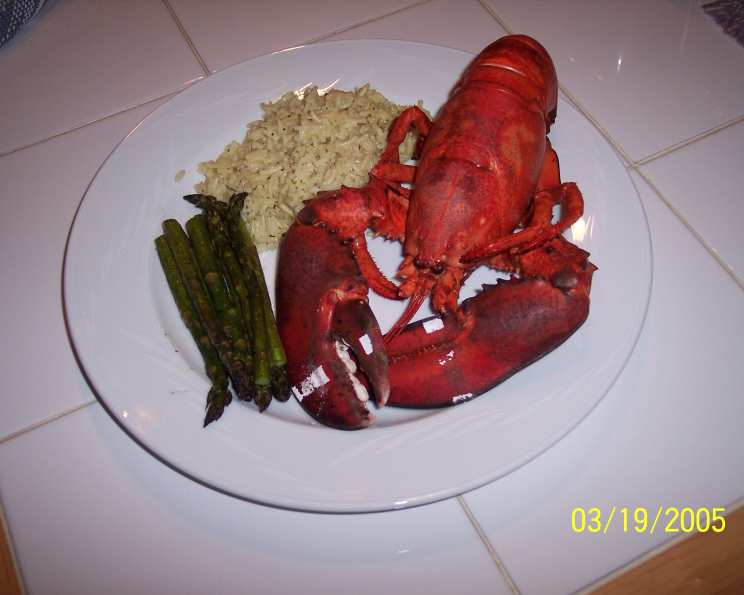
Boiled Maine Lobster: A Classic Culinary Experience
My earliest memories of Maine summers are inextricably linked to the sweet, briny aroma of lobster boiling on the stovetop. The entire house would fill with anticipation, and the simple ritual of cracking open those crimson shells with family remains a cherished experience. The clatter of silverware, the satisfying snap of the claws, and the communal silence as we savored each succulent bite – that’s Maine to me. It’s a taste of home I can recreate anywhere, and I’m excited to share this incredibly simple, yet deeply satisfying method with you.
Recipe Overview
- Prep Time: 5 minutes
- Cook Time: 15 minutes
- Total Time: 20 minutes
- Servings: 4
- Yield: 4 lobsters
- Dietary Type: Pescatarian
Ingredients
- 4 (1 1/4 lb) lobsters
- Sea salt
- 1 gallon water
- 1 lb butter, melted
Equipment Needed
- Large stockpot
- Tongs
- Nutcracker (optional, but helpful)
- Small bowls for melted butter
Instructions
-
In a large stockpot, bring 1 gallon of water to a roiling boil. Generously season the water with sea salt. The water should taste like the ocean; don’t be shy with the salt. This is crucial for seasoning the lobster from the inside out.
-
Once the water is at a vigorous boil, carefully place the lobsters into the pot head first, using tongs. Adding them headfirst ensures they cook quickly and evenly.
-
Immediately cover the pot tightly. The lobsters need to be submerged in boiling water to cook properly.
-
Cook the lobsters for 15 minutes. This cooking time is based on 1 1/4 lb lobsters. If your lobsters are larger, you’ll need to add a few minutes to the cooking time. A general rule of thumb is to cook lobsters for 10 minutes per pound for the first pound, then 3 minutes per pound thereafter.
-
After 15 minutes, check the lobsters for doneness. The shells should be bright red. The most reliable way to check is to insert an instant-read thermometer into the thickest part of the tail. It should register 140°F. The antennae should also pull out easily.
-
Remove the lobsters from the pot using tongs and place them on a platter. Let them cool slightly before handling.
-
Serve the lobsters immediately with melted butter for dipping.
-
Now for the fun part: eating! Twist off the claws. Crack each claw with a nutcracker or lobster cracker.
-
Separate the tail piece from the body. Bend back and break the flippers off the tail piece. Insert a fork where the flippers have been broken off and push out the meat.
-
Separate the back from the body. Open the remaining part of the body by cracking apart sideways. Don’t discard this section; there is some delicious meat hidden within the crevices.
-
The small claws are often overlooked, but they are excellent eating! The meat can be sucked out like sipping through a straw.
Expert Tips & Tricks
- Salting the Water: Don’t underestimate the importance of heavily salting the water. It’s the primary way to season the lobster meat.
- Preventing Overcooking: Overcooked lobster is tough and rubbery. Keep a close eye on the cooking time and use a thermometer to ensure it’s cooked perfectly.
- Steaming vs. Boiling: While this recipe focuses on boiling, steaming is another popular method. Steaming can result in slightly more tender meat, as it avoids direct contact with the water. To steam, use about 2 inches of water in the bottom of the pot and cook covered until done, adjusting the cooking time slightly upwards.
- Enhance the Flavor of the Broth: You can add aromatics to the boiling water, such as bay leaves, peppercorns, lemon slices, or even some Old Bay seasoning, to infuse the lobster with extra flavor.
- Chilling Lobster: If you plan to make lobster rolls or other cold dishes, plunge the cooked lobster into an ice bath immediately after cooking to stop the cooking process and keep the meat firm.
Serving & Storage Suggestions
Serve your boiled Maine lobster immediately for the best flavor and texture. Present each lobster on a plate with a small bowl of melted butter. A side of lemon wedges is also a classic accompaniment. Corn on the cob, coleslaw, and potato salad are traditional sides that complement the rich flavor of the lobster.
Leftover lobster meat can be stored in an airtight container in the refrigerator for up to 2 days. To reheat, gently steam the lobster meat or add it to soups, stews, or pasta dishes. Avoid microwaving, as it can make the meat tough. Lobster meat can also be frozen for up to 2 months. Thaw it overnight in the refrigerator before using.
Nutritional Information
| Nutrient | Amount per Serving | % Daily Value |
|---|---|---|
| Calories | 1324.5 kcal | N/A |
| Calories from Fat | 874 g | 66% |
| Total Fat | 97.2 g | 149% |
| Saturated Fat | 59.3 g | 296% |
| Cholesterol | 783.1 mg | 261% |
| Sodium | 2352.2 mg | 98% |
| Total Carbohydrate | 2.9 g | 0% |
| Dietary Fiber | 0 g | 0% |
| Sugars | 0.1 g | 0% |
| Protein | 107.7 g | 215% |
Note: Nutritional information is an estimate and may vary based on specific ingredients and portion sizes.
Variations & Substitutions
- Garlic Butter: Infuse the melted butter with minced garlic for a more flavorful dipping sauce.
- Herb Butter: Add chopped fresh herbs like parsley, thyme, or chives to the melted butter.
- Spicy Butter: Add a pinch of red pepper flakes or a dash of hot sauce to the melted butter for a little kick.
- Lobster Mac and Cheese: Use leftover lobster meat to make a decadent lobster mac and cheese.
- Lobster Rolls: Combine chilled lobster meat with mayonnaise, celery, and seasonings for a classic lobster roll.
- Lobster Bisque: Use the lobster shells to make a rich and flavorful lobster bisque.
FAQs (Frequently Asked Questions)
Q: How do I know if my lobster is fresh?
A: Look for lobsters that are lively and active in the tank. They should have a hard shell and a good weight for their size. Avoid lobsters that appear sluggish or have damaged shells.
Q: Can I use frozen lobster for this recipe?
A: While fresh lobster is always preferable, you can use frozen lobster tails. Thaw them completely before cooking and reduce the cooking time accordingly.
Q: How do I humanely kill a lobster?
A: The most humane method is to quickly pierce the lobster behind the head with a sharp knife to sever the nerve cord. This should be done immediately before cooking. Some also recommend placing the lobster in the freezer for 15-20 minutes to numb it slightly before cooking.
Q: What should I do with the lobster shells after eating?
A: Don’t throw them away! Lobster shells can be used to make a flavorful seafood stock or broth. Simply simmer the shells in water with aromatics like onions, carrots, and celery.
Q: Is it safe to eat the green tomalley or the red roe?
A: The green tomalley (the lobster’s liver) is considered a delicacy by some, but it can contain toxins. The red roe (the lobster’s eggs) is also edible and considered a delicacy when cooked. However, it’s best to consume these in moderation.
Final Thoughts
Boiling Maine lobster is more than just a recipe; it’s an experience. It’s about connecting with the bounty of the sea, sharing a meal with loved ones, and creating lasting memories. Don’t be intimidated by the simplicity of this recipe. The key is to use fresh, high-quality lobsters and to cook them perfectly. I encourage you to try this classic dish and to let the natural flavor of the lobster shine. Share your creations with me and let me know what variations you try! Pair it with a crisp white wine or a cold local beer for the ultimate Maine experience. Enjoy!