
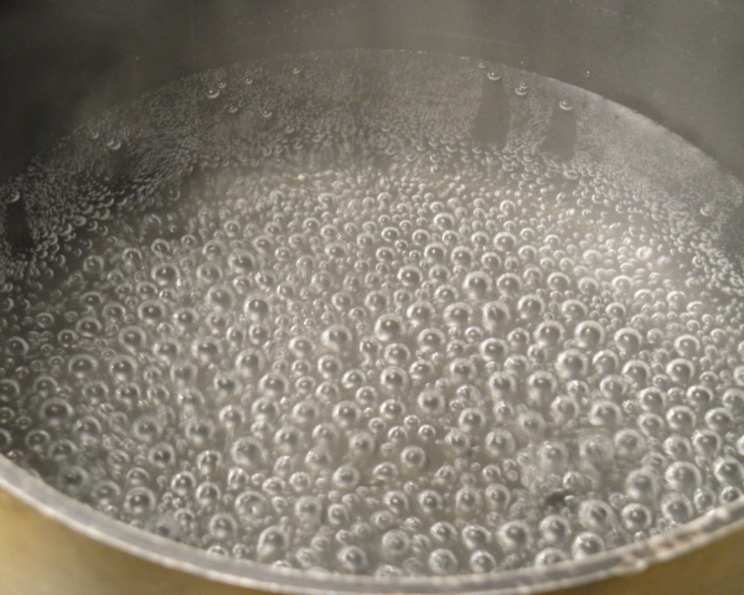
The Ultimate Guide to Boiled Water: A Culinary Masterpiece
The memory still makes me chuckle. My first “grown-up” dinner party, fresh out of culinary school, and I was determined to impress. I’d meticulously planned a five-course meal, sourcing the finest ingredients. Yet, in my frantic preparations, I somehow managed to completely scorch a pot of water, leaving a crust of minerals so thick it looked like geological strata. Mortified, I salvaged what I could, learned a valuable lesson about paying attention, and have never taken the seemingly simple act of boiling water for granted since.
Recipe Overview
- Prep Time: 1 minute
- Cook Time: 10 minutes
- Total Time: 11 minutes
- Servings: 3
- Yield: 3 cups
- Dietary Type: Vegan, Gluten-Free, Dairy-Free, Paleo, Keto
Ingredients
- 2 cups water
- 1 cup ice cube
Equipment Needed
- Pot (large enough to hold 3 cups of water without boiling over)
- Stovetop burner
Instructions
- Place the water in a pot large enough to hold 3 cups without risk of boiling over. This is crucial to prevent any stovetop messes! A medium saucepan usually works well.
- Add the ice cubes to the water. This step might seem counterintuitive, but it’s important for reasons we’ll discuss later.
- Turn the burner on to high heat. We want to bring the water to a boil as efficiently as possible.
- Bring the water to a rolling boil. A “rolling boil” means vigorous bubbling that cannot be stirred down. It’s important to reach this stage to ensure proper water transformation.
- Remove the pot from the burner. Carefully take the pot off the hot burner, using pot holders to protect your hands.
- Turn the burner off. Safety first! Always make sure the burner is switched off after you’re done cooking.
- Use immediately or you will have to repeat the recipe. Boiled water, like all perishable goods, has a limited shelf life, especially when ice has been added.
Expert Tips & Tricks
- Pot Watching: While the recipe jokingly advises against watching the pot, a little monitoring is wise, especially when first attempting the recipe. Observe how quickly the water heats up on your specific stove and adjust the heat accordingly if needed.
- Ice Cube Purpose: Adding ice may seem contradictory, but it lowers the initial water temperature, potentially leading to a more “pure” boiling experience (theoretically). Some believe this results in slightly less mineral scaling. You can experiment with or without ice to discern if there’s a difference in taste or clarity to you.
- High Altitude Adjustments: At higher altitudes, water boils at a lower temperature. Therefore, you may reach a rolling boil faster. Keep a closer eye on the pot in these circumstances.
- Mineral Content: The type of water used drastically impacts the flavor of boiled water. Filtered water produces the cleanest taste. Hard water will often leave mineral deposits in the pot.
- Covered vs. Uncovered: Boiling water with a lid on will speed up the process, but it can also increase the risk of boiling over. Use caution.
Serving & Storage Suggestions
Boiled water is incredibly versatile. Serve it immediately for:
- Tea: The foundation of countless comforting beverages.
- Coffee: Essential for brewing your daily cup.
- Ramen: The perfect broth for instant noodles.
- Rehydrating Dried Foods: A crucial step in many backpacking meals.
If not using immediately, allow the boiled water to cool completely before storing it in a clean, airtight container in the refrigerator. While boiling eliminates many impurities, refrigeration prevents further bacterial growth. Properly stored, boiled water can last for up to 3 days in the fridge.
Nutritional Information
| Nutrient | Amount per Serving | % Daily Value |
|---|---|---|
| Calories | 0 kcal | 0% |
| Total Fat | 0 g | 0% |
| Saturated Fat | 0 g | 0% |
| Cholesterol | 0 mg | 0% |
| Sodium | Trace | 0% |
| Carbohydrate | 0 g | 0% |
| Fiber | 0 g | 0% |
| Sugar | 0 g | 0% |
| Protein | 0 g | 0% |
Note: Nutritional information can vary depending on the source of the water and any dissolved minerals.
Variations & Substitutions
- Flavored Water: Infuse the boiling water with slices of lemon, cucumber, or fresh herbs like mint or rosemary for a refreshing twist.
- Sparkling Water: After boiling and cooling, use a carbonation device to create sparkling water.
- Distilled Water: While this recipe uses standard tap or filtered water, distilled water can also be boiled. Be aware that distilled water lacks minerals, which some find makes it taste “flat”.
- Herbal Teas: Boil water and then steep various herbs like chamomile, lavender, or peppermint for calming and flavorful herbal teas. Adjust steeping time to desired strength.
FAQs (Frequently Asked Questions)
Q: Can I use the microwave to boil water?
A: Yes, you can boil water in the microwave, but it can be uneven and potentially dangerous (superheating). Use a microwave-safe container and heat in short intervals, stirring in between.
Q: Why does my boiled water sometimes taste different?
A: The taste of boiled water is largely influenced by the minerals present in the water source. Filtered water generally has a cleaner taste than tap water.
Q: How long does boiled water stay sterile?
A: Boiled water is considered sterile immediately after boiling. However, once it cools, it’s susceptible to contamination from the air and its container, so refrigerate for longer storage.
Q: Can I reboil water?
A: Reboiling water isn’t generally recommended, as it can concentrate minerals and potentially change the taste. It’s best to use fresh water each time you boil.
Q: Does boiling water remove all impurities?
A: Boiling water effectively kills most bacteria and viruses. However, it doesn’t remove all impurities, such as heavy metals or chemicals. Filtering the water before boiling is advisable for better purity.
Final Thoughts
So, there you have it – a comprehensive guide to the surprisingly nuanced art of boiling water! While seemingly simple, mastering this fundamental culinary skill opens doors to countless delicious possibilities. Whether you’re brewing a soothing cup of tea, preparing a quick ramen lunch, or simply need clean water for cooking, remember that even the most basic tasks deserve our attention and appreciation. Don’t hesitate to experiment with variations, add your own personal touch, and most importantly, enjoy the process!