
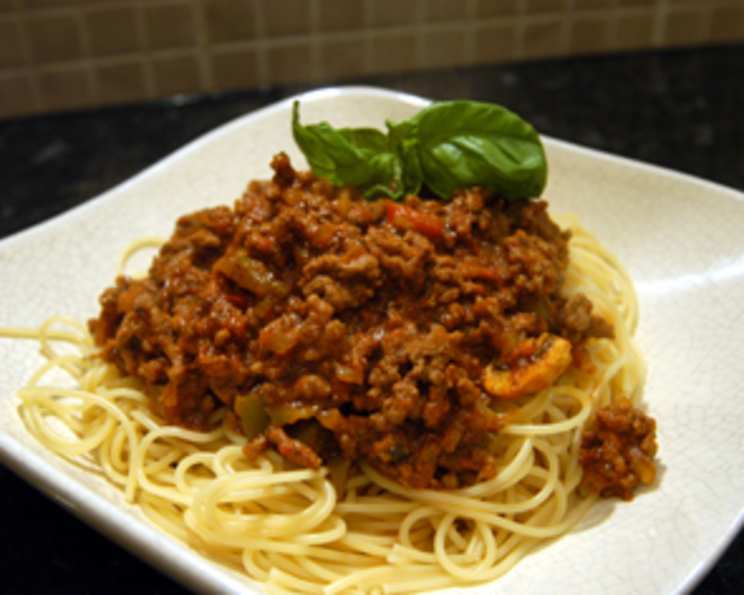
The Heart of Italian Cooking: Mastering Bolognese Sauce
My earliest memory of truly understanding the power of food was during a family trip to Italy. I was a picky eater then, but the aroma wafting from a tiny trattoria in Bologna pulled me in like a magnet. The Nonna behind the counter, with flour dusting her apron, offered me a taste of her Bolognese. That rich, deeply flavored sauce, clinging lovingly to perfectly cooked pasta, was a revelation. It wasn’t just food; it was history, love, and a legacy simmered down to its very essence. From that moment on, I was hooked, forever chasing that perfect Bolognese experience.
Recipe Overview
- Prep Time: 15 minutes
- Cook Time: 1 hour 30 minutes
- Total Time: 1 hour 45 minutes
- Servings: 6-8
- Yield: Approximately 6 cups
- Dietary Type: Not specified in source (Typically contains meat)
Ingredients
- Salt
- Pepper
- 2 shallots, chopped
- 4 cloves garlic, minced
- 4 tablespoons extra virgin olive oil
- 1 1/2 lbs lean ground beef
- 1 (28 ounce) jar canned tomatoes
- 1 (5 1/2 ounce) can tomato paste
- 2 teaspoons oregano
- 2 teaspoons basil
- 2 teaspoons fresh parsley (optional)
- 4 large mushrooms, sliced (optional)
Equipment Needed
- Large pot
Instructions
-
In a large pot, heat the olive oil over low heat. It’s crucial to start with low heat to gently coax the flavors from the aromatics without burning them.
-
Add the chopped shallots and minced garlic to the pot. Sauté them until they become transparent and fragrant, which typically takes about 5-7 minutes. Stir frequently to prevent browning. This step is the foundation of the sauce’s flavor, so don’t rush it!
-
Add the ground beef to the pot. Use a wooden spoon to break it up into smaller pieces. Stir the beef until it is browned and well separated. Ensure there are no large clumps of meat remaining. Drain any excess fat from the pot after browning for a leaner sauce.
-
Season the browned beef with salt and pepper to taste. Remember that you can always add more seasoning later, but it’s difficult to correct over-seasoning. Taste as you go!
-
Add the canned tomatoes, oregano, basil, optional sliced mushrooms, optional chopped parsley, and tomato paste to the pot. Break up the tomatoes with your spoon if they are whole or large chunks. The tomato paste will add richness and depth to the sauce.
-
Bring the sauce to a boil over medium heat. Once boiling, immediately reduce the heat to low, cover the pot, and allow the sauce to simmer.
-
Continue to simmer the sauce until it thickens to your desired consistency. This usually takes about 1 hour to 1 hour 30 minutes. Stir occasionally to prevent sticking and burning. The longer the sauce simmers, the richer and more complex the flavor will become. Taste and adjust seasonings as needed during the simmering process. The sauce is ready when it coats the back of a spoon.
Expert Tips & Tricks
- Enhance the Depth of Flavor: For an even richer and more complex flavor, consider adding a splash of dry red wine after browning the beef. Allow the wine to reduce slightly before adding the tomatoes and other ingredients.
- The Secret Ingredient: A small amount of grated Parmesan cheese rind (about 1 inch) added during the simmering process can impart a subtle umami flavor. Remove the rind before serving.
- Texture Perfection: If you prefer a smoother sauce, use an immersion blender to partially blend the Bolognese after simmering. Be careful not to over-blend, as you want to retain some texture.
- Make-Ahead Magic: Bolognese sauce is even better the next day! The flavors meld and deepen overnight in the refrigerator. Prepare it a day in advance for maximum flavor impact.
- Freezing for Future Feasts: Bolognese sauce freezes beautifully. Divide the cooled sauce into freezer-safe containers or bags, leaving some space for expansion. It will keep in the freezer for up to 3 months. Thaw overnight in the refrigerator before reheating.
Serving & Storage Suggestions
Serve the Bolognese sauce over your favorite pasta. Traditional pairings include tagliatelle, pappardelle, or rigatoni. Garnish with freshly grated Parmesan cheese and a sprinkle of fresh parsley (if not already added to the sauce). A side of crusty bread is perfect for soaking up the delicious sauce.
Leftover Bolognese sauce can be stored in an airtight container in the refrigerator for up to 3-4 days. Ensure the sauce is completely cooled before refrigerating.
To reheat, gently warm the sauce in a saucepan over low heat, stirring occasionally, until heated through. You may need to add a splash of water or broth if the sauce has thickened too much during storage.
Nutritional Information
| Nutrient | Amount per Serving | % Daily Value |
|---|---|---|
| Calories | 331.2 kcal | N/A |
| Calories from Fat | N/A | 56% |
| Total Fat | 20.7 g | 31% |
| Saturated Fat | 5.9 g | 29% |
| Cholesterol | 73.7 mg | 24% |
| Sodium | 472.3 mg | 19% |
| Total Carbohydrate | 12.1 g | 4% |
| Dietary Fiber | 2.5 g | 9% |
| Sugars | 6.4 g | N/A |
| Protein | 25.2 g | 50% |
(Note: % Daily Value is based on a 2000 calorie diet. Nutritional information is an estimate and may vary based on specific ingredients and portion sizes.)
Variations & Substitutions
- Vegetarian Bolognese: Substitute the ground beef with crumbled plant-based meat alternatives or a combination of finely chopped vegetables like carrots, celery, and zucchini.
- Spicy Bolognese: Add a pinch of red pepper flakes or a finely chopped chili pepper to the sauce during the simmering process for a spicy kick.
- Creamy Bolognese: Stir in a dollop of heavy cream or crème fraîche towards the end of the simmering process for a richer, creamier sauce.
- Wine Infusion: As mentioned earlier, add dry red wine (such as Chianti or Cabernet Sauvignon) after browning the beef for a deeper, more complex flavor profile.
- Herb Variations: Experiment with different herbs like thyme, rosemary, or marjoram to customize the flavor of your Bolognese sauce.
FAQs (Frequently Asked Questions)
Q: Can I use ground turkey or chicken instead of ground beef?
A: Yes, you can substitute ground turkey or chicken for a leaner version. However, be aware that the flavor and texture will be slightly different.
Q: How do I prevent the sauce from sticking to the bottom of the pot?
A: Stir the sauce occasionally during the simmering process, especially as it thickens. Using a heavy-bottomed pot can also help prevent sticking.
Q: What if my sauce is too acidic?
A: Add a pinch of sugar to the sauce to balance the acidity. A small amount of butter or cream can also help mellow the acidity.
Q: Can I make Bolognese sauce in a slow cooker?
A: Yes, you can adapt this recipe for a slow cooker. Brown the beef and sauté the shallots and garlic as instructed, then transfer all the ingredients to the slow cooker. Cook on low for 6-8 hours.
Q: What kind of tomatoes should I use?
A: Canned crushed tomatoes, diced tomatoes, or whole peeled tomatoes (crushed by hand) all work well. San Marzano tomatoes are considered the gold standard for their sweetness and low acidity.
Final Thoughts
Now that you have the secret to a truly remarkable Bolognese sauce, I encourage you to step into your kitchen and create your own version of this classic dish. Don’t be afraid to experiment with different variations and substitutions to find your perfect Bolognese. Share your creation with loved ones, and remember that the best dishes are always made with love and a little bit of patience. Buon appetito!