
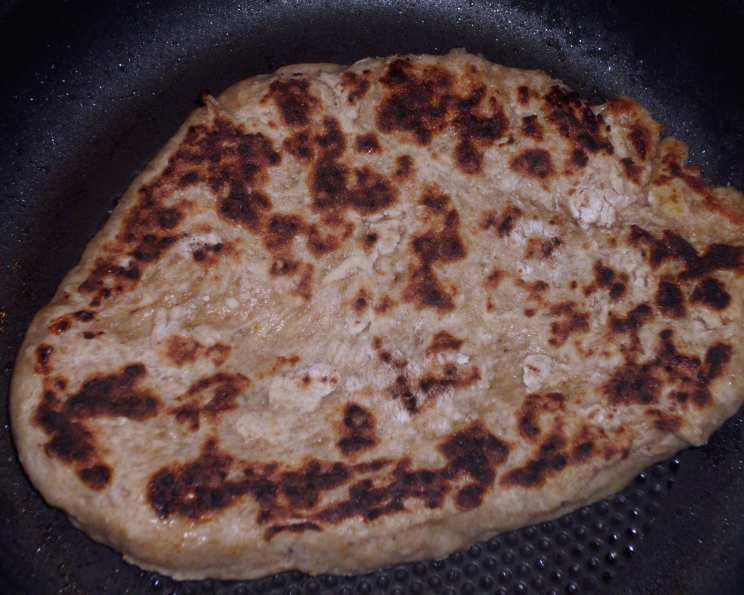
Bombay Naan (OAMC)
The memory is as vivid as the spices themselves. I was barely ten, huddled around a makeshift tandoor oven at a bustling street food stall in Mumbai. The air, thick with the aroma of grilling meats and simmering curries, hummed with the energy of a thousand conversations. The naan wallah, a man whose hands moved with the grace of a seasoned artist, deftly slapped the dough against the scorching clay walls. Moments later, he pulled out perfectly puffed, golden-brown naan, each one a blank canvas ready to soak up the rich flavors of the city. Even then, I knew this simple bread held a magic all its own.
Recipe Overview
- Prep Time: 20 minutes
- Cook Time: 8-10 minutes per batch
- Total Time: Approximately 1 hour (including resting)
- Servings: 8 rounds
- Yield: 8 naan
- Dietary Type: Vegetarian
Ingredients
- 3 cups all-purpose flour
- 1 teaspoon salt
- ¾ teaspoon baking soda
- ½ teaspoon baking powder
- 1 ½ cups plain yogurt
- Vegetable oil, for frying
Equipment Needed
- Large mixing bowl
- Measuring cups and spoons
- Lightly floured surface
- Rolling pin
- 5-6 inch bowl or cookie cutter
- Heavy large skillet
Instructions
-
In a large mixing bowl, sift together the all-purpose flour, salt, baking soda, and baking powder. Sifting ensures that these dry ingredients are evenly distributed, which is crucial for the naan to rise properly and have a consistent texture.
-
Gradually stir in the plain yogurt until a soft dough forms. Be careful not to add all the yogurt at once; the amount needed may vary depending on the humidity and the flour you are using. The dough should be soft but not too sticky. If it’s too sticky, add a little more flour, a tablespoon at a time.
-
Turn the dough out onto a lightly floured surface. This prevents the dough from sticking and makes it easier to work with.
-
Using a rolling pin, roll the dough to a thickness of approximately 1/8 inch. Aim for an even thickness to ensure the naan cooks uniformly.
-
Use a 5-6 inch bowl or cookie cutter to cut out rounds from the dough. These will be your individual naan.
-
Reroll the scraps of dough if necessary to make additional rounds. You want to use up all the dough to minimize waste.
-
Heat a heavy large skillet over medium heat and add some vegetable oil. The skillet needs to be hot enough to cook the naan quickly and evenly, but not so hot that it burns them. The oil prevents the naan from sticking and helps them develop a golden-brown color.
-
Add the dough rounds to the skillet in batches, being careful not to crowd the pan. Overcrowding will lower the temperature of the skillet and cause the naan to steam instead of fry properly.
-
Cook the naan until they are lightly browned on both sides, turning them often. This should take approximately 8-10 minutes per batch. The key is to monitor the color and adjust the heat as needed to prevent burning. The naan should puff up slightly as they cook.
Expert Tips & Tricks
-
Yogurt Consistency Matters: Use full-fat plain yogurt for the best flavor and texture. If your yogurt is very watery, strain it through cheesecloth for a couple of hours to remove excess liquid. This will help the dough be less sticky.
-
Don’t Overwork the Dough: Overworking the dough will result in tough naan. Mix the ingredients until just combined, and avoid kneading for too long.
-
Resting the Dough: While this recipe doesn’t call for a long resting time, letting the dough rest for 15-20 minutes after mixing can improve its elasticity and make it easier to roll out.
-
Heat Control is Key: Maintaining a consistent medium heat is crucial for achieving the perfect golden-brown color and preventing the naan from burning.
-
Brushing with Ghee: For an extra layer of flavor and richness, brush the cooked naan with melted ghee (clarified butter) immediately after removing them from the skillet.
-
Freezing for Later: To prepare ahead, cook the naan as instructed, let them cool completely, and then stack them between sheets of parchment paper. Place them in a freezer-safe bag or container and freeze for up to 2 months. Reheat in a warm oven (300°F) until heated through.
Serving & Storage Suggestions
Serve your homemade Bombay Naan warm, ideally straight from the skillet. They are the perfect accompaniment to curries, stews, and grilled meats. You can also use them as a wrap for sandwiches or as a base for mini pizzas. Leftover naan can be stored in an airtight container at room temperature for up to 2 days or in the refrigerator for up to 4 days. To reheat, warm them in a dry skillet, microwave them briefly, or toast them lightly. For optimal flavor and texture, consume them as soon as possible.
Nutritional Information
Note: Nutritional information is an estimate and may vary based on specific ingredients and serving sizes.
| Nutrient | Amount per Serving | % Daily Value |
|---|---|---|
| Calories | 250 kcal | 13% |
| Total Fat | 5g | 8% |
| Saturated Fat | 2g | 10% |
| Cholesterol | 5mg | 2% |
| Sodium | 400mg | 17% |
| Total Carbohydrate | 45g | 15% |
| Dietary Fiber | 2g | 8% |
| Sugars | 3g | – |
| Protein | 7g | 14% |
Variations & Substitutions
-
Whole Wheat Naan: Substitute up to half of the all-purpose flour with whole wheat flour for a nuttier flavor and increased fiber content.
-
Garlic Naan: Add 1-2 cloves of minced garlic to the dough for a fragrant and flavorful variation. You can also brush the cooked naan with garlic-infused ghee.
-
Cilantro Naan: Mix in a handful of chopped fresh cilantro into the dough for a vibrant and aromatic twist.
-
Spiced Naan: Add a pinch of your favorite spices, such as cumin, coriander, or garam masala, to the dough for a unique flavor profile.
-
Gluten-Free Naan: Experiment with gluten-free flour blends, but be aware that the texture may be slightly different. You may need to adjust the amount of liquid to achieve the desired dough consistency.
-
Dairy-Free Naan: Use a plant-based yogurt alternative, such as soy yogurt or coconut yogurt, to make this recipe dairy-free.
FAQs (Frequently Asked Questions)
Q: Why is my naan tough and not soft?
A: Overworking the dough is a common culprit. Also, ensure you’re not using too much flour, which can dry out the dough. Gently mix the ingredients until just combined.
Q: Can I use self-rising flour instead of all-purpose flour, baking soda, and baking powder?
A: While you can, the results may vary slightly. Self-rising flour already contains leavening agents, so you may need to adjust the amount of yogurt accordingly.
Q: How do I prevent the naan from sticking to the skillet?
A: Make sure the skillet is well-oiled and heated properly before adding the dough rounds. Use a heavy-bottomed skillet for even heat distribution.
Q: Can I bake the naan in the oven instead of frying them on the stovetop?
A: Yes, you can bake them in a very hot oven (around 450°F or 232°C) on a baking stone or baking sheet. Brush them with oil before baking for best results.
Q: My naan is not puffing up. What am I doing wrong?
A: Ensure your baking soda and baking powder are fresh. Also, the skillet needs to be hot enough to create steam and cause the naan to puff up.
Final Thoughts
I hope this recipe inspires you to create your own batch of delicious Bombay Naan. Don’t be intimidated by the simplicity of the ingredients – with a little practice and a dash of patience, you’ll be able to recreate the authentic flavors of Mumbai right in your own kitchen. Feel free to experiment with different variations and spices to personalize your naan. And most importantly, share your creations with loved ones and savor the joy of homemade bread. Pair these with a vibrant palak paneer and a cool glass of mango lassi for the complete Indian experience!