
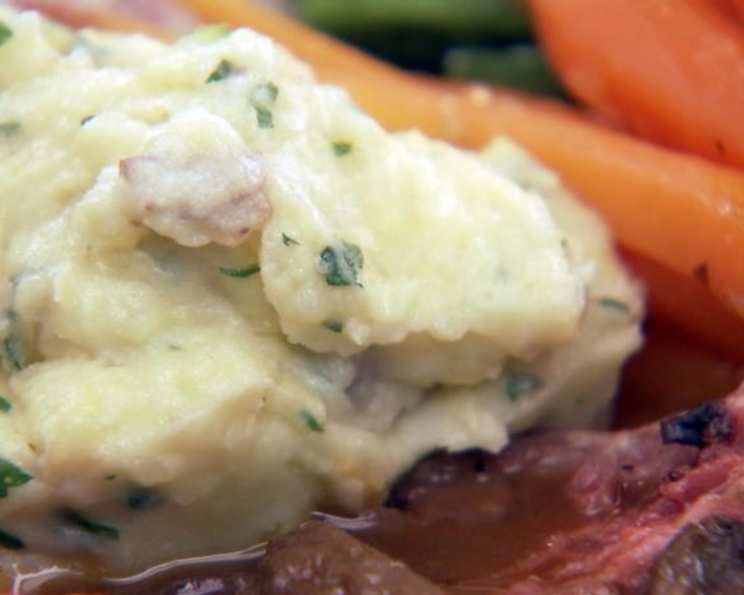
Bone Marrow Mash: A Culinary Revelation
The first time I tasted bone marrow, it was a revelation. I was a young line cook, toiling away in a bustling Parisian bistro, when the chef, a gruff but secretly kind man named Antoine, handed me a roasted bone, glistening with rendered fat. He simply said, “Essayez, mon ami. C’est le beurre du boucher.” (Try it, my friend. It’s the butcher’s butter.) The richness, the depth of flavor, the sheer unctuousness… it was unlike anything I’d ever experienced. Antoine’s words have always stayed with me, and from that moment, I was determined to find new and exciting ways to incorporate this incredible ingredient into my cooking. This Bone Marrow Mash is a direct result of that culinary epiphany, bringing that same decadent experience to the humble, comforting classic of mashed potatoes.
Recipe Overview
- Prep Time: 15 minutes
- Cook Time: 40 minutes
- Total Time: 55 minutes
- Servings: 4-6
- Yield: About 6 cups
- Dietary Type: Not suitable for vegetarians
Ingredients
- 6 center-cut beef bones with marrow, about 3-inches long
- Salt, to taste
- 6 Yukon Gold potatoes, skin on
- ½ cup melted butter
- ½ cup heavy cream
- ½ cup fresh flat-leaf parsley, chopped
- Fresh ground pepper, to taste
Equipment Needed
- Baking sheet
- Large pot
- Potato masher or ricer
Instructions
-
Preheat your oven to 350 degrees F (175 degrees C). This moderate temperature ensures the marrow renders slowly and evenly, developing its rich, nutty flavor without burning.
-
Place the beef bones, cut-side up, onto a baking sheet. Make sure they are stable and won’t tip over during cooking. Roasting them cut-side up allows the marrow to render and become easily accessible.
-
Cook the marrow until it is soft and slightly separating from the bone, about 15 minutes. Keep a close eye on the bones; you want the marrow to be fully rendered and yielding, but not completely melted away. The edges should be lightly browned.
-
While the marrow is roasting, prepare the potatoes. Fill a large pot with salted water. The salt seasons the potatoes from the inside out, enhancing their flavor.
-
Bring the salted water to a boil. Add the Yukon Gold potatoes (skin on) to the boiling water.
-
Let the potatoes cook until they are soft and easily pierced with a fork, about 25 minutes. Cooking them with the skin on adds a rustic texture and preserves more of their nutrients.
-
Remove the marrow bones from the oven and set them aside to cool slightly. Be careful, as the bones will be hot.
-
Drain the potatoes thoroughly. Removing excess water is crucial for achieving a fluffy, not soggy, mash.
-
Add the melted butter and heavy cream to the drained potatoes.
-
Mash the potatoes, butter, and cream until smooth and creamy. You can use a potato masher for a slightly chunkier texture or a ricer for an ultra-smooth consistency. Be careful not to over-mash, as this can result in gluey potatoes.
-
Using a small spoon or knife, carefully scoop out the marrow from the roasted bones. Make sure to gather any flavorful juices that have accumulated in the bone cavity, as these are liquid gold.
-
Add the scooped marrow and its juices to the mashed potatoes.
-
Add the chopped fresh parsley to the mash.
-
Season the Bone Marrow Mash generously with salt and freshly ground pepper to taste. Don’t be shy with the seasoning; bone marrow is rich and can handle a good amount of salt and pepper to balance its flavor.
-
Mix everything well to combine, ensuring the marrow is evenly distributed throughout the mash.
Expert Tips & Tricks
- For an even richer flavor, try browning the melted butter before adding it to the potatoes. The nutty, caramel notes of browned butter complement the richness of the bone marrow beautifully.
- If you don’t have fresh parsley, you can substitute with other herbs like chives, thyme, or even a pinch of rosemary.
- If the mash seems too thick, add a splash more cream or milk until you reach your desired consistency.
- To elevate the presentation, reserve a few spoonfuls of the rendered marrow and drizzle it over the finished mash just before serving.
- If you want a smoother mash, you can pass the cooked potatoes through a ricer or food mill before adding the butter and cream.
Serving & Storage Suggestions
Serve the Bone Marrow Mash immediately for the best flavor and texture. It makes an excellent side dish for roasted meats, grilled fish, or even on its own as a luxurious vegetarian main course. Garnish with extra chopped parsley and a sprinkle of freshly ground pepper for a visual appeal.
Leftovers can be stored in an airtight container in the refrigerator for up to 3 days. To reheat, gently warm the mash in a saucepan over low heat, adding a splash of cream or milk if needed to restore its creaminess. You can also reheat it in the microwave, but be sure to stir it frequently to prevent it from drying out. Freezing is not recommended, as the texture of the potatoes may become grainy upon thawing.
Nutritional Information
| Nutrient | Amount per Serving | % Daily Value |
|---|---|---|
| Calories | 486 kcal | N/A |
| Total Fat | 34g | 52% |
| Saturated Fat | 22g | 110% |
| Cholesterol | 102mg | 34% |
| Sodium | 226mg | 9% |
| Total Carbohydrate | 42g | 14% |
| Dietary Fiber | 4g | 16% |
| Sugars | 2g | N/A |
| Protein | 5g | 10% |
Note: Nutritional information is an estimate and may vary based on specific ingredients and preparation methods.
Variations & Substitutions
- Garlic Infusion: Roast a head of garlic alongside the marrow bones and mash the softened cloves into the potatoes for a pungent twist.
- Truffle Indulgence: Add a drizzle of truffle oil or shave fresh truffles over the finished mash for an exceptionally decadent experience.
- Spicy Kick: Incorporate a pinch of red pepper flakes or a dash of hot sauce into the mash for a subtle heat.
- Herby Delight: Experiment with different herbs like chives, dill, or tarragon in place of the parsley for unique flavor profiles.
- Vegetarian Adaptation: While not strictly the same, you can mimic the richness of bone marrow by using a high-quality olive oil infused with mushroom powder and roasted garlic.
FAQs (Frequently Asked Questions)
Q: Can I use different types of potatoes for this recipe?
A: While Yukon Gold potatoes are preferred for their creamy texture and buttery flavor, you can also use Russet potatoes for a fluffier mash or a blend of both for a balanced result.
Q: How do I know when the bone marrow is done?
A: The marrow should be soft, yielding, and slightly separated from the bone. It should be lightly browned around the edges and easily scooped out with a spoon.
Q: Can I prepare the bone marrow in advance?
A: Yes, you can roast the bone marrow ahead of time and store it in the refrigerator for up to 2 days. Reheat it gently before adding it to the potatoes.
Q: What if I can’t find center-cut beef bones?
A: Ask your butcher for assistance. They may be able to cut bones to your specific size or suggest alternatives with a similar marrow content.
Q: Can I use salted butter for this recipe?
A: Yes, but reduce the amount of added salt accordingly to avoid an overly salty dish. Taste and adjust the seasoning as needed.
Final Thoughts
Bone Marrow Mash is more than just a side dish; it’s an experience. It’s a celebration of flavor, texture, and culinary ingenuity. Don’t be intimidated by the unusual ingredient – it’s surprisingly easy to work with and adds an unparalleled richness to a humble classic. I encourage you to try this recipe, experiment with your own variations, and share your feedback. Pair it with a robust red wine or a crisp white for a truly unforgettable meal.