
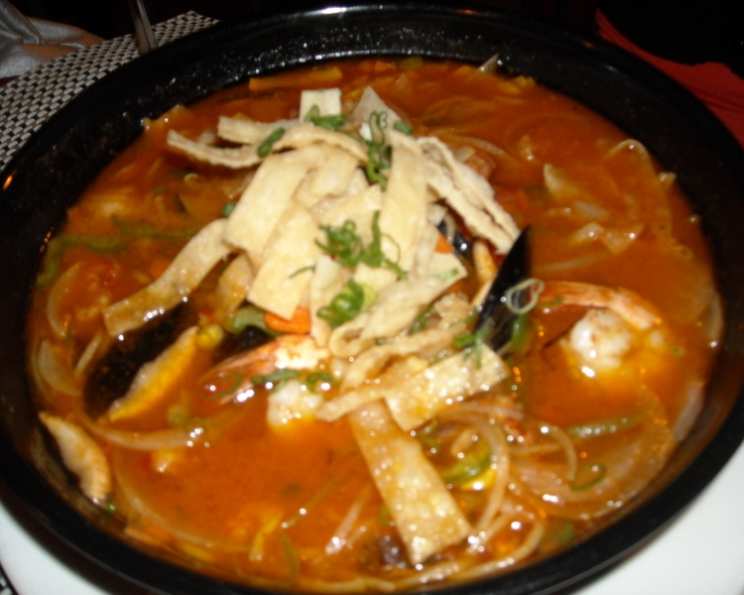
My Ode to the Sea: A Bouillabaisse Recipe
The scent of the sea always evokes vivid memories for me. I remember being a young child, sitting on the docks in Brittany, the salty air whipping around me as fishermen unloaded their catch. The air hummed with the promise of a hearty meal, and more often than not, that meal was bouillabaisse. This isn’t just soup; it’s a story of the sea, told in broth, fish, and spice. While my recipe might not be strictly traditional, it captures the soul of that experience.
Recipe Overview
- Prep Time: 20 minutes
- Cook Time: 45 minutes
- Total Time: 1 hour 5 minutes
- Servings: 2-3
- Yield: Approximately 6 cups
- Dietary Type: Pescatarian, Gluten-Free (naturally)
Ingredients
- 1 tablespoon extra virgin olive oil
- 1 stalk celery, finely diced (about 1/4 cup)
- 1/4 cup green bell pepper, finely diced (about 1/2 a small pepper)
- 2 garlic cloves, minced
- 1/2 onion, finely diced (about 1/2 cup)
- 1 bay leaf
- 1 teaspoon fresh thyme, leaves picked from stems
- 1/2 teaspoon crushed red pepper flakes
- Salt and pepper
- 1/2 cup dry white wine
- 1 cup clam juice
- 1 cup crushed tomatoes
- 1/4 – 1/2 cup water
- 1 teaspoon lemon juice, fresh squeezed
- 1/2 lb fish fillet (any sturdy white fish will do, such as Chilean Sea Bass, cod, or halibut)
- 8 littleneck clams (includes a few extra in case some don’t open)
- 1/4 lb bay scallops
- 1/4 lb large shrimp, peeled and deveined
- 2 tablespoons fresh parsley, chopped
Equipment Needed
- Deep skillet or Dutch oven
- Cutting board
- Sharp knife
- Measuring cups and spoons
Instructions
- Begin by prepping all your vegetables. Finely dice the celery, green bell pepper, and onion. Mince the garlic. Have all your ingredients measured and within easy reach, as the cooking process moves relatively quickly.
- In a deep skillet or Dutch oven, heat the olive oil over medium heat. Add the diced celery, green pepper, onion, and minced garlic. Sauté the vegetables until they are softened, about 5-7 minutes. Stir frequently to prevent burning. The goal is to develop a good base of flavor for the bouillabaisse.
- Add the bay leaf, fresh thyme leaves, and crushed red pepper flakes to the softened vegetables. Continue to sauté for another minute or so, allowing the herbs and spices to bloom and release their aromas. This is a crucial step for building depth of flavor.
- Pour in the dry white wine and let it deglaze the bottom of the pan, scraping up any browned bits that have accumulated. This will add a layer of richness to the broth. Allow the wine to reduce slightly, about 2-3 minutes.
- Add the clam juice, crushed tomatoes, and 1/4 cup of water. Stir well to combine all the ingredients. Bring the mixture to a boil, then reduce the heat to a simmer.
- Cover the skillet or Dutch oven and let the broth simmer for 30 minutes. Stir the bouillabaisse occasionally during the simmering process. If the sauce appears too thick, add the remaining 1/4 cup of water as needed to reach your desired consistency.
- After the broth has simmered for 30 minutes, it’s time to add the seafood. Gently place the fish fillets and littleneck clams into the simmering broth.
- Cover the skillet or Dutch oven again and cook for approximately 5 minutes, or until the fish flakes easily when tested with a fork and the clams have popped open. Discard any clams that do not open during cooking.
- Add the shrimp and bay scallops to the bouillabaisse. Simmer the seafood uncovered until it is cooked through, about 3 minutes. The shrimp should turn pink and opaque, and the scallops should be firm.
- Season the bouillabaisse with salt and pepper to taste. Be sure to taste the broth and adjust the seasoning as needed to achieve the perfect balance of flavors.
- Stir in the fresh squeezed lemon juice.
- To serve, ladle the bouillabaisse into bowls and garnish generously with fresh parsley. Serve immediately with toasted baguette slices for dipping into the flavorful broth.
Expert Tips & Tricks
- The Broth is Key: Don’t rush the broth-making process. Simmering it for the full 30 minutes allows the flavors to meld and deepen.
- Freshness Matters: Use the freshest seafood available for the best flavor and texture. If possible, buy your fish, clams, scallops, and shrimp the day you plan to cook the bouillabaisse.
- Don’t Overcook the Seafood: Overcooked seafood can become tough and rubbery. Cook the fish, clams, scallops, and shrimp just until they are cooked through, and no longer.
- Spice it Up (or Down): Adjust the amount of crushed red pepper flakes to suit your heat preference.
- Make it Ahead: The broth can be made a day in advance. Simply store it in the refrigerator and add the seafood just before serving.
Serving & Storage Suggestions
Bouillabaisse is best served hot, right after it’s made. Garnish generously with fresh parsley and serve with crusty baguette slices for dipping. For a truly authentic experience, serve with a dollop of rouille, a Provençal sauce made with olive oil, garlic, saffron, and chili peppers.
Leftover bouillabaisse can be stored in an airtight container in the refrigerator for up to 2 days. To reheat, gently simmer on the stovetop until heated through. Be careful not to overcook the seafood during reheating. It’s not recommended to freeze bouillabaisse, as the seafood can become mushy upon thawing.
Nutritional Information
| Nutrient | Amount per Serving | % Daily Value |
|---|---|---|
| Calories | 440 kcal | 22% |
| Total Fat | 9.5g | 12% |
| Saturated Fat | 1.4g | 7% |
| Cholesterol | 165mg | 55% |
| Sodium | 1443mg | 60% |
| Total Carbohydrate | 24.8g | 9% |
| Dietary Fiber | 1.9g | 7% |
| Sugars | 6.8g | N/A |
| Protein | 50.7g | 101% |
Note: Nutritional information is an estimate and may vary based on specific ingredients and portion sizes.
Variations & Substitutions
- Seafood Swap: Feel free to substitute any of the seafood based on availability and personal preference. Mussels, cockles, monkfish, or even lobster can be fantastic additions.
- Vegetarian Option: While not technically bouillabaisse, you can create a similar stew using vegetable broth, white beans, and hearty vegetables like potatoes, carrots, and fennel. Add some seaweed for a hint of the sea.
- Spice Level: Adjust the amount of crushed red pepper flakes to suit your taste. You can also add a pinch of saffron for a more authentic flavor and vibrant color.
FAQs (Frequently Asked Questions)
Q: Can I use frozen seafood in this recipe?
A: While fresh seafood is ideal, frozen seafood can be used in a pinch. Be sure to thaw it completely before adding it to the bouillabaisse and pat it dry to remove excess moisture.
Q: What if I can’t find clam juice?
A: Fish stock or vegetable broth can be used as a substitute for clam juice, but the flavor will be slightly different. You may need to adjust the seasoning to compensate.
Q: How do I know when the fish is cooked through?
A: The fish is cooked through when it flakes easily with a fork. Be careful not to overcook it, as it will become dry and tough.
Q: Can I make this bouillabaisse in a slow cooker?
A: Yes, you can adapt this recipe for a slow cooker. Sauté the vegetables as directed, then transfer them to the slow cooker with the remaining ingredients (except the seafood). Cook on low for 6-8 hours or on high for 3-4 hours. Add the seafood during the last 30 minutes of cooking.
Q: What is the best wine to serve with bouillabaisse?
A: A crisp, dry white wine like a Provençal rosé, Sauvignon Blanc, or Picpoul de Pinet pairs well with bouillabaisse.
Final Thoughts
Bouillabaisse is more than just a fish stew; it’s a celebration of the sea. Don’t be intimidated by the ingredient list – it’s actually quite simple to make, and the results are truly rewarding. Experiment with different types of seafood, adjust the seasoning to your liking, and make it your own. I encourage you to try this recipe and share your feedback. Pair it with a crusty baguette and a chilled glass of white wine for a truly unforgettable meal!