
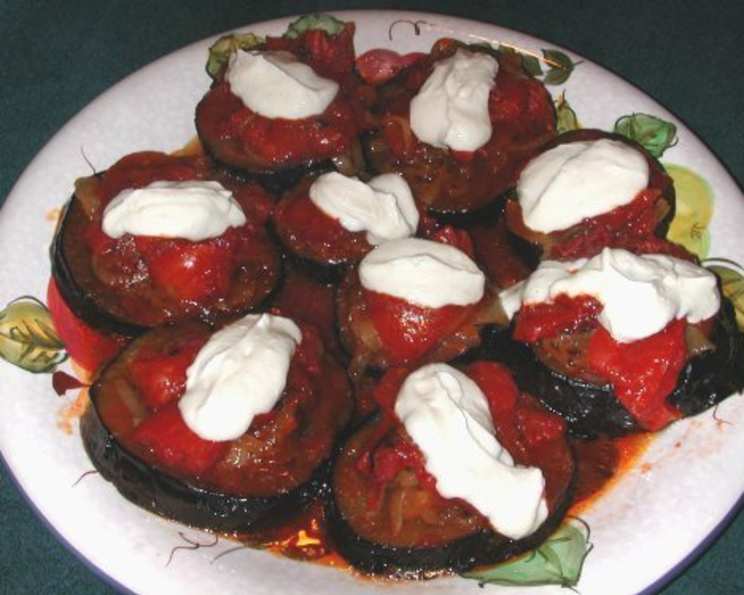
Bouranee Baunjan: An Afghan Eggplant Dream
My grandmother, a woman of incredible resilience and even more incredible cooking, always had a way of transforming humble ingredients into something extraordinary. I remember watching her in the kitchen, the aroma of spices swirling around her like a warm embrace. One dish that always stood out was her eggplant, slow-cooked with tomatoes and topped with a cool, tangy yogurt sauce. The first bite was always a revelation – the tender eggplant melting in my mouth, the sweetness of the caramelized onions, the bright acidity of the tomatoes, and the creamy coolness of the yogurt. It wasn’t just food; it was a taste of home, a comforting reminder of family and tradition. This recipe is inspired by those memories, a tribute to her culinary magic.
Recipe Overview
- Prep Time: 45 minutes
- Cook Time: 1 hour
- Total Time: 1 hour 45 minutes
- Servings: 4
- Dietary Type: Vegetarian
Ingredients
- 1 large globe eggplant
- Salt
- Oil (for frying)
- 2 teaspoons olive oil
- 1 teaspoon butter or 1 teaspoon ghee
- 1 large onion, sliced thinly
- 1/2 green bell pepper, seeded and sliced thinly (optional)
- 1 pinch red pepper flakes, to taste
- 1 (14 -15 ounce) can chopped tomatoes, with juice
- 1 cup strained yogurt (also known as yogurt cheese or “chakah”)
- 1/2 teaspoon crushed garlic, to taste
- Salt, to taste
Equipment Needed
- Cutting board
- Knife
- Large plate or tray
- Paper towels
- Skillet or pan
- Deep frying pan with lid
- Tongs
- Serving dish
Instructions
- Begin by cleaning the peel of the eggplant, then cut the stem off.
- Cut the eggplant into 1/2 inch thick slices (leaving the peel on).
- Spread the slices on a flat surface or tray and sprinkle generously with salt; let sit for 30 minutes. This step helps to draw out excess moisture and bitterness from the eggplant.
- After 30 minutes, dry the eggplant slices very well with paper towels. The drier they are, the better they will fry.
- In a skillet or pan, melt the olive oil and butter (or ghee) together over medium-low heat.
- Sauté the sliced onion (and green pepper, if using) until nicely browned and slightly caramelized. This process should take about 15-20 minutes, stirring occasionally to prevent burning. The key here is low and slow to develop that deep, sweet flavor.
- Stir in the red pepper flakes. Adjust the amount according to your spice preference.
- Pour oil into a separate deep frying pan (one that has a lid) to cover the bottom of the pan. Heat over medium-high heat. The oil should be hot enough to sizzle when a small piece of eggplant is added.
- Carefully sauté the eggplant slices on both sides until lightly browned. Work in batches to avoid overcrowding the pan, which can lower the oil temperature and result in soggy eggplant.
- As the eggplant slices are done, gently squeeze them with tongs to remove as much oil as possible. This step is crucial for a lighter, less greasy final dish. Discard the extra oil from the pan.
- Remove extra oil from the deep frying pan, then place one layer of eggplant slices on the bottom of the pan.
- Place a bit of cooked onion on top of each eggplant slice.
- Repeat with another layer of eggplant and cooked onion, until you’re out of slices and onion. Don’t worry if it’s a bit messy; it will all come together in the end.
- Pour the chopped tomatoes with their juice over the slices and onion, being careful not to dislodge the onion too much.
- Cover the pan and simmer over medium heat for 15 minutes, then remove the cover and simmer another 5 minutes to reduce the sauce a bit. The sauce should thicken slightly and cling to the eggplant.
- While the eggplant is simmering, combine the strained/drained yogurt, crushed garlic to taste, and salt to taste to make the chakah sauce. Stir until smooth and creamy. Taste and adjust the seasoning as needed.
- When the eggplant is done, remove from heat then carefully transfer the slices to serving dish (careful not to dislodge the toppings), then top each with a dollop of the chakah sauce. Serve immediately.
Expert Tips & Tricks
- Salting the Eggplant: Don’t skip the salting step! It’s essential for removing excess moisture and bitterness, resulting in a more flavorful and tender eggplant.
- Straining the Yogurt: For the best chakah, use a high-quality, full-fat yogurt and strain it for at least a few hours, or even overnight, to remove excess whey. This will create a thicker, creamier sauce.
- Spice Level: Adjust the amount of red pepper flakes to your liking. If you prefer a milder flavor, you can omit them altogether.
- Caramelizing Onions: Patience is key when caramelizing onions. Cook them over low heat, stirring occasionally, until they are golden brown and sweet. Don’t rush the process.
- Eggplant Texture: To avoid mushy eggplant, make sure the oil is hot enough before adding the slices to the pan. Fry them in batches and don’t overcrowd the pan.
Serving & Storage Suggestions
Bouranee Baunjan is best served warm, immediately after cooking. Garnish with a sprinkle of fresh herbs, such as cilantro or mint, for an extra burst of flavor and color. It makes a delicious appetizer or side dish and pairs well with rice, naan bread, or grilled meats.
Leftovers can be stored in an airtight container in the refrigerator for up to 3 days. Reheat gently in a skillet over medium heat or in the microwave. The yogurt sauce may separate slightly upon reheating, but it will still taste delicious. Freezing is not recommended, as the eggplant may become mushy upon thawing.
Nutritional Information
| Nutrient | Amount per Serving | % Daily Value |
|---|---|---|
| Calories | 250 kcal | 13% |
| Total Fat | 15g | 23% |
| Saturated Fat | 8g | 40% |
| Cholesterol | 20mg | 7% |
| Sodium | 300mg | 13% |
| Total Carbohydrate | 20g | 7% |
| Dietary Fiber | 5g | 20% |
| Sugars | 10g | – |
| Protein | 5g | 10% |
Note: Nutritional information is an estimate and may vary based on specific ingredients and portion sizes.
Variations & Substitutions
- Vegan: Substitute the butter/ghee with olive oil, and use a plant-based yogurt alternative, such as cashew or coconut yogurt, for the chakah sauce.
- Spicy: Add a pinch of cayenne pepper or a finely chopped chili pepper to the onion mixture for an extra kick.
- Herby: Mix finely chopped fresh mint or cilantro into the chakah sauce for a refreshing twist.
- Roasted Eggplant: For a healthier option, roast the eggplant slices in the oven instead of frying them. Toss them with olive oil, salt, and pepper and roast at 400°F (200°C) for about 20-25 minutes, flipping halfway through.
- Bell Peppers: Feel free to experiment with different colors of bell peppers or use other vegetables, such as zucchini or mushrooms, in the onion mixture.
FAQs (Frequently Asked Questions)
Q: Why do I need to salt the eggplant?
A: Salting the eggplant helps to draw out excess moisture and bitterness, resulting in a more flavorful and tender final product. It also prevents the eggplant from absorbing too much oil during frying.
Q: Can I use regular yogurt instead of strained yogurt?
A: While you can use regular yogurt, strained yogurt (chakah) is preferred because it’s thicker and creamier, creating a richer sauce. To strain yogurt, line a colander with cheesecloth and pour the yogurt into it. Let it drain in the refrigerator for several hours or overnight.
Q: How do I prevent the eggplant from becoming too oily?
A: Make sure the oil is hot enough before adding the eggplant slices to the pan. Fry them in batches and don’t overcrowd the pan. After frying, gently squeeze the slices with tongs to remove excess oil.
Q: Can I make this dish ahead of time?
A: Yes, you can prepare the eggplant and tomato mixture ahead of time and store it in the refrigerator for up to 2 days. Prepare the chakah sauce just before serving to maintain its freshness.
Q: What can I serve with Bouranee Baunjan?
A: Bouranee Baunjan pairs well with rice, naan bread, grilled meats, or as part of a larger Afghan feast.
Final Thoughts
Bouranee Baunjan is more than just a dish; it’s a culinary journey to Afghanistan, filled with flavors that are both comforting and exotic. Don’t be intimidated by the multiple steps – each one is simple and contributes to the overall deliciousness of the dish. I encourage you to try this recipe and experience the magic of Afghan cuisine for yourself. Share your creations and feedback, and perhaps pair it with a refreshing glass of iced tea or a robust red wine. Happy cooking!