
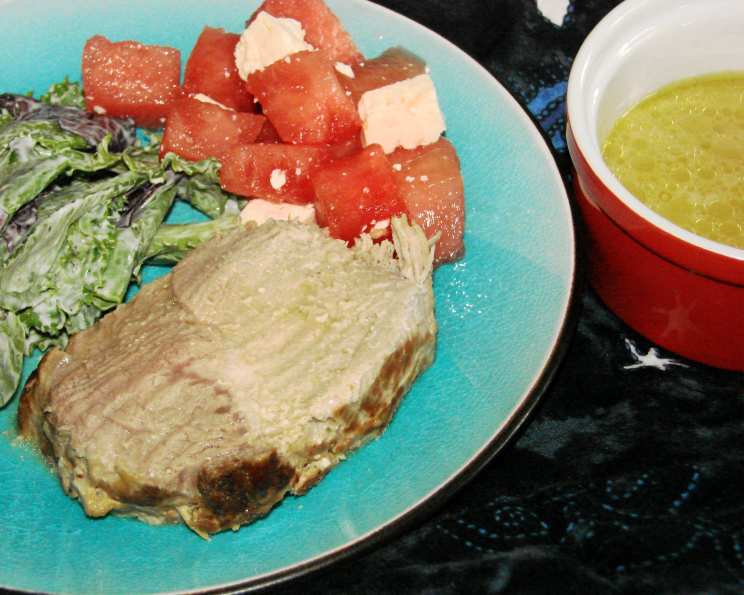
Milk-Braised Pork Loin: A Taste of Simple Elegance
I remember the first time I tasted pork braised in milk. I was a wide-eyed culinary student, skeptical of the seemingly bizarre combination. My Italian grandmother, Nonna Elena, chuckled, her eyes crinkling at the corners, and said, “Trust me, cara. The milk makes the pork as tender as a baby’s cheek.” One bite, and I was hooked. The pork, incredibly moist and flavorful, practically melted in my mouth. It was a revelation of how simple ingredients, treated with patience and care, could create something truly extraordinary. This recipe, while not Nonna Elena’s (that one’s a secret!), captures the essence of that magical moment.
Recipe Overview
- Prep Time: 15 minutes
- Cook Time: 1 hour 15 minutes to 1 hour 45 minutes
- Total Time: 1 hour 30 minutes to 2 hours
- Servings: 6
- Dietary Type: Not Gluten-Free (naturally)
Ingredients
- 1 tablespoon vegetable oil
- 2 tablespoons butter
- 2 lbs pork loin
- 2 garlic cloves, smashed slightly with the side of a knife
- 1 large onion, chopped
- 2 cups milk (whole milk is recommended for the richest flavor)
- 5 juniper berries, crushed slightly
- 4 sprigs fresh sage, plus extra for garnish
- Salt & freshly ground black pepper
Equipment Needed
- Large Dutch oven or pot with a lid
- Serving dish
- Strainer
Instructions
-
Begin by heating the vegetable oil and butter in a large Dutch oven or pot (that is large enough to fit the entire pork loin comfortably) over medium heat. The combination of oil and butter provides both a high smoke point and rich flavor.
-
Add the pork loin, chopped onion, and smashed garlic to the pot. Brown the meat well on all sides, which will take approximately 15 minutes. This step is crucial for developing a deep, savory flavor in the finished dish. Make sure to get a nice sear on the pork; that’s where the magic starts.
-
Pour in the milk, then add the crushed juniper berries and fresh sage sprigs. Juniper berries offer a subtle, piney note that complements the pork beautifully, while the sage lends an earthy aroma.
-
Increase the heat to bring the liquid to a boil. Once boiling, immediately reduce the heat to low, cover the pot tightly with a lid, and simmer gently until the pork is tender. This will take approximately 1 hour to 1 hour and 30 minutes. Turning the pork several times during cooking helps it self-baste, ensuring even cooking and maximum tenderness.
-
Once the pork is cooked through and very tender, carefully transfer it to a serving dish and keep it warm. A low oven (around 200°F/95°C) works perfectly for this.
-
Now, it’s time to reduce the sauce. Increase the heat under the Dutch oven, if desired, and cook the liquid until it reduces to a light brownish color and thickens slightly. Don’t be alarmed if the sauce appears curdled at this point; that’s perfectly normal due to the milk solids separating. This concentrated sauce is where much of the flavor lies.
-
To serve, slice the pork loin into thick slices. Season the slices generously with salt and freshly ground black pepper.
-
Strain the sauce through a fine-mesh strainer to remove the solids (the curdled milk, garlic, juniper berries, and sage). Season the strained sauce with a little salt and pepper to taste.
-
Drizzle a small amount of the strained sauce over the sliced pork. Garnish with fresh sage leaves and serve any additional sauce on the side. This dish is best served immediately.
Expert Tips & Tricks
- Browning is key: Don’t rush the browning process. A well-seared pork loin will result in a deeper, more complex flavor in the final dish.
- Milk matters: Whole milk is recommended for the richest flavor and creamiest sauce. However, you can use 2% milk if you prefer, though the sauce may be slightly less decadent. Avoid using skim milk, as it may curdle too much and not create a desirable sauce.
- Don’t overcook: Overcooked pork will be dry and tough. Check the internal temperature with a meat thermometer. Aim for an internal temperature of 145°F (63°C) for medium-rare to medium, and let it rest for a few minutes before slicing. The temperature will continue to rise slightly as it rests.
- Flavor Boost: For an extra layer of flavor, add a splash of dry white wine to the pot after browning the pork and before adding the milk. Let the wine reduce slightly before proceeding with the recipe.
- Herbs: Feel free to experiment with other herbs, such as rosemary or thyme, in addition to or instead of the sage.
Serving & Storage Suggestions
This milk-braised pork loin is delicious served with creamy mashed potatoes, roasted root vegetables (like carrots and parsnips), or a simple green salad. The richness of the pork is balanced perfectly by these comforting and fresh side dishes.
Leftovers can be stored in an airtight container in the refrigerator for up to 3 days. To reheat, gently warm the pork and sauce in a saucepan over low heat, or microwave in short intervals until heated through. Be careful not to overheat, as this can dry out the pork. The sauce may separate slightly upon reheating, but a quick whisk will usually bring it back together. Freezing is not recommended as the milk sauce may change texture.
Nutritional Information
Please note that this is an estimate and may vary depending on the specific ingredients used.
| Nutrient | Amount per Serving | % Daily Value |
|---|---|---|
| Calories | 450 kcal | 23% |
| Total Fat | 32g | 49% |
| Saturated Fat | 13g | 65% |
| Cholesterol | 120mg | 40% |
| Sodium | 150mg | 7% |
| Total Carbohydrate | 7g | 3% |
| Dietary Fiber | 1g | 4% |
| Sugars | 2g | – |
| Protein | 35g | 70% |
Variations & Substitutions
- Dairy-Free: While the recipe is specifically for milk-braised pork, you could try a plant-based alternative at your own risk. Full-fat coconut milk might work, but be prepared for a significant flavor change.
- Different Cuts of Pork: While pork loin is ideal due to its tenderness, you could also use pork shoulder or pork butt (Boston butt). These cuts will require a longer cooking time (2-3 hours) to become tender.
- Seasonal Adaptation: In the fall, add a peeled and chopped apple to the pot along with the onion and garlic for a touch of sweetness. In the spring, add some fresh asparagus spears during the last 15 minutes of cooking.
- Spice it up: Add a pinch of red pepper flakes for a little heat.
FAQs (Frequently Asked Questions)
Q: Why braise pork in milk? Doesn’t it curdle?
A: Yes, the milk will curdle slightly during cooking, but that’s part of the process! The milk tenderizes the pork and creates a rich, flavorful sauce. Straining the sauce at the end removes the solids, leaving a smooth, delicious gravy.
Q: Can I use a different cut of pork?
A: Yes, you can use pork shoulder or pork butt, but they will require a longer cooking time to become tender. Pork loin is recommended for the best results.
Q: Can I make this recipe ahead of time?
A: Yes, you can braise the pork a day or two ahead of time. Store the pork and sauce separately in the refrigerator. Reheat gently before serving.
Q: The sauce looks curdled. Is that normal?
A: Yes, it’s completely normal for the sauce to look curdled. Strain it through a fine-mesh strainer to remove the solids and create a smooth gravy.
Q: What do I do if the sauce is too thin?
A: If the sauce is too thin after reducing, you can thicken it with a cornstarch slurry (1 tablespoon cornstarch mixed with 2 tablespoons cold water). Add the slurry to the sauce and simmer until thickened.
Final Thoughts
This milk-braised pork loin is a testament to the power of simple, unfussy cooking. It’s a dish that’s both elegant and comforting, perfect for a special occasion or a cozy weeknight dinner. Don’t be afraid to experiment with different herbs and seasonings to create your own unique version. I encourage you to try this recipe and share your feedback! Pair it with a glass of dry white wine or a crisp, refreshing beer for a truly memorable meal.