
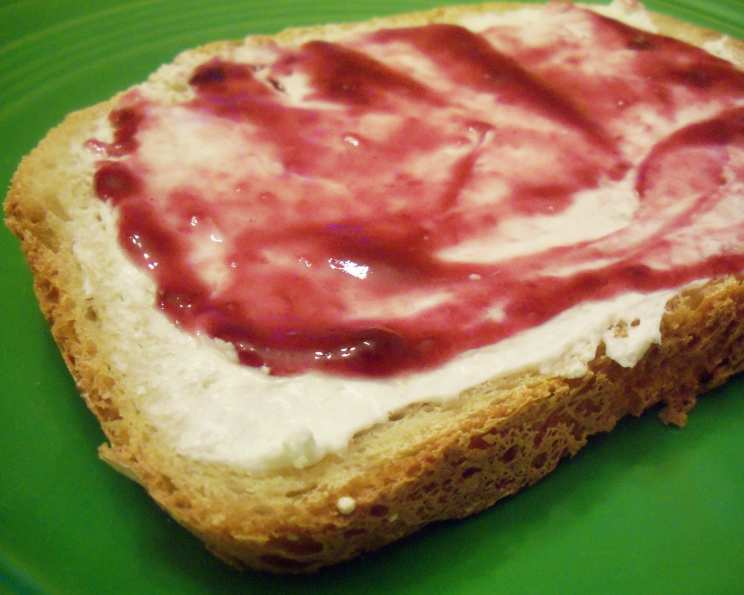
Bagel Bread Bliss: A Bread Machine Revelation
I have a vivid memory of my grandmother’s kitchen, always filled with the warm, yeasty aroma of freshly baked bread. While she was a master of the traditional loaf, I often wondered if she could have imagined the wonders a simple bread machine could create. This bagel bread, surprisingly, brings me right back to that comforting space. It possesses a delightful, almost chewy texture and a subtle tang reminiscent of a classic bagel, perfectly captured in a convenient loaf. Slathered with cream cheese and smoked salmon, or simply toasted with butter, it’s a taste of home with a modern twist.
Recipe Overview
- Prep Time: 10 minutes
- Cook Time: 32 minutes
- Total Time: 42 minutes
- Yields: 1 1-pound loaf
- Serves: 10
- Dietary Type: Vegetarian
Ingredients
- 1/2 cup milk
- 1/3 cup water
- 1 egg
- 2 1/4 cups bread flour
- 1 tablespoon sugar
- 1 teaspoon salt
- 1 1/2 teaspoons active dry yeast
Equipment Needed
- Bread Machine
- Metal Rack
Instructions
- Ensure your bread machine pan is clean and dry.
- Following the manufacturer’s instructions for your bread machine, add the ingredients to the pan in the following order: milk, water, egg, bread flour, sugar, salt, and finally, active dry yeast. It’s important to add the ingredients in this order, as it prevents the salt and yeast from directly touching, which can inhibit the yeast’s activity.
- Place the bread machine pan securely into the bread machine.
- Select the basic white bread cycle on your bread machine. This cycle typically includes a kneading, rising, and baking phase.
- Press the start button to begin the bread-making process.
- Allow the bread machine to complete the entire cycle. This will typically take around 3 hours, depending on your machine. The baking portion of the cycle is approximately 32 minutes.
- Once the cycle is complete, carefully remove the bread machine pan from the machine, using oven mitts as the pan will be hot.
- Gently remove the baked loaf from the pan. If the loaf seems stuck, lightly shake the pan or use a flexible spatula to loosen the sides.
- Place the bread loaf on a metal rack to cool completely for at least one hour before slicing and serving. This allows the internal moisture to redistribute, resulting in a better texture.
Expert Tips & Tricks
- Yeast Activation: To ensure your yeast is active, you can proof it before adding it to the bread machine. Simply combine the yeast with a tablespoon of warm water and a teaspoon of sugar. If it foams up within 5-10 minutes, it’s good to go.
- Flour Power: Using bread flour is crucial for achieving the slightly chewy texture characteristic of bagels. Bread flour has a higher protein content than all-purpose flour, which develops more gluten during kneading.
- Water Temperature: Ensure the water is lukewarm, not hot, as hot water can kill the yeast.
- Dough Consistency: Check the dough consistency during the kneading phase. If it seems too dry, add a tablespoon of water at a time until it forms a smooth, elastic ball. If it’s too wet, add a tablespoon of flour at a time.
- Crust Color: If you prefer a darker crust, you can add a tablespoon of milk powder to the dough.
- Even Baking: Rotate the bread halfway through the baking cycle (if your bread machine allows) to ensure even browning.
- Scoring the Top: Before baking, you can score the top of the loaf with a sharp knife to allow for even expansion and a more visually appealing crust.
- Salt Content: Be precise with the salt measurement. Too much salt can inhibit yeast activity, while too little can result in a bland loaf.
Serving & Storage Suggestions
This bagel bread is best enjoyed fresh, toasted, and slathered with your favorite toppings, such as cream cheese, lox, or avocado. It also makes excellent sandwiches.
- Room Temperature: Store the cooled loaf in an airtight container or a bread bag at room temperature for up to 2 days.
- Refrigeration: For longer storage, wrap the loaf tightly in plastic wrap and store it in the refrigerator for up to 5 days.
- Freezing: To freeze, slice the loaf and wrap each slice individually in plastic wrap before placing them in a freezer bag. Frozen bagel bread will keep for up to 2 months.
- Reheating: To reheat, toast slices directly from frozen or thaw them in the refrigerator before toasting. You can also wrap the loaf in foil and reheat it in a 350°F (175°C) oven for 10-15 minutes.
Nutritional Information
| Nutrient | Amount per Serving | % Daily Value |
|---|---|---|
| Calories | 124.2 kcal | N/A |
| Calories from Fat | 11 kcal | N/A |
| Total Fat | 1.2 g | 1% |
| Saturated Fat | 0.5 g | 2% |
| Cholesterol | 20.3 mg | 6% |
| Sodium | 246.7 mg | 10% |
| Total Carbohydrate | 23.6 g | 7% |
| Dietary Fiber | 0.9 g | 3% |
| Sugars | 1.4 g | N/A |
| Protein | 4.2 g | 8% |
Note: Nutritional information is an estimate and may vary based on specific ingredients and preparation methods.
Variations & Substitutions
- Everything Bagel Bread: Before baking, brush the top of the loaf with a beaten egg and sprinkle with everything bagel seasoning.
- Cinnamon Raisin Bagel Bread: Add 1/2 cup of raisins and 1 teaspoon of cinnamon to the dough.
- Whole Wheat Bagel Bread: Substitute half of the bread flour with whole wheat flour for a heartier flavor and texture.
- Jalapeño Cheddar Bagel Bread: Add 1/2 cup of shredded cheddar cheese and 1-2 tablespoons of finely chopped jalapeños to the dough.
- Garlic Herb Bagel Bread: Add 2 cloves of minced garlic and 1 tablespoon of your favorite dried herbs (such as rosemary, thyme, or oregano) to the dough.
- Dairy-Free: Substitute the milk with a plant-based milk alternative like almond or soy milk.
FAQs (Frequently Asked Questions)
Q: Can I use all-purpose flour instead of bread flour?
A: While you can, the texture will be different. Bread flour has more protein, creating a chewier, more bagel-like texture. All-purpose flour will result in a softer, less dense loaf.
Q: My bread didn’t rise properly. What could be the reason?
A: Possible reasons include using expired yeast, water that was too hot (killing the yeast), or adding too much salt. Make sure your yeast is fresh, your water is lukewarm, and you measure the salt accurately.
Q: Can I add a boiling step like traditional bagels?
A: This recipe is specifically designed for a bread machine and doesn’t include a boiling step. The baking process in the bread machine differs from traditional bagel baking.
Q: My crust is too hard. How can I soften it?
A: Try brushing the top of the loaf with melted butter or olive oil immediately after removing it from the bread machine. You can also store the cooled loaf in a plastic bag to retain moisture.
Q: Can I make this recipe without a bread machine?
A: While this recipe is optimized for a bread machine, you could adapt it for a conventional oven, but you’ll need to knead the dough by hand or with a stand mixer, allow it to rise, and then bake it in a preheated oven. However, the results will likely vary.
Final Thoughts
I encourage you to give this bread machine bagel bread recipe a try. It’s a simple yet rewarding way to enjoy the comforting flavors of a bagel in a convenient loaf form. Don’t be afraid to experiment with different flavor combinations and toppings to create your own signature version. Share your creations and experiences – I’d love to hear how it turns out! This loaf pairs beautifully with a steaming cup of coffee or a hearty bowl of soup for a truly satisfying meal.