
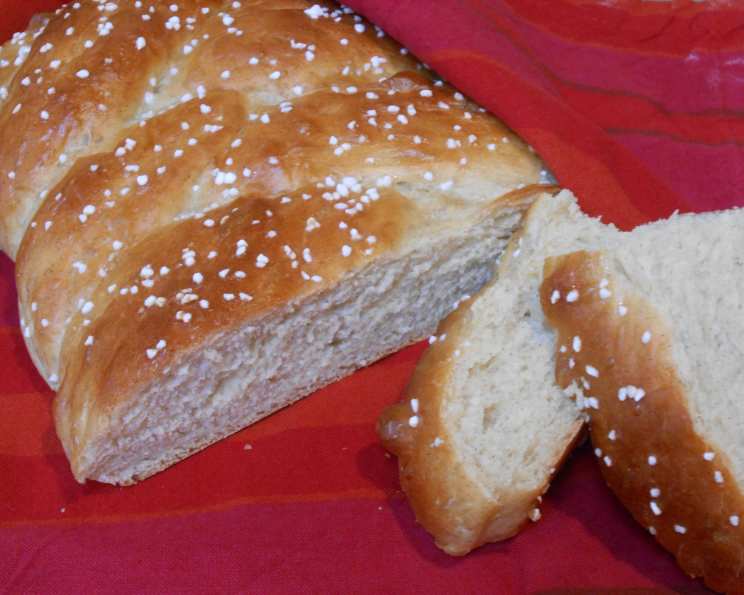
Bread Machine Swedish Coffee Bread: A Taste of Christmas Past
The aroma of cardamom still instantly transports me back to my grandmother’s kitchen. Every Christmas morning, without fail, a golden-brown, braided loaf of Swedish coffee bread graced her table. The sweet, yeasty scent mingled with the crisp winter air, creating a cozy haven of warmth and family. Though her original recipe was a multi-day affair, I’ve adapted a more streamlined version using a bread machine, capturing the same cherished flavors with a fraction of the effort. This bread isn’t just a recipe; it’s a hug in a loaf, a tradition reborn.
Recipe Overview
- Prep Time: 20 minutes
- Cook Time: 25 minutes
- Total Time: 4 hours 45 minutes (includes rising time)
- Servings: 12
- Yield: 1 loaf
- Dietary Type: Not Vegetarian (contains eggs)
Ingredients
- 1 cup milk
- 1/2 teaspoon salt
- 1 egg yolk
- 2 tablespoons softened butter
- 3 cups all-purpose flour
- 1/3 cup sugar
- 1 (1/4 ounce) envelope active dry yeast
- 3 teaspoons ground cardamom
- 2 egg whites, slightly beaten
- Pearl sugar or other decorative sugar
Equipment Needed
- Bread Machine
- Measuring cups and spoons
- Greased baking sheet
- Towel
- Mixing bowl (optional, for egg whites)
- Pastry brush (optional, for egg whites)
Instructions
-
Place the ingredients into the bread machine pan in the exact order recommended by the manufacturer. Every machine is different, but typically you add liquids first, followed by dry ingredients, with the yeast going in last. This ensures the yeast doesn’t activate prematurely.
-
Select the dough cycle on your bread machine. This cycle will mix and knead the dough, then allow it to rise. Press Start.
-
Once the dough cycle is complete (this usually takes around 2 hours), remove the dough from the bread machine pan. Gently punch it down to release any excess air.
-
Divide the dough into three equal portions. Using your hands or a rolling pin, roll each portion into a rope approximately 12 to 14 inches long. Aim for uniform thickness to ensure even baking.
-
Lay the three ropes side by side on a clean work surface. Pinch the ends together at one end to secure them.
-
Braid the ropes together, just like braiding hair. Keep the braid relatively loose to allow for expansion during the second rise. Pinch the ends together at the other end to secure the braid.
-
Tuck both ends of the braid underneath the loaf to create a neat, oval shape. This will help prevent the ends from unraveling during baking.
-
Place the braided loaf onto a greased baking sheet. Greasing the baking sheet prevents the bread from sticking.
-
Cover the loaf loosely with a clean towel. This will create a warm, humid environment that encourages the dough to rise.
-
Allow the loaf to rise in a warm place until it has doubled in bulk. This second rise typically takes about an hour, but it can vary depending on the temperature of your kitchen. Don’t rush this step; a proper rise is crucial for a light and airy bread.
-
Preheat your oven to 375 degrees F (190 degrees C). Make sure your oven is fully preheated before baking the bread.
-
In a small bowl, lightly beat the 2 egg whites. This will create an egg wash that will give the bread a beautiful golden-brown color and help the pearl sugar adhere.
-
Using a pastry brush, gently brush the top of the risen braid with the beaten egg white. Be careful not to deflate the dough.
-
Sprinkle the brushed bread generously with pearl sugar or other decorative sugar. The pearl sugar adds a delightful crunch and festive touch.
-
Bake in the preheated oven until golden brown, approximately 20 to 25 minutes. Keep a close eye on the bread during the last few minutes of baking to prevent it from burning.
-
Remove the baked bread from the oven and let it cool on a wire rack before slicing and serving. Cooling allows the bread to firm up and makes it easier to slice.
Expert Tips & Tricks
- Cardamom Quality: Freshly ground cardamom makes a world of difference. If possible, buy cardamom pods and grind them yourself for the most intense flavor. If using pre-ground cardamom, make sure it’s fresh, as it loses its potency quickly.
- Milk Temperature: The milk should be lukewarm, not hot, to avoid killing the yeast. Aim for around 100-110°F (38-43°C).
- Butter Softening: Ensure the butter is truly softened, not melted. Softened butter incorporates more easily into the dough and contributes to a tender crumb.
- Dough Consistency: The dough should be soft and slightly sticky. If it’s too dry, add a tablespoon of milk at a time until you reach the desired consistency. If it’s too wet, add a tablespoon of flour at a time.
- Preventing Burning: If the bread starts to brown too quickly during baking, tent it loosely with aluminum foil.
- Bread Machine Variations: Some bread machines have a specific sweet bread setting, which you can use instead of the dough cycle.
- Make Ahead Tip: You can prepare the dough the night before, let it complete its cycle in the bread machine, then refrigerate it overnight. Take it out of the refrigerator in the morning and let it rise for the second time before baking as directed. This will allow you to have fresh bread ready for breakfast without spending a lot of time in the kitchen in the morning.
Serving & Storage Suggestions
This Swedish coffee bread is best enjoyed warm, sliced, and perhaps with a smear of butter or a dollop of whipped cream. It’s the perfect accompaniment to coffee or tea, especially on a chilly morning.
Store any leftovers in an airtight container at room temperature for up to 2 days, or in the refrigerator for up to 5 days. For longer storage, freeze the bread, tightly wrapped, for up to 2 months. To reheat, thaw the bread completely and then warm it in a low oven (around 300°F or 150°C) for 10-15 minutes, or until heated through. You can also toast individual slices.
Nutritional Information
| Nutrient | Amount per Serving | % Daily Value |
|---|---|---|
| Calories | 176 kcal | – |
| Calories from Fat | 30 kcal | – |
| Total Fat | 3.4 g | 5% |
| Saturated Fat | 1.9 g | 9% |
| Cholesterol | 21.8 mg | 7% |
| Sodium | 134.6 mg | 5% |
| Total Carbohydrate | 31 g | 10% |
| Dietary Fiber | 1.1 g | 4% |
| Sugars | 5.7 g | – |
| Protein | 5 g | – |
Note: Nutritional information is an estimate and can vary based on specific ingredients and preparation methods.
Variations & Substitutions
- Gluten-Free: Substitute the all-purpose flour with a gluten-free all-purpose flour blend. You may need to add a binder like xanthan gum to help with the structure.
- Dairy-Free: Replace the milk with your favorite plant-based milk, such as almond, soy, or oat milk. Use a dairy-free butter substitute.
- Lemon or Orange Zest: Add 1-2 teaspoons of lemon or orange zest to the dough for a citrusy twist.
- Raisins or Almonds: Incorporate 1/2 cup of raisins or chopped almonds into the dough for added texture and flavor. Add these when the bread machine is kneading.
- Spiced Variation: Add a pinch of nutmeg or allspice along with the cardamom for a more complex spice profile.
- Icing: Drizzle a simple powdered sugar icing over the cooled bread for added sweetness.
FAQs (Frequently Asked Questions)
Q: Can I make this bread without a bread machine?
A: Yes, you can! Combine the ingredients in a stand mixer or by hand, knead until smooth and elastic, let rise, braid, let rise again, and bake as directed. It will require a bit more effort, but the result will be just as delicious.
Q: Why is my bread dense and heavy?
A: This can be due to several factors, including using old yeast, not allowing the dough to rise sufficiently, or using too much flour. Make sure your yeast is fresh, give the dough ample time to rise in a warm place, and measure your flour accurately.
Q: Can I freeze the unbaked dough?
A: Yes, you can freeze the dough after braiding it. Wrap it tightly in plastic wrap and then in foil. Thaw it in the refrigerator overnight, then let it rise until doubled before baking.
Q: What kind of decorative sugar should I use?
A: Pearl sugar is traditional for Swedish coffee bread, but you can use any type of decorative sugar you like, such as coarse sugar, sanding sugar, or even sprinkles.
Q: My bread is browning too quickly. What should I do?
A: Tent the bread loosely with aluminum foil to prevent it from browning too much. This will allow the inside to cook through without burning the outside.
Final Thoughts
This Bread Machine Swedish Coffee Bread is more than just a recipe; it’s an invitation to create your own cherished memories. Whether you’re celebrating a special occasion or simply craving a taste of comfort, this sweet, cardamom-scented loaf is sure to delight. Don’t be afraid to experiment with variations and make it your own. I encourage you to try this recipe, share it with loved ones, and let the aroma of freshly baked bread fill your home with warmth and joy. Perhaps pair it with a steaming mug of coffee or a glass of glögg for the ultimate cozy experience!