
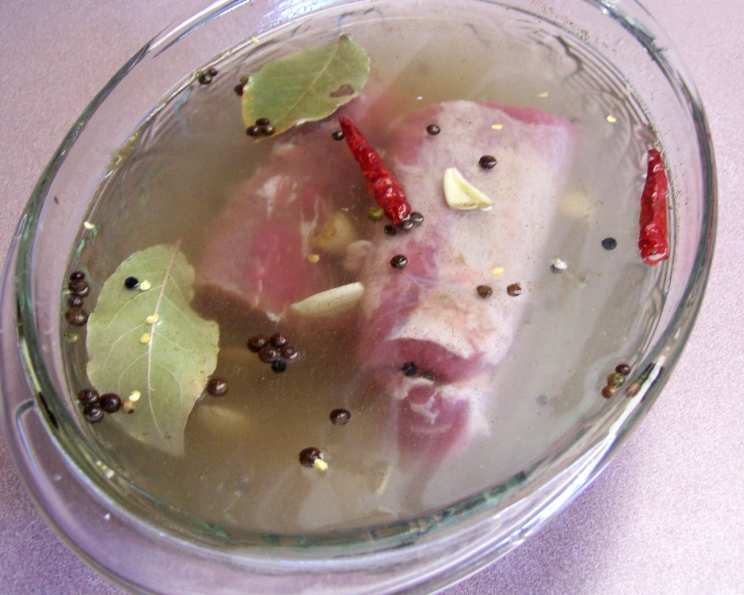
Brine-Cured Pork: A Chef’s Secret to Unforgettable Flavor
The aroma of brine-cured pork, slow-roasting in the oven, takes me back to my early days as an apprentice. My mentor, a gruff but brilliant old-school butcher, taught me the magic of transforming ordinary cuts of meat into something extraordinary. He believed that brining wasn’t just a preservation technique; it was an act of culinary alchemy, infusing the pork with moisture and unlocking depths of flavor I never knew existed. The simple act of smelling that pork evokes the bustling kitchen, the sharp knives, and the wisdom passed down through generations.
Recipe Overview
- Prep Time: 20 minutes
- Cook Time: Varies (see instructions)
- Total Time: 5 days 20 minutes (including brining)
- Servings: 6-8
- Yield: Varies (depending on cut)
- Dietary Type: Not suitable for Vegetarian or Vegan diets
Ingredients
- 1 cup salt
- ¾ cup sugar
- 2 bay leaves
- 3-5 peppercorns
- 1 clove
- 6 allspice berries
- 2 small dried chilies
- 3 garlic cloves, peeled
- 1 tablespoon dried thyme
- 3 lbs boneless pork loin (or shoulder)
- Chopped parsley (optional, for garnish)
- Garlic (optional, for finishing)
Equipment Needed
- Large, nonreactive container (plastic or stainless steel)
- Plate or weight to submerge the pork
- Roasting pan (if roasting)
- Grill (if grilling)
- Cast-iron pan (if browning chops)
Instructions
- In a large, nonreactive container, combine 2 ½ gallons of cold water, salt, and sugar. Stir until the salt and sugar are completely dissolved. This is your brine.
- Slightly crush the bay leaves, peppercorns, clove, allspice berries, and dried chilies to release their aromas. Add them to the brine along with the peeled garlic cloves and dried thyme.
- Add the boneless pork loin (or shoulder) to the brine. Ensure the meat is completely submerged in the liquid. If necessary, place a plate or weight on top of the pork to keep it submerged.
- Refrigerate the pork in the brine for at least 5 days. Larger cuts may benefit from a longer brining period, while smaller pork chops may only need 2-3 days. Ensure the refrigerator temperature remains consistent for proper curing.
- After the brining period, remove the pork from the container and pat it completely dry with paper towels. Discard the brine.
- Roasting: Preheat your oven to 350°F (175°C). Place the brined pork loin in a roasting pan and roast for approximately 1 hour, or until a meat thermometer inserted into the thickest part registers 145°F (63°C). Let the pork rest for 10 minutes before slicing.
- Grilling: Preheat your grill to medium heat. Grill the brined pork loin, turning occasionally, until a meat thermometer inserted into the thickest part registers 145°F (63°C). Let the pork rest for 10 minutes before slicing.
- Pan-Frying Chops: If using pork chops, slice them very thinly. Heat a cast-iron pan over medium-high heat. Add the pork chops and brown them quickly, about 1 minute per side, until cooked through. They will cook very fast due to the brining process.
- Optional finishing touches: Before serving, sprinkle the cooked pork with a generous handful of chopped parsley and minced garlic if desired.
- For a brined pork shoulder, consider boiling or braising it until tender. It’s also delicious when added to cooked beans for a smoky, savory flavor.
Expert Tips & Tricks
- Salt Quality: Use kosher salt or sea salt for the best flavor and dissolving properties. Avoid iodized salt, as it can impart a metallic taste to the pork.
- Brining Container: Ensure your container is nonreactive. Avoid aluminum, as it can react with the salt and affect the flavor of the pork.
- Brining Time: Don’t exceed the recommended brining time, as the pork can become overly salty. Taste a small piece of the raw pork after brining to check the salt level.
- Resting is Key: Allowing the pork to rest after cooking is crucial for retaining moisture and ensuring a tender, juicy result.
- Internal Temperature: Use a reliable meat thermometer to ensure the pork is cooked to a safe internal temperature.
- Sugar Considerations: While sugar adds flavor and aids in browning, you can reduce the amount slightly if you prefer a less sweet flavor profile.
- Even Cooking: For even cooking, ensure the pork is relatively uniform in thickness. If not, you may need to adjust cooking times or butterfly the pork loin.
Serving & Storage Suggestions
Serve the brine-cured pork sliced thinly, accompanied by your favorite sides. It pairs well with roasted vegetables, mashed potatoes, or a fresh salad. Leftovers should be stored in an airtight container in the refrigerator for up to 3-4 days. You can also freeze cooked pork for up to 2-3 months. Reheat gently in the oven or microwave to avoid drying it out. It’s best to let the pork come to room temperature for about 30 minutes before reheating.
Nutritional Information
| Nutrient | Amount per Serving (estimated) | % Daily Value (approximate) |
|---|---|---|
| Calories | 550 kcal | N/A |
| Total Fat | 29g | 44% |
| Saturated Fat | 10g | 49% |
| Cholesterol | 143mg | 47% |
| Sodium | 18976mg | 790% |
| Total Carbohydrate | 26g | 8% |
| Dietary Fiber | 0g | 1% |
| Sugars | 25g | N/A |
| Protein | 45g | 89% |
Note: Nutritional information is an estimate and can vary based on specific ingredients and portion sizes. The sodium content is very high due to the brining process.
Variations & Substitutions
- Spice Variations: Experiment with different spices in the brine, such as juniper berries, coriander seeds, or smoked paprika, to customize the flavor profile.
- Sweeteners: You can substitute honey or maple syrup for the sugar in the brine for a different sweetness.
- Pork Cut: While this recipe works well with pork loin or shoulder, you can also use it for other cuts of pork, such as pork belly or ham hocks. Adjust brining and cooking times accordingly.
- Chili Heat: Adjust the number of chilies based on your preference for heat.
- Herb Variations: Fresh rosemary or sage can be used in place of dried thyme for a different herbal note.
- Brine Volume: Ensure you have enough brine to completely submerge the pork. If necessary, adjust the amount of water and other ingredients proportionally.
FAQs (Frequently Asked Questions)
Q: Why brine pork?
A: Brining adds moisture to the pork, resulting in a more tender and juicy final product. It also infuses the meat with flavor.
Q: Can I brine the pork for longer than 5 days?
A: While you can brine for longer, be cautious not to over-brine, as the pork can become too salty. Taste a small piece of the raw pork to check the salt level.
Q: Can I use this brine for other meats?
A: Yes, this brine can also be used for poultry, such as chicken or turkey, with adjusted brining times.
Q: How do I know when the pork is cooked through?
A: Use a meat thermometer to check the internal temperature. Pork loin should reach 145°F (63°C) for safe consumption.
Q: Can I freeze the brined pork before cooking?
A: Yes, you can freeze the brined pork before cooking. Thaw it completely in the refrigerator before cooking as directed.
Final Thoughts
Brine-cured pork is more than just a recipe; it’s a culinary adventure that unlocks incredible flavor and tenderness. Don’t be intimidated by the brining process – it’s surprisingly simple, and the results are well worth the effort. I encourage you to try this recipe and experience the magic of brine-cured pork for yourself. Feel free to experiment with different spices and herbs to create your own unique flavor profile. Serve this magnificent pork alongside a crisp apple salad and a robust red wine for an unforgettable meal. I’d love to hear your feedback and any variations you discover along the way!