
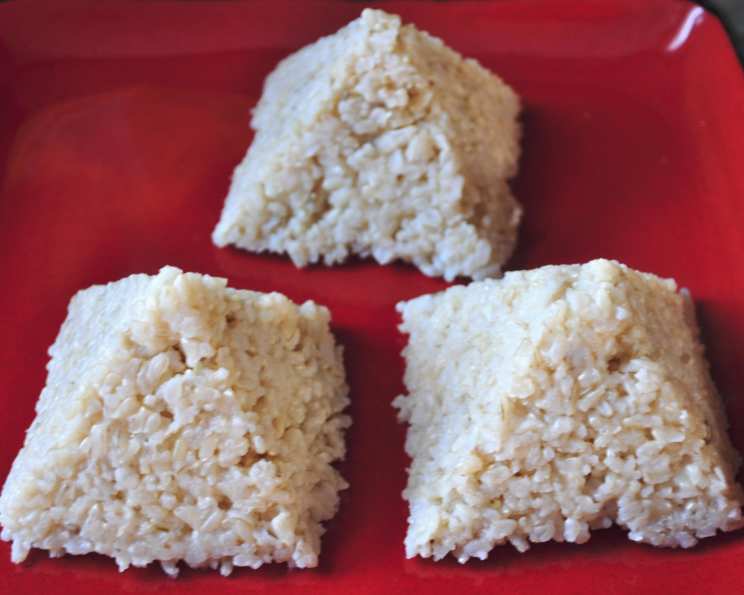
Perfectly Cooked Brown Rice in a 2-Qt. Pressure Cooker: A Foolproof Method
There’s something incredibly comforting about a bowl of perfectly cooked brown rice. I remember my grandmother always had a pot simmering on the stove, its nutty aroma filling her kitchen. It wasn’t just a side dish; it was a staple, a symbol of warmth and nourishment. While she used a traditional pot, I’ve found a pressure cooker yields consistently fantastic results, and in significantly less time. This recipe is my homage to her, updated for the modern kitchen.
Recipe Overview:
- Prep Time: 5 minutes (plus soaking time)
- Cook Time: 12 minutes
- Total Time: 19 minutes (excluding soaking & natural pressure release)
- Servings: 6-8
- Yields: 3-4 cups
- Dietary Type: Gluten-Free, Vegan
Ingredients:
- 2 cups water
- 1 cup picked over and soaked brown rice, rinsed and drained
Equipment Needed:
- 2-Qt Pressure Cooker
- Fine-mesh sieve
Instructions:
-
Pour 2 cups of water into the pressure cooker. Bring to a rolling boil over high heat.
-
Add 1 cup of thoroughly rinsed and drained soaked brown rice to the boiling water. Stir well to ensure the rice is evenly distributed in the water.
-
Secure the pressure cooker lid according to the manufacturer’s instructions. Bring the cooker to LOW pressure (approximately 10 psi, which some brands may refer to as “MEDIUM”). Note: Consult your pressure cooker manual for specific pressure settings and recommendations.
-
Once the pressure cooker has reached LOW pressure, adjust the heat to maintain a stable pressure. A lower heat setting is crucial to prevent burning the rice at the bottom of the pot. If your stove runs hot, you may need to use a heat diffuser or slightly lift the pressure cooker off the burner to reduce the heat.
-
Begin timing once LOW pressure has been reached and cook for 12 minutes.
-
After the 12 minutes of cooking time, remove the pressure cooker from the heat. Allow the pressure to reduce naturally. Do not force the pressure release, as this can result in undercooked rice. Natural pressure release typically takes 5-10 minutes.
-
Once the pressure has fully released and the pressure indicator has dropped, carefully remove the lid according to the manufacturer’s instructions. Be cautious of any remaining steam.
-
Fluff the rice gently with a fork before serving. If there is any unabsorbed liquid remaining, return the pot to low heat (simmer setting) without the lid and cook off the excess moisture, stirring occasionally.
Expert Tips & Tricks:
- Soaking is Key: Soaking the brown rice for at least 4 hours, or preferably overnight, significantly improves its texture and digestibility. It also reduces cooking time.
- Rinsing Matters: Thoroughly rinse the soaked rice under cold running water until the water runs clear. This removes excess starch, preventing the rice from becoming gummy.
- Pressure Precision: Maintaining a consistent low pressure is essential for even cooking. Adjust the heat as needed to prevent pressure fluctuations. If the pressure is too high, the rice may burn. If it’s too low, the rice may be undercooked.
- Natural Pressure Release: Patience is a virtue when it comes to pressure cooking rice. Allowing the pressure to release naturally helps the rice to fully absorb the remaining moisture and results in a fluffier texture. Avoid the temptation to quick-release the pressure.
- Broth Enhancement: For added flavor, substitute water with low-sodium chicken or vegetable broth.
- Flavor Infusion: Try adding a bay leaf, a sprig of thyme, or a clove of garlic to the cooking water for a subtle aromatic flavor. Remember to remove these before serving.
- Preventing Sticking: If you consistently experience sticking, try adding a teaspoon of oil (such as coconut oil or olive oil) to the water before cooking.
- Batch Cooking: This recipe is easily scalable. Just remember not to exceed the 1/2 full mark on your pressure cooker pan.
- Altitude Adjustments: Cooking times may need to be adjusted slightly for higher altitudes. Consult your pressure cooker manual for specific recommendations.
Serving & Storage Suggestions:
- Serve the cooked brown rice hot as a side dish with your favorite meals. It pairs well with stir-fries, grilled meats, roasted vegetables, or as a base for grain bowls.
- Leftover brown rice can be stored in an airtight container in the refrigerator for up to 4 days.
- For longer storage, cooked brown rice can be frozen for up to 2 months. Spread the rice in a thin layer on a baking sheet, freeze until solid, then transfer to a freezer bag or container. This prevents the rice from clumping together.
- To reheat, add a splash of water or broth and microwave until heated through, or steam it on the stovetop. Frozen rice can be reheated directly from frozen.
Nutritional Information:
| Nutrient | Amount per Serving | % Daily Value |
|---|---|---|
| Calories | 114 kcal | N/A |
| Total Fat | 0.9 g | 1% |
| Saturated Fat | 0.2 g | 0% |
| Cholesterol | 0 mg | 0% |
| Sodium | 4.5 mg | 0% |
| Total Carbohydrate | 23.8 g | 7% |
| Dietary Fiber | 1.1 g | 4% |
| Sugars | 0.3 g | N/A |
| Protein | 2.5 g | 4% |
Nutritional information is an estimate and may vary based on specific ingredients and portion sizes.
Variations & Substitutions:
- Spice It Up: Add a pinch of red pepper flakes or a dash of your favorite hot sauce for a spicy kick.
- Herbaceous Delight: Stir in fresh herbs like parsley, cilantro, or chives after cooking for a burst of freshness.
- Mushroom Infusion: Sauté diced mushrooms and add them to the rice before cooking for an earthy flavor.
- Coconut Rice: Substitute some of the water with coconut milk for a creamy and slightly sweet variation.
- Wild Rice Blend: Combine brown rice with wild rice for a more complex flavor and texture.
- Garlic & Ginger: Sauté minced garlic and ginger in a little oil before adding the rice and water for an Asian-inspired twist.
FAQs (Frequently Asked Questions):
Q: Why is soaking the brown rice necessary?
A: Soaking helps to break down phytic acid, which can inhibit nutrient absorption. It also softens the rice, resulting in a more tender texture and reducing cooking time.
Q: Can I use a different type of rice with this recipe?
A: This recipe is specifically formulated for brown rice. Other types of rice, such as white rice or wild rice, require different water ratios and cooking times.
Q: What if my rice is still too wet after cooking?
A: If there is excess liquid remaining after the natural pressure release, return the pot to low heat without the lid and cook off the moisture, stirring occasionally.
Q: My rice burned to the bottom of the pot. What did I do wrong?
A: Burning typically occurs when the heat is too high or the pressure fluctuates. Ensure you are maintaining a consistent low pressure and using a heat diffuser if necessary.
Q: Can I double this recipe?
A: Yes, you can double the recipe, but be sure not to exceed the 1/2 full mark on your pressure cooker pan.
Final Thoughts:
This simple yet elegant method for cooking brown rice in a pressure cooker delivers consistently perfect results every time. Embrace the ease and efficiency of this recipe and elevate your everyday meals. Don’t be afraid to experiment with different flavor combinations to create your own signature rice dish. I encourage you to try this recipe and share your feedback – happy cooking!