
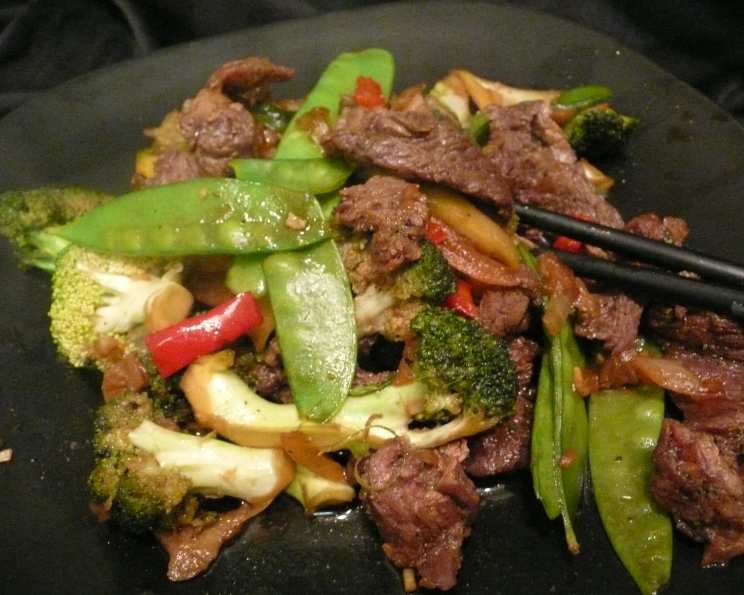
Bulgogi: Korean Barbecue Beef That Sizzles with Flavor
The first time I tasted Bulgogi, I was a wide-eyed culinary student working a summer internship at a Korean restaurant in Chicago. The scent of caramelized soy sauce, garlic, and sesame oil filled the air, drawing me in like a moth to a flame. I watched, mesmerized, as the chef expertly sliced ribbons of beef and massaged them with a marinade before they hit the sizzling grill. The sweet, savory, and slightly smoky flavors danced on my tongue, and I knew I had discovered a dish that would forever hold a special place in my heart. This recipe is a celebration of that initial experience, adapted to bring that authentic Korean BBQ experience into your own home.
Recipe Overview
- Prep Time: 30 minutes
- Cook Time: 15-20 minutes
- Total Time: 45-50 minutes
- Servings: 6-8
- Dietary Type: Adaptable (can be gluten-free with tamari)
Ingredients
- 2-3 lbs beef, thinly sliced (chuck roast or blade recommended)
- 1/2 cup low sodium soy sauce (or tamari for gluten-free)
- 1 garlic clove, minced
- 1 teaspoon black pepper
- 3 tablespoons sugar
- 3 tablespoons brown sugar
- 1 small onion, chopped
- Assorted fresh vegetables, such as carrots, green onions, mushrooms, snow peas, etc. (adjust quantities to your preference)
Equipment Needed
- Large bowl
- Cutting board
- Knife
- Stir-fry pan or large skillet
Instructions
- In a large bowl, combine the soy sauce, minced garlic, black pepper, sugar, and brown sugar. Whisk thoroughly until the sugars are dissolved. This forms the base of your flavorful marinade.
- Add the chopped onion to the marinade. The onion adds a subtle sweetness and depth of flavor to the dish.
- Add the thinly sliced beef to the bowl with the marinade. Ensure that the beef is fully submerged and coated in the sauce. This step is crucial for infusing the meat with the signature Bulgogi flavor.
- Gently massage the marinade into the beef, ensuring that every piece is well saturated. This helps the marinade penetrate the meat fibers, resulting in a more tender and flavorful final product.
- Slice the assorted fresh vegetables into small, bite-sized pieces. Prepare the carrots, green onions, and snow peas as desired. If using mushrooms, hold off on adding them until closer to cooking time to prevent them from becoming soggy.
- Mix the prepared vegetables (excluding the mushrooms, if using) with the marinated beef. This allows the vegetables to absorb some of the marinade as well, adding another layer of flavor.
- Let the beef and vegetable mixture marinate for at least 30 minutes. For a deeper flavor, you can marinate it for several hours or even overnight in the refrigerator. The longer the marinating time, the more flavorful and tender the beef will become.
- Heat a large stir-fry pan or skillet over medium-high heat. Add a small amount of oil if needed, but the marinade should provide enough moisture to prevent sticking.
- Add the marinated beef and vegetable mixture to the hot pan. If you’re using mushrooms, add them now. Be careful not to overcrowd the pan, as this will lower the temperature and steam the meat instead of searing it. Work in batches if necessary.
- Cook the beef as a stir-fry, stirring frequently, until it reaches your desired level of doneness. This typically takes 5-7 minutes per batch, depending on the thickness of the beef and the heat of your stove. The beef should be nicely browned and slightly caramelized.
- Serve immediately and enjoy!
Expert Tips & Tricks
- Achieve Paper-Thin Slices: For the most tender and authentic Bulgogi, thinly slice the beef. If you’re having trouble slicing it thinly, partially freeze the beef for about 30 minutes before slicing. This will firm it up and make it easier to cut.
- Marinating Magic: Don’t skimp on the marinating time! The longer the beef marinates, the more flavorful it will become. Overnight marinating is ideal.
- Prevent Overcrowding: Overcrowding the pan will lower the temperature and cause the beef to steam instead of sear. Work in batches to ensure proper browning and caramelization.
- Sweetness Adjustment: Adjust the amount of sugar to your preference. If you prefer a less sweet Bulgogi, reduce the amount of sugar slightly.
- Pear Power: For an even more tender beef, consider adding grated Asian pear to the marinade. Asian pear contains enzymes that help break down the meat fibers.
- Garlic is Key: Use fresh garlic if possible.
Serving & Storage Suggestions
Bulgogi is traditionally served with steamed rice and an array of Korean side dishes (banchan) like kimchi, pickled vegetables, and seasoned spinach. It’s also delicious wrapped in lettuce leaves with a dollop of ssamjang (Korean fermented soybean paste) for a refreshing and flavorful bite.
Leftover Bulgogi can be stored in an airtight container in the refrigerator for up to 3-4 days. To reheat, simply microwave it until heated through or stir-fry it in a pan over medium heat. You can also freeze Bulgogi for up to 2 months. Thaw it overnight in the refrigerator before reheating.
Nutritional Information
Estimated nutritional information per serving (based on 6 servings and using chuck roast):
| Nutrient | Amount per Serving | % Daily Value |
|---|---|---|
| Calories | 450 kcal | 23% |
| Total Fat | 25g | 38% |
| Saturated Fat | 10g | 50% |
| Cholesterol | 100mg | 33% |
| Sodium | 500mg | 21% |
| Total Carbohydrate | 20g | 7% |
| Dietary Fiber | 2g | 8% |
| Sugars | 15g | N/A |
| Protein | 30g | 60% |
Note: Nutritional information is an estimate and may vary depending on the specific ingredients and portion sizes used.
Variations & Substitutions
- Gluten-Free Bulgogi: Use tamari instead of soy sauce to make this recipe gluten-free.
- Spicy Bulgogi: Add a tablespoon of gochujang (Korean chili paste) to the marinade for a spicy kick.
- Chicken or Pork Bulgogi: Substitute the beef with thinly sliced chicken thighs or pork shoulder. Adjust cooking time accordingly.
- Vegetarian Bulgogi: Use sliced firm tofu or portobello mushrooms as a vegetarian alternative. Marinate as directed and cook until browned.
- Grilled Bulgogi: Instead of stir-frying, grill the marinated beef over medium-high heat until cooked through. This adds a smoky flavor to the dish.
FAQs (Frequently Asked Questions)
Q: Can I marinate the beef for longer than 30 minutes?
A: Absolutely! Marinating the beef for several hours or even overnight will result in a more flavorful and tender dish.
Q: What’s the best cut of beef to use for Bulgogi?
A: Chuck roast or blade steak are good choices because they have a good balance of flavor and tenderness. It’s important that the beef is thinly sliced regardless of the cut.
Q: Can I use a different type of sugar?
A: You can substitute the white sugar with honey or maple syrup, but it will slightly alter the flavor profile.
Q: How do I prevent the beef from sticking to the pan?
A: Make sure your pan is hot before adding the beef, and don’t overcrowd it. You can also add a small amount of oil to the pan if needed.
Q: What side dishes go well with Bulgogi?
A: Bulgogi is traditionally served with steamed rice and an array of Korean side dishes like kimchi, pickled vegetables, and seasoned spinach.
Final Thoughts
Bulgogi is more than just a recipe; it’s an experience. The fragrant marinade, the sizzling sound of the beef hitting the pan, and the explosion of flavors in your mouth all come together to create a truly unforgettable meal. So, gather your ingredients, channel your inner chef, and get ready to embark on a culinary adventure to Korea, right in your own kitchen. Don’t be afraid to experiment with different vegetables and seasonings to create your own unique Bulgogi masterpiece. And most importantly, share your creation with loved ones and enjoy the deliciousness together!