
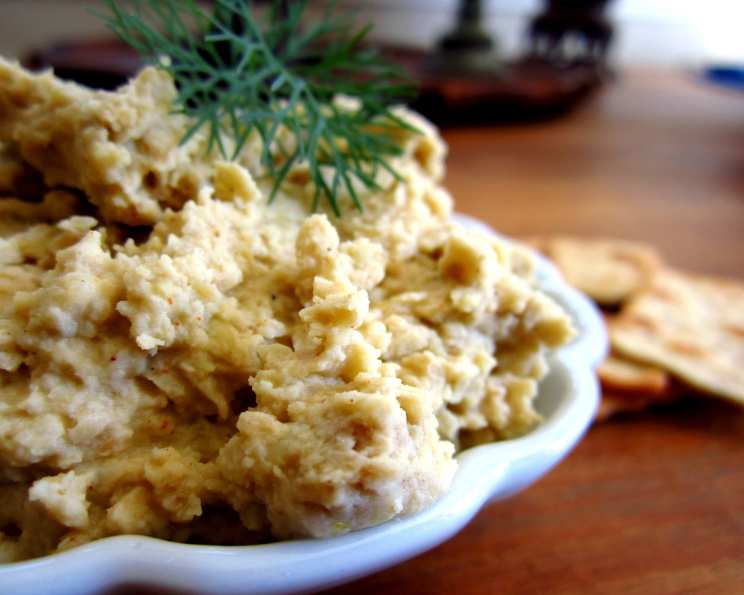
Butter Bean Hummus: A Creamy Twist on a Classic
I remember the first time I tasted hummus made with something other than chickpeas. It was at a tiny farmer’s market in the south of France, a revelation served with crusty bread and a knowing smile from the vendor. That unexpected creaminess, that slightly sweet flavor—it completely transformed my understanding of what hummus could be. This butter bean hummus captures that same magic, offering a delightful alternative to the traditional version.
Recipe Overview
- Prep Time: 2 hours 15 minutes (includes soaking time)
- Cook Time: 1 hour
- Total Time: 3 hours 15 minutes
- Yields: 3 cups
- Dietary Type: Vegan, Gluten-Free
Ingredients
- 1 lb dried butter beans (Lima beans)
- 4 garlic cloves
- 1/3 cup tahini
- 2 teaspoons kosher salt
- 1/2 teaspoon black pepper, freshly ground
- 1/2 teaspoon cayenne
- 1 cup olive oil
- 1/4 cup lemon juice, freshly squeezed
Equipment Needed
- Large bowl
- Large pot
- Food processor
Instructions
-
Soak the beans: Begin by placing the dried butter beans in a large bowl and cover them with plenty of water. Let them soak overnight (at least 8 hours). This crucial step helps to soften the beans for even cooking.
-
Drain and rinse: The next day, drain the soaked beans and discard the soaking water. Rinse the beans thoroughly under cold running water.
-
Cook the beans: Transfer the rinsed beans to a large pot. Cover the beans with cold fresh water – ensure the water level is well above the beans. Bring the water to a boil over high heat. Once boiling, reduce the heat to low and simmer, partially covered, until the beans are very tender but not mushy. This will typically take about 1 hour. Periodically check the water level and add more if needed to keep the beans submerged.
-
Drain, reserving liquid: Once the butter beans are cooked to a tender consistency, remove the pot from the heat and carefully drain the beans. Be sure to reserve the cooking liquid, as you will need it to achieve the perfect hummus consistency.
-
Combine ingredients in food processor: Place the cooked butter beans in a food processor fitted with a steel blade. Add the garlic cloves, tahini, kosher salt, black pepper, and cayenne.
-
Puree and emulsify: Begin to puree the mixture. With the motor running continuously, slowly pour in the olive oil and lemon juice. This slow addition is key to creating a smooth, emulsified hummus.
-
Adjust consistency: If the puree is too thick for your liking, gradually add a little of the reserved cooking liquid until the puree reaches a silky smooth consistency. I usually use about one cup of the reserved liquid, but this can vary depending on the beans.
-
Taste and season: Give the hummus a taste and adjust the seasoning as needed. Add more salt and cayenne if desired to enhance the flavor. Remember that the flavors will meld and deepen as the hummus sits.
Expert Tips & Tricks
- Perfect Bean Texture: The key to exceptional butter bean hummus is perfectly cooked beans. Avoid overcooking, which results in mushy hummus. The beans should be tender enough to mash easily but still retain some structure.
- High-Quality Tahini: The quality of your tahini will significantly impact the final flavor. Seek out tahini made from 100% sesame seeds, with a smooth, creamy texture and a subtly nutty flavor.
- Warm Beans for Creaminess: Pureeing the beans while they are still warm helps to create a smoother, creamier texture.
- Ice Cube Trick: For an extra-smooth hummus, try adding one or two ice cubes to the food processor while pureeing. The cold shock can help to break down the ingredients further.
- Infused Olive Oil: For a richer, more complex flavor, try using an infused olive oil. Garlic-infused or chili-infused olive oil works especially well with this recipe.
Serving & Storage Suggestions
This butter bean hummus is incredibly versatile. Serve it with warm pita bread, fresh vegetables (such as carrots, celery, and cucumbers), or tortilla chips for dipping. It also makes a delicious spread for sandwiches and wraps, or a flavorful topping for salads and grain bowls.
To store, transfer the hummus to an airtight container and refrigerate. It will keep well for up to 5 days. For longer storage, you can freeze the hummus for up to 2 months. Thaw it overnight in the refrigerator before serving. The texture may change slightly after freezing, so you may need to stir in a little olive oil or lemon juice to restore its creaminess.
Nutritional Information
| Nutrient | Amount per Serving | % Daily Value |
|---|---|---|
| Calories | 437 kcal | 22% |
| Total Fat | 35g | 54% |
| Saturated Fat | 5g | 25% |
| Cholesterol | 0mg | 0% |
| Sodium | 404mg | 17% |
| Total Carbohydrate | 24g | 8% |
| Dietary Fiber | 7g | 28% |
| Sugars | 3g | – |
| Protein | 8g | 16% |
Note: Nutritional information is an estimate and may vary based on specific ingredients and portion sizes.
Variations & Substitutions
- Spicy Hummus: Increase the amount of cayenne pepper for a spicier kick, or add a pinch of chili flakes.
- Roasted Garlic Hummus: Roast the garlic cloves before adding them to the food processor for a sweeter, more mellow flavor.
- Herbaceous Hummus: Add fresh herbs like parsley, cilantro, or dill to the food processor for a burst of freshness.
- Sun-Dried Tomato Hummus: Add a handful of oil-packed sun-dried tomatoes to the food processor for a tangy, savory twist.
- Different Beans: While this recipe calls for butter beans, you can experiment with other beans, such as cannellini beans or great northern beans, for a slightly different flavor profile.
FAQs (Frequently Asked Questions)
Q: Can I use canned butter beans instead of dried?
A: Yes, you can use canned butter beans. Drain and rinse them thoroughly before adding them to the food processor. You’ll need approximately 4 cups of canned beans to equal 1 pound of dried beans.
Q: Why do I need to soak the beans overnight?
A: Soaking the beans helps to soften them, which reduces the cooking time and makes them easier to digest.
Q: Can I make this hummus without tahini?
A: Tahini is a key ingredient that contributes to the creamy texture and nutty flavor of hummus. If you don’t have tahini, you can try substituting it with a small amount of sesame oil or sunflower seed butter, but the flavor will be different.
Q: How do I prevent my hummus from being too thick?
A: If your hummus is too thick, gradually add more of the reserved cooking liquid until it reaches the desired consistency. You can also add a little extra lemon juice or olive oil.
Q: Can I freeze butter bean hummus?
A: Yes, you can freeze butter bean hummus for up to 2 months. Thaw it overnight in the refrigerator before serving. The texture may change slightly after freezing, so you may need to stir in a little olive oil or lemon juice to restore its creaminess.
Final Thoughts
This butter bean hummus is a delightful twist on a classic, offering a creamy, flavorful, and satisfying alternative to traditional chickpea hummus. It’s incredibly easy to make and is sure to impress your friends and family. Don’t be afraid to experiment with different variations and flavor combinations to create your own signature hummus. Give it a try – I’m confident you’ll love it! Serve it with some warm pita bread and a glass of crisp white wine for a truly memorable appetizer.