
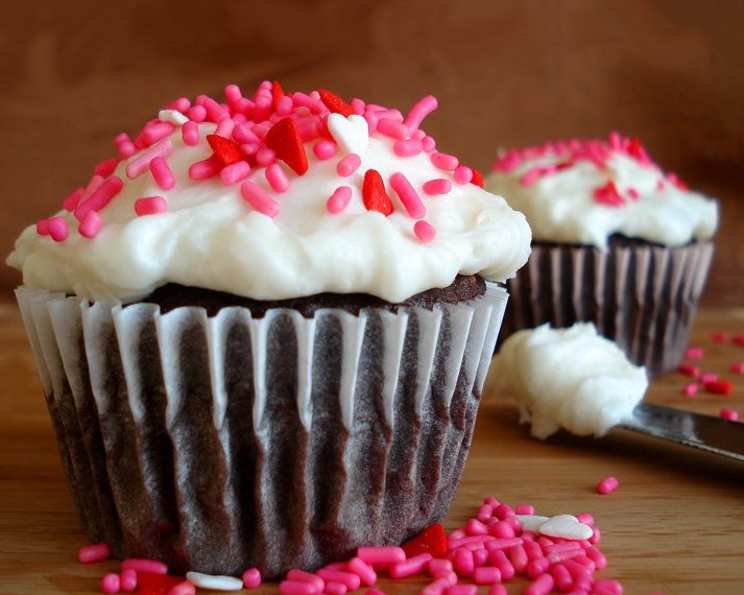
The Only Buttercream Frosting Recipe You’ll Ever Need
I can still picture my grandmother, apron dusted with powdered sugar, meticulously frosting a towering layer cake. The scent of butter and vanilla would fill her kitchen, a promise of sweetness and celebration. Her buttercream was legendary – light, fluffy, and perfectly balanced. It was the foundation of every birthday, anniversary, and holiday, a symbol of her love and dedication. This recipe is my attempt to capture that same magic, a buttercream that’s versatile, delicious, and sure to bring joy to any dessert.
Recipe Overview
- Prep Time: 5 minutes
- Cook Time: 0 minutes
- Total Time: 12 minutes
- Servings: Varies based on use
- Yield: 3 1/2 cups
- Dietary Type: Not specified
Ingredients
- 1 cup real butter, no substitute
- 1 1/2 teaspoons clear vanilla extract
- 1 pinch salt (optional)
- 5 cups confectioners’ sugar
- 2 -3 tablespoons milk
Equipment Needed
- Stand mixer or hand mixer
- Mixing bowl
- Measuring cups and spoons
- Rubber spatula
Instructions
-
Begin by creaming 1 cup of butter in a mixing bowl until it is light and fluffy. This is a crucial step; properly creamed butter will result in a smoother, less greasy frosting. Using a stand mixer with a paddle attachment makes this easier, but a hand mixer will also work just fine. Make sure the butter is at room temperature for best results – it should be soft enough that your finger leaves an indentation when pressed gently, but not so soft that it’s oily.
-
Add 1 1/2 teaspoons of clear vanilla extract and 1 pinch of salt (optional). The salt, even just a small amount, enhances the sweetness of the frosting and balances the flavors. I like to dissolve the salt in the vanilla extract before adding it to the butter – this helps to distribute it evenly and avoid any grainy texture. If you are using colored extracts, add them at this step.
-
Gradually add 5 cups of confectioners’ sugar, one cup at a time, beating on medium speed. Adding the sugar slowly prevents a cloud of powdered sugar from erupting from your bowl. It also allows the sugar to incorporate properly into the butter mixture, ensuring a smooth and consistent texture. Scrape down the sides of the bowl occasionally to make sure everything is evenly mixed.
-
Add 2-3 tablespoons of milk, one tablespoon at a time, and beat on high speed until completely blended and the frosting reaches your desired consistency. The amount of milk needed will vary depending on the humidity and the exact consistency of your butter and sugar. Start with two tablespoons and add the third only if the frosting is too stiff. Beat for at least 2-3 minutes at this stage, incorporating air into the mixture for a light and fluffy buttercream.
Expert Tips & Tricks
- Butter Temperature is Key: Make sure your butter is at room temperature before you begin. Cold butter will be difficult to cream, and melted butter will result in a greasy frosting.
- Sifting the Sugar: Sifting the confectioners’ sugar before adding it to the butter will remove any lumps and ensure a smoother frosting.
- Adjusting Consistency: If your frosting is too thick, add a little more milk, one teaspoon at a time. If it’s too thin, add a little more confectioners’ sugar, one tablespoon at a time.
- Flavor Variations: Don’t be afraid to experiment with different extracts and flavorings. Almond extract, lemon extract, and even a tablespoon of coffee liqueur can add a unique twist to your buttercream.
- Coloring: Use gel food coloring for the most vibrant and concentrated color. Liquid food coloring can thin out the frosting. Add color a drop at a time until you reach your desired shade.
- Preventing Air Bubbles: To minimize air bubbles, beat the buttercream on low speed for a few minutes after it reaches your desired consistency. This will help to release any trapped air.
Serving & Storage Suggestions
This buttercream frosting is incredibly versatile and can be used to decorate cakes, cupcakes, cookies, and brownies. It pairs well with a wide variety of flavors, from classic vanilla and chocolate to more adventurous combinations like lemon and raspberry.
For serving, pipe the frosting onto your desserts using a piping bag and various tips for decorative effects. You can also spread it on with a spatula for a more rustic look.
Leftover buttercream can be stored in an airtight container in the refrigerator for up to a week. Before using, let it come to room temperature and then re-whip it to restore its light and fluffy texture.
You can also freeze buttercream for up to three months. Thaw it in the refrigerator overnight and then re-whip it before using.
For a fun and easy snack, spread leftover buttercream between graham crackers – my kids love this!
Nutritional Information
| Nutrient | Amount per Serving | % Daily Value |
|---|---|---|
| Calories | 1142.6 kcal | N/A |
| Calories from Fat | 476 g | 42% |
| Total Fat | 52.9 g | 81% |
| Saturated Fat | 33.5 g | 167% |
| Cholesterol | 140.7 mg | 46% |
| Sodium | 470.9 mg | 19% |
| Total Carbohydrate | 171.7 g | 57% |
| Dietary Fiber | 0 g | 0% |
| Sugars | 167.9 g | 671% |
| Protein | 0.8 g | 1% |
Please note: Nutritional information is an estimate and may vary based on specific ingredients and serving sizes.
Variations & Substitutions
- Chocolate Buttercream: Add melted and cooled chocolate to the buttercream for a rich chocolate flavor.
- Peanut Butter Buttercream: Add peanut butter to the buttercream for a nutty and delicious frosting.
- Lemon Buttercream: Add lemon zest and lemon juice to the buttercream for a bright and citrusy flavor.
- Brown Sugar Buttercream: Use brown sugar instead of confectioners’ sugar for a caramel-like flavor.
- Vegan Buttercream: Use vegan butter and plant-based milk for a dairy-free version. You may need to adjust the amount of liquid to achieve the desired consistency.
FAQs (Frequently Asked Questions)
Q: Why is my buttercream grainy?
A: Grainy buttercream is often caused by undissolved sugar. Make sure to cream the butter thoroughly and add the sugar gradually, beating well after each addition. Sifting the sugar beforehand can also help.
Q: My buttercream is too sweet. How can I fix it?
A: A pinch of salt can help to balance the sweetness. You can also add a squeeze of lemon juice or a small amount of unsweetened cocoa powder.
Q: How do I get a perfectly smooth buttercream finish on my cake?
A: Use a warm spatula or bench scraper to smooth the frosting. You can also dip the spatula in hot water and wipe it dry before each pass.
Q: Can I use salted butter instead of unsalted butter?
A: Yes, but omit the optional pinch of salt in the recipe.
Q: My buttercream separated. What did I do wrong?
A: This can happen if the butter is too warm or cold. Make sure the butter is at room temperature before you start, and avoid over-beating the frosting. If it separates, try chilling the frosting for a few minutes and then re-whipping it.
Final Thoughts
I hope this buttercream frosting recipe becomes a staple in your kitchen, just as it has in mine. Don’t be afraid to experiment with flavors and colors to create your own signature buttercream. Whether you’re decorating a simple batch of cookies or a show-stopping layer cake, this frosting is sure to impress. Share your creations and tag me in your photos – I can’t wait to see what you come up with! This frosting is particularly delightful on classic chocolate cupcakes, offering a sweet and creamy contrast to the rich, dark cake. Now, go forth and frost!