
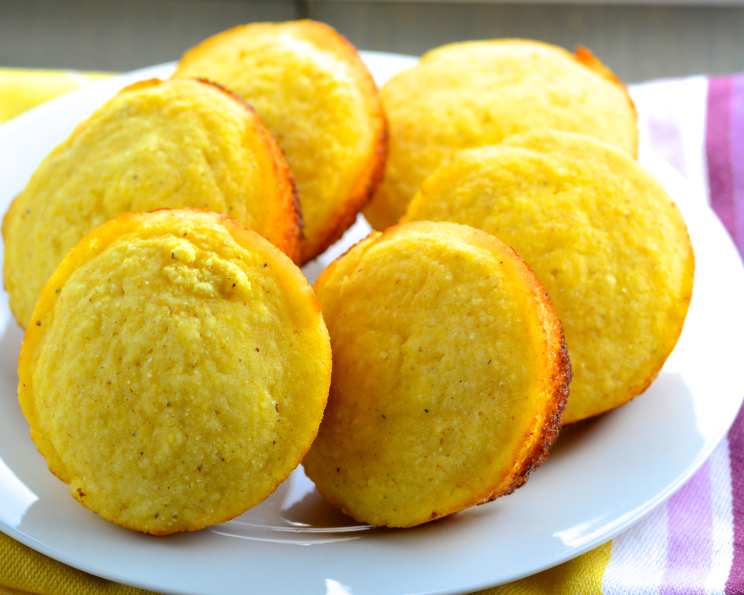
Southern Comfort: The Ultimate Buttermilk Cornbread Recipe
The aroma of cornbread baking always takes me back to my grandmother’s kitchen in rural Alabama. I can almost feel the warmth of the wood-burning stove, hear the gentle hum of conversation, and taste the slightly sweet, crumbly goodness that she’d slather with melted butter and a drizzle of honey. It wasn’t just food; it was love baked into every golden slice. Now, I share with you a recipe reminiscent of those cherished moments, a classic buttermilk cornbread guaranteed to bring a touch of Southern charm to your table.
Recipe Overview
- Prep Time: 10 minutes
- Cook Time: 20 minutes
- Total Time: 30 minutes
- Servings: 8
- Yield: 1 skillet of cornbread
- Dietary Type: Vegetarian
Ingredients
- 2 tablespoons vegetable oil
- 1 cup yellow cornmeal
- 1 tablespoon all-purpose flour
- 1 1/2 teaspoons baking powder
- 1/4 teaspoon baking soda
- 1/4 teaspoon salt
- 1 cup buttermilk
- 1 large egg
Equipment Needed
- 8-inch cast iron skillet or muffin pan
- Medium mixing bowl
- Whisk or fork
Instructions
-
Preheat your oven to 450°F (232°C). This high temperature is crucial for achieving that beautiful golden-brown crust.
-
Pour the vegetable oil into an 8-inch cast iron skillet. Place the skillet in the preheating oven for about 5 minutes. This step is essential! Heating the oil creates a wonderfully crispy bottom crust that’s characteristic of good Southern cornbread. Alternatively, you can use a muffin pan, distributing the oil evenly among the cups.
-
In a medium bowl, combine the yellow cornmeal, all-purpose flour, baking powder, baking soda, and salt. Whisk or stir well to ensure that the baking powder and baking soda are evenly distributed. This helps the cornbread rise properly and creates a light, airy texture. Make a well in the center of the dry mixture.
-
In a separate bowl or measuring cup, stir together the buttermilk and egg. Make sure the egg is fully incorporated into the buttermilk.
-
Pour the buttermilk and egg mixture into the well you created in the dry ingredients. Stir gently until just moistened. Be careful not to overmix the batter. Overmixing develops the gluten in the flour, which can result in a tough, dense cornbread. A few lumps are perfectly fine!
-
Carefully remove the hot skillet from the oven (use oven mitts!). Pour the cornbread batter into the hot skillet. The batter should sizzle slightly when it hits the hot oil.
-
Bake for 20 minutes, or until the cornbread is golden brown and a toothpick inserted into the center comes out clean. The baking time may vary slightly depending on your oven. Watch it carefully to prevent burning.
-
Let the cornbread cool slightly in the skillet before cutting into wedges and serving.
Expert Tips & Tricks
- For extra flavor, try using bacon grease instead of vegetable oil to grease the skillet. It adds a delicious smoky richness.
- If you don’t have buttermilk, you can make a quick substitute by adding 1 tablespoon of white vinegar or lemon juice to a liquid measuring cup, then filling the cup with milk to the 1-cup line. Let it sit for 5 minutes, and it will thicken slightly.
- To prevent a soggy bottom crust, ensure the skillet is thoroughly heated before pouring in the batter.
- If your oven tends to brown the top too quickly, tent the cornbread with foil during the last 5-10 minutes of baking.
- Want a sweeter cornbread? Add 1-2 tablespoons of sugar to the dry ingredients. But remember, true Southern cornbread is traditionally not very sweet!
- For a savory kick, consider adding some chopped jalapeños or shredded cheddar cheese to the batter.
- Make ahead: You can mix the dry ingredients ahead of time and store them in an airtight container. When ready to bake, simply add the wet ingredients and proceed with the recipe.
Serving & Storage Suggestions
Serve the cornbread warm, straight from the skillet. It’s delicious on its own, but even better with a pat of butter, a drizzle of honey, or a dollop of sour cream. Cornbread is a perfect accompaniment to chili, soups, stews, barbecue, or any Southern-style meal.
Leftover cornbread can be stored at room temperature in an airtight container for up to 2 days. For longer storage, keep it in the refrigerator for up to a week. You can also freeze it for up to 2 months; wrap it tightly in plastic wrap and then in foil.
To reheat, wrap the cornbread in foil and warm it in a 350°F (175°C) oven for about 10-15 minutes, or until heated through. You can also microwave individual slices for about 30 seconds.
Nutritional Information
| Nutrient | Amount per Serving | % Daily Value |
|---|---|---|
| Calories | 110.3 kcal | N/A |
| Calories from Fat | 43 kcal | 39% |
| Total Fat | 4.8 g | 7% |
| Saturated Fat | 0.9 g | 4% |
| Cholesterol | 24.5 mg | 8% |
| Sodium | 226.5 mg | 9% |
| Total Carbohydrate | 14.2 g | 4% |
| Dietary Fiber | 1.1 g | 4% |
| Sugars | 1.6 g | 6% |
| Protein | 3.1 g | 6% |
Note: Nutritional information is an estimate and may vary based on specific ingredients and portion sizes.
Variations & Substitutions
- Dairy-Free Cornbread: Substitute the buttermilk with a plant-based alternative, such as almond milk or soy milk. Add 1 tablespoon of lemon juice or apple cider vinegar to the plant-based milk to create a similar tang.
- Gluten-Free Cornbread: Use a gluten-free all-purpose flour blend instead of regular all-purpose flour. Make sure the blend contains a binder like xanthan gum to help with the texture.
- Spicy Cornbread: Add 1-2 finely chopped jalapeños to the batter. You can also add a pinch of cayenne pepper for extra heat.
- Herbed Cornbread: Stir in 1-2 tablespoons of fresh herbs, such as rosemary, thyme, or chives, to the batter.
- Cheesy Cornbread: Add 1/2 cup of shredded cheddar, Monterey Jack, or pepper jack cheese to the batter.
FAQs (Frequently Asked Questions)
Q: Why is it important to heat the skillet before pouring in the batter?
A: Heating the skillet with oil creates a crispy bottom crust, which is a signature characteristic of good cornbread. It also prevents the cornbread from sticking to the skillet.
Q: Can I use a different type of cornmeal?
A: Yes, you can use white cornmeal instead of yellow cornmeal, but it will affect the color and slightly alter the flavor. Stone-ground cornmeal will add a coarser texture.
Q: How do I prevent my cornbread from being dry?
A: Avoid overbaking the cornbread. Also, make sure you are not overmixing the batter, as this can develop the gluten and result in a tougher texture.
Q: Can I make this recipe in a regular baking pan instead of a cast iron skillet?
A: Yes, you can bake it in an 8-inch square baking pan. Grease the pan well and bake for the same amount of time. The crust won’t be as crispy, but it will still be delicious.
Q: Is it necessary to use buttermilk?
A: Buttermilk adds a tangy flavor and helps to tenderize the cornbread. If you don’t have buttermilk, you can use the milk and vinegar or lemon juice substitution.
Final Thoughts
I hope this recipe brings as much joy to your kitchen as it has to mine over the years. Feel free to experiment with variations to make it your own. Don’t be afraid to share it with family and friends and create your own cornbread memories. Whether you’re pairing it with a hearty bowl of chili or enjoying it simply with butter and honey, this buttermilk cornbread is a taste of Southern comfort that’s sure to warm your soul. Please, leave a comment and let me know how it turns out or what pairings you tried!