
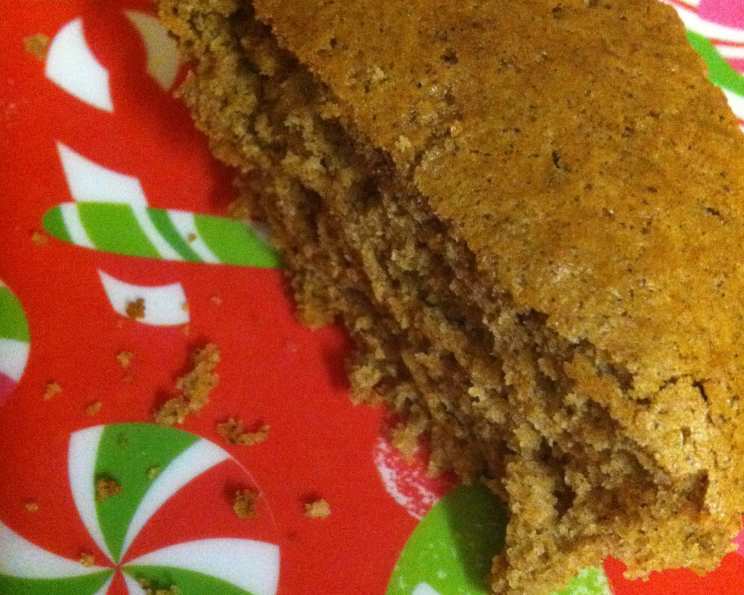
Buttermilk Gingerbread: A Taste of Cozy Memories
Gingerbread. The very word conjures up visions of crackling fireplaces, twinkling lights, and the comforting aroma that only comes from a warm, spiced bake. For me, it always takes me back to my grandmother’s kitchen. Every December, her little house would be filled with gingerbread men, gingerbread houses, and, most importantly, this unbelievably moist and flavorful buttermilk gingerbread. I can still picture her, flour dusting her apron, as she carefully poured the molasses into the batter, a sweet, dark river that promised pure holiday magic. This isn’t just a recipe; it’s a hug from the past.
Recipe Overview
- Prep Time: 20 minutes
- Cook Time: 25 minutes
- Total Time: 45 minutes
- Servings: 12
- Yield: 1 loaf
- Dietary Type: Not specified
Ingredients
- 1 1/2 cups all-purpose flour
- 2 teaspoons cinnamon
- 1 teaspoon ginger
- 1/2 teaspoon clove
- 1 1/2 teaspoons baking soda
- 1/4 cup butter, softened
- 1/2 cup sugar
- 1 egg
- 1/3 cup molasses
- 1/2 cup buttermilk
Equipment Needed
- Mixing bowls
- Electric mixer or whisk
- 8×8 inch baking pan
- Measuring cups and spoons
- Rubber spatula
- Toothpick or cake tester
Instructions
-
Preheat your oven to 325°F (160°C). Grease an 8×8 inch baking pan thoroughly. A little flour dusting after greasing never hurts to prevent sticking!
-
In a medium-sized bowl, combine the dry ingredients: all-purpose flour, cinnamon, ginger, clove, and baking soda. Whisk them together to ensure the spices are evenly distributed. This step is crucial for a uniform flavor profile.
-
In a separate, larger bowl, cream together the softened butter and sugar using an electric mixer or a sturdy whisk. Continue creaming until the mixture is light and fluffy. This step incorporates air, which contributes to the bread’s tender crumb.
-
Stir in the egg into the creamed butter and sugar mixture. Beat well until fully incorporated.
-
Add the molasses and buttermilk to the wet ingredients. Mix until everything is well combined, creating a smooth and even batter. The molasses adds a deep, rich sweetness and characteristic gingerbread flavor, while the buttermilk contributes to the bread’s moistness and subtle tang.
-
Gradually add the dry ingredients to the molasses mixture. Stir until just smooth. Be careful not to overmix, as this can develop the gluten in the flour, resulting in a tough bread. A few streaks of flour are okay at this stage.
-
Pour the batter into the prepared 8×8 inch baking pan, spreading it evenly with a rubber spatula.
-
Bake in the preheated oven for 25 minutes. The bread is done when a toothpick or cake tester inserted into the center comes out clean or with just a little bit of moist crumb clinging to it. Keep a close eye on it; ovens can vary.
-
Remove the gingerbread from the oven and let it cool in the pan for at least 10 minutes before cutting and serving. Cooling slightly allows it to firm up, making it easier to slice.
Expert Tips & Tricks
- Room Temperature Ingredients: Ensure your butter, egg, and buttermilk are at room temperature for optimal emulsification and a smoother batter. This helps create a more evenly textured gingerbread.
- Don’t Overbake: Overbaking gingerbread results in a dry and crumbly texture. Start checking for doneness around the 23-minute mark.
- Substitute for Buttermilk: If you don’t have buttermilk, you can make a quick substitute by adding 1 1/2 teaspoons of lemon juice or white vinegar to 1/2 cup of regular milk. Let it sit for 5 minutes to curdle slightly before using. Alternatively, you can use plain yogurt thinned with a little milk.
- Spice it Up: Feel free to adjust the spices to your liking. A pinch of nutmeg or allspice can add a lovely depth of flavor.
- Make Ahead: The batter can be made a day ahead and stored in the refrigerator. Let it come to room temperature before baking.
Serving & Storage Suggestions
Buttermilk gingerbread is delicious served warm with a dollop of whipped cream, a scoop of vanilla ice cream, or a drizzle of warm caramel sauce. It’s also wonderful on its own with a cup of coffee or tea.
- Room Temperature: Store leftover gingerbread in an airtight container at room temperature for up to 2 days.
- Refrigerator: For longer storage, keep it in the refrigerator for up to 5 days.
- Freezer: To freeze, wrap the gingerbread tightly in plastic wrap and then in aluminum foil. It can be stored in the freezer for up to 2 months. Thaw completely at room temperature before serving.
- Reheating: To reheat, wrap a slice of gingerbread in a damp paper towel and microwave for 15-20 seconds, or until warmed through. You can also reheat it in a low oven (300°F/150°C) for 5-10 minutes.
Nutritional Information
Note: Nutritional information is an estimate and may vary based on specific ingredients used.
| Nutrient | Amount per Serving | % Daily Value |
|---|---|---|
| Calories | 162 kcal | N/A |
| Fat | 4.5g | 6% |
| Saturated Fat | 2.6g | 13% |
| Cholesterol | 28mg | 9% |
| Sodium | 205mg | 8% |
| Carbohydrates | 28g | 9% |
| Fiber | 0.7g | 2% |
| Sugars | 14g | N/A |
| Protein | 2.5g | 5% |
Variations & Substitutions
- Water Substitution: If you don’t have buttermilk, you can substitute water. In this case, reduce the baking soda to 1 teaspoon instead of 1 1/2 teaspoons.
- Sour Cream: For a richer bread, use sour cream instead of buttermilk. The tangy flavor will add a delightful complexity.
- Gluten-Free: To make this gingerbread gluten-free, use a gluten-free all-purpose flour blend. Be sure to add a binding agent like xanthan gum (about 1 teaspoon per cup of flour) to help with the texture.
- Vegan: To make it vegan, substitute the butter with a vegan butter alternative, the egg with a flax egg (1 tablespoon of ground flaxseed mixed with 3 tablespoons of water, let sit for 5 minutes), and the buttermilk with a plant-based buttermilk alternative (plant-based milk mixed with lemon juice or vinegar).
- Spiced Glaze: For extra sweetness, top the cooled gingerbread with a simple glaze made from powdered sugar, milk, and a dash of cinnamon.
FAQs (Frequently Asked Questions)
Q: My gingerbread top gets dark quickly. What can I do?
A: That’s the molasses caramelizing! If it gets too dark, tent the pan with aluminum foil during the last 10 minutes of baking to prevent burning.
Q: Can I use a different type of molasses?
A: Yes, you can use light, dark, or blackstrap molasses. Light molasses will result in a milder flavor, while blackstrap molasses will give a very strong, robust taste. Adjust according to your preference.
Q: Is it important to use softened butter?
A: Yes, softened butter is crucial for creaming properly with the sugar. If the butter is too cold, it won’t incorporate air, resulting in a denser bread.
Q: Can I add chopped nuts or dried fruit to the batter?
A: Absolutely! Adding chopped walnuts, pecans, or dried cranberries or raisins can add extra texture and flavor. Fold them in gently at the end.
Q: What’s the best way to measure flour for this recipe?
A: The best way to measure flour accurately is to use a kitchen scale. If you don’t have one, spoon the flour into the measuring cup and level it off with a straight edge. Avoid scooping directly from the bag, as this can pack the flour and result in a dry bread.
Final Thoughts
I truly hope this Buttermilk Gingerbread recipe brings as much joy to your kitchen as it has to mine over the years. It’s a simple yet incredibly satisfying bake, perfect for sharing with loved ones or enjoying as a cozy treat on a chilly day. Don’t be afraid to experiment with the spices and add your own personal touch. And please, let me know how it turns out! I’d love to hear your feedback and see your creations. Pair it with a steaming mug of chai tea for the ultimate comfort experience. Happy baking!