
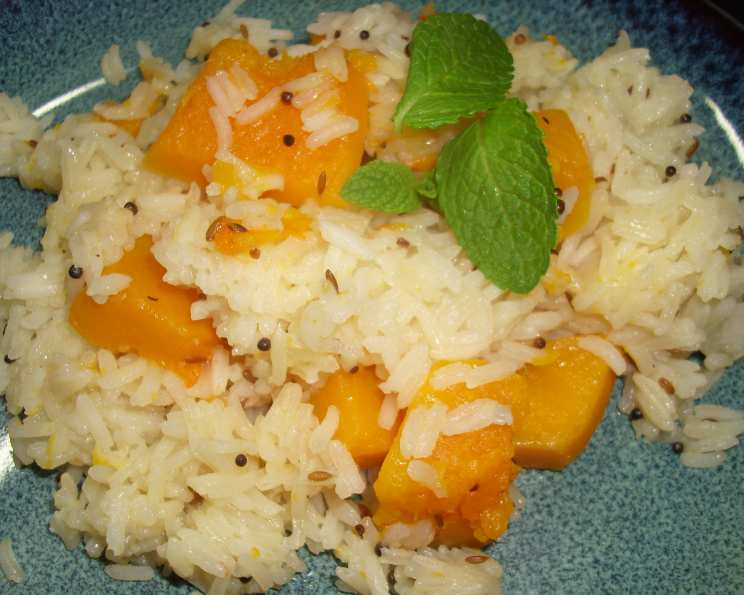
Butternut Squash Basmati Rice: A Symphony of Autumn Flavors
I still remember the scent of roasting butternut squash filling my grandmother’s kitchen every autumn. It wasn’t just about pumpkin pies and holiday feasts; sometimes, she’d experiment, adding that sweet, earthy squash to unexpected dishes. One year, she surprised us all with a vibrant rice dish, flecked with golden cubes of squash and aromatic spices. It was a revelation – a simple, comforting side that elevated any meal with its unique warmth and flavor. This recipe reminds me of those cherished moments, a humble yet heartwarming tribute to her culinary creativity.
Recipe Overview
- Prep Time: 10 minutes
- Cook Time: 20 minutes
- Total Time: 30 minutes
- Servings: 4
- Yield: 4 cups
- Dietary Type: Vegetarian, Gluten-Free
Ingredients
- 1 tablespoon unsalted butter
- 1 teaspoon whole cumin seeds
- 1 teaspoon mustard seeds
- 1 cup basmati rice
- ¾ lb butternut squash, peeled, deseeded, and cut in 1-inch cubes (about 2 cups)
- 2 cups water
- 2 teaspoons kosher salt
Equipment Needed
- Medium saucepan with lid
Instructions
-
In a medium saucepan, melt the butter over medium heat.
-
Add the cumin seeds and mustard seeds. Cook over high heat until the mustard seeds begin to pop, about 1-2 minutes. Be careful not to burn the spices; reduce the heat slightly if they start to smoke. This toasting process releases their essential oils, creating a more intense flavor.
-
Add the basmati rice and butternut squash to the saucepan. Toss with the spices to mix thoroughly, ensuring the rice and squash are coated in the flavorful butter and spices.
-
Pour in the water and add the kosher salt. Bring the mixture to a boil over high heat.
-
Once boiling, reduce the heat to low, cover the saucepan tightly with a lid, and simmer until the butternut squash is tender and the water is completely absorbed, about 15 minutes. It’s crucial to keep the lid on during simmering to trap the steam and cook the rice evenly.
-
Remove the saucepan from the heat and let it stand, covered, for 5 minutes. This allows the rice to finish steaming and ensures a fluffy texture.
-
Fluff the rice with a fork before serving. This separates the grains and prevents them from clumping together.
Expert Tips & Tricks
-
Toast the Spices Carefully: Pay close attention while toasting the cumin and mustard seeds. Burnt spices can ruin the entire dish, imparting a bitter flavor. If necessary, reduce the heat to medium-low to prevent burning.
-
Rinse the Rice: Rinsing the basmati rice before cooking removes excess starch, resulting in a fluffier, less sticky final product. Place the rice in a fine-mesh sieve and rinse under cold water until the water runs clear.
-
Control the Simmer: Maintaining a gentle simmer is key to perfectly cooked rice. If the heat is too high, the water will evaporate too quickly, leaving the rice undercooked. If the heat is too low, the rice may become mushy.
-
Check for Doneness: To check if the rice is done, gently tilt the saucepan. If there is still water at the bottom, continue simmering for a few more minutes. The rice should be tender, and the squash should be easily pierced with a fork.
-
Add a Touch of Sweetness: If you prefer a slightly sweeter dish, consider adding a drizzle of maple syrup or honey after cooking.
-
Enhance the Flavor: For a richer flavor, use vegetable broth instead of water. You can also add a bay leaf or a sprig of thyme to the saucepan while simmering for extra aroma. Remember to remove them before serving.
Serving & Storage Suggestions
This Butternut Squash Basmati Rice makes a wonderful side dish for roasted chicken, grilled fish, or vegetarian entrees like lentil loaf or tofu skewers. Garnish with a sprinkle of toasted pumpkin seeds or chopped fresh parsley for added visual appeal.
Leftovers can be stored in an airtight container in the refrigerator for up to 3 days. To reheat, microwave on medium power until heated through, or gently warm in a saucepan with a splash of water or broth to prevent drying out. Freezing is not recommended as it may affect the texture of the rice and squash.
Nutritional Information
| Nutrient | Amount per Serving | % Daily Value |
|---|---|---|
| Calories | 250 kcal | 13% |
| Total Fat | 5g | 8% |
| Saturated Fat | 3g | 15% |
| Cholesterol | 10mg | 3% |
| Sodium | 500mg | 21% |
| Total Carbohydrate | 45g | 15% |
| Dietary Fiber | 3g | 12% |
| Sugars | 2g | N/A |
| Protein | 5g | 10% |
Note: Nutritional information is an estimate and may vary based on specific ingredients and portion sizes.
Variations & Substitutions
-
Spice it Up: Add a pinch of red pepper flakes or a dash of cayenne pepper for a subtle kick.
-
Use Different Squash: Acorn squash, kabocha squash, or even pumpkin can be substituted for butternut squash. Adjust cooking time as needed depending on the density of the squash.
-
Add Vegetables: Incorporate other vegetables like chopped bell peppers, onions, or spinach for added nutrients and flavor. Add them along with the butternut squash.
-
Make it Vegan: Ensure you’re using a plant-based butter substitute. Olive oil or coconut oil work well too.
-
Incorporate Nuts: Stir in toasted slivered almonds, chopped walnuts, or pecans after cooking for added crunch and nutty flavor.
-
Herbaceous Twist: Fresh herbs such as sage, rosemary, or thyme can be added to the rice while simmering.
FAQs (Frequently Asked Questions)
Q: Can I use brown rice instead of basmati rice?
A: Yes, you can substitute brown rice, but you will need to adjust the cooking time and water amount. Brown rice typically requires more water and a longer cooking time (around 45-50 minutes).
Q: How do I prevent the rice from sticking to the bottom of the saucepan?
A: Ensure you use a heavy-bottomed saucepan and maintain a low simmer. Avoid lifting the lid during cooking, as this releases steam and can cause the rice to stick.
Q: Can I make this dish ahead of time?
A: Yes, you can prepare the Butternut Squash Basmati Rice up to a day in advance. Store it in the refrigerator and reheat gently before serving.
Q: What if my squash is not tender after 15 minutes of simmering?
A: Continue simmering for a few more minutes until the squash is easily pierced with a fork. Add a tablespoon or two of water if the saucepan seems dry.
Q: Can I use pre-cut butternut squash?
A: Yes, using pre-cut butternut squash can save time on preparation. Just be sure the cubes are roughly the same size for even cooking.
Final Thoughts
I hope this Butternut Squash Basmati Rice recipe brings as much joy to your kitchen as it has to mine. It’s a versatile dish that’s perfect for both everyday meals and special occasions. Don’t hesitate to experiment with different spices, herbs, and vegetables to create your own unique variation. And if you give it a try, I’d love to hear about your experience and any creative twists you’ve added! Perhaps pair it with a crisp white wine like a Pinot Grigio, or a warm cider on a cool autumn evening. Bon appétit!