
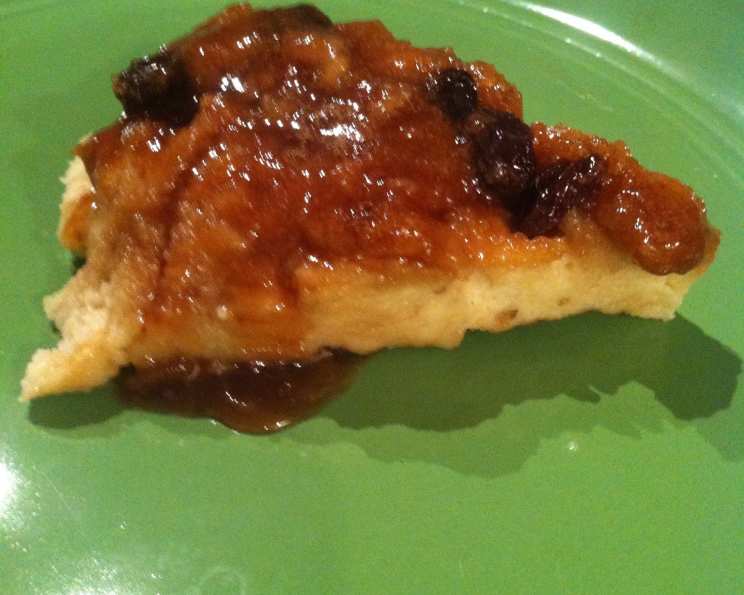
Butterscotch Bread Pudding in a Double Boiler: A Sweet Nostalgia
The aroma of butterscotch always takes me back to my grandmother’s kitchen. She wasn’t much for fancy pastries, but her butterscotch candies were legendary. This bread pudding, gently steamed to perfection, evokes that same comforting feeling – a simple pleasure, richly flavored and deeply satisfying. It’s a dish that speaks of patience and love, perfect for a cozy evening.
Recipe Overview
- Prep Time: 15 minutes
- Cook Time: 1 hour
- Total Time: 1 hour 15 minutes
- Servings: 4-6
- Dietary Type: Vegetarian
Ingredients
- 3 slices raisin bread
- 2 teaspoons softened butter
- 1 cup firmly packed light brown sugar
- 3 eggs
- 1 cup evaporated milk
- 1 pinch salt
- ½ teaspoon vanilla
Equipment Needed
- 1-quart double boiler
- Medium-sized bowl
- Rotary beater (or whisk)
- Sliver knife or toothpick
Instructions
-
Begin by preparing the raisin bread. Trim the crusts from the bread slices. This will create a smoother final texture in the pudding.
-
Spread each slice of bread with the softened butter. Ensure an even coating to infuse the bread with richness.
-
Cut the buttered bread into ½ inch pieces. Smaller pieces will absorb the custard mixture more evenly.
-
Butter the upper part of a 1-quart double boiler. This will prevent the pudding from sticking.
-
Spread the light brown sugar into the buttered upper portion of the double boiler, creating a butterscotch base.
-
Place the buttered bread cubes on top of the brown sugar. Distribute them evenly.
-
In a medium-sized bowl, beat together the eggs, evaporated milk, salt, and vanilla with a rotary beater (or whisk). Whisk until the mixture is well combined and slightly frothy.
-
Pour the egg mixture over the bread cubes in the double boiler. Important: DO NOT STIR. This allows the butterscotch layer to remain distinct at the bottom.
-
Place the upper portion of the double boiler over boiling water in the bottom portion. The water should not touch the bottom of the upper pot.
-
Cook, covered, for 1 hour or until a sliver knife (or toothpick) inserted into the center comes out clean. This indicates that the pudding is cooked through.
-
Check the water level in the bottom of the double boiler periodically. If necessary, add additional hot water to maintain the steam.
-
As the pudding cooks, it will naturally separate into a custard portion on top and a butterscotch sauce on the bottom. This is exactly what you want!
-
To serve, spoon some of the butterscotch sauce over the pudding. This adds a delightful burst of flavor to each bite.
Expert Tips & Tricks
- Bread Selection: While raisin bread is classic, you can experiment with other types of bread like challah or brioche. Just ensure it’s slightly stale for better absorption.
- Butterscotch Boost: For an even richer butterscotch flavor, try adding a tablespoon of butterscotch liqueur to the egg mixture.
- Double Boiler Alternative: If you don’t have a double boiler, you can create one by placing a heatproof bowl over a simmering pot of water. Just make sure the bowl doesn’t touch the water.
- Checking for Doneness: The pudding should be set but still slightly jiggly in the center. It will continue to firm up as it cools.
- Preventing Overcooking: Keep a close eye on the water level in the double boiler to prevent the pudding from drying out. Adding hot water gradually helps maintain consistent steam.
Serving & Storage Suggestions
Serve the Butterscotch Bread Pudding warm, with a generous spoonful of the butterscotch sauce from the bottom. A dollop of whipped cream or a scoop of vanilla ice cream would be a lovely addition.
Leftover bread pudding can be stored in an airtight container in the refrigerator for up to 3 days. To reheat, gently warm in a microwave or in a preheated oven at 300°F (150°C) until heated through. It’s best to reheat individual portions to maintain the texture. Freezing is not recommended as it can alter the texture of the custard.
Nutritional Information
| Nutrient | Amount per Serving | % Daily Value |
|---|---|---|
| Calories | 418.8 kcal | N/A |
| Calories from Fat | 99 g | 24% |
| Total Fat | 11.1 g | 17% |
| Saturated Fat | 5.5 g | 27% |
| Cholesterol | 162.8 mg | 54% |
| Sodium | 252 mg | 10% |
| Total Carbohydrate | 70.8 g | 23% |
| Dietary Fiber | 0.8 g | 3% |
| Sugars | 54.7 g | 218% |
| Protein | 10.6 g | 21% |
Note: Nutritional information is an estimate and may vary based on specific ingredients and portion sizes.
Variations & Substitutions
- Spice It Up: Add a pinch of cinnamon, nutmeg, or cardamom to the egg mixture for a warm, aromatic twist.
- Fruit Fusion: Incorporate dried cranberries, chopped apples, or blueberries into the bread mixture for added texture and flavor.
- Nutty Delight: Sprinkle toasted pecans or walnuts over the bread cubes before pouring in the egg mixture.
- Dairy-Free Option: Substitute the evaporated milk with full-fat coconut milk or another non-dairy alternative. Keep in mind this will change the flavor slightly.
- Bread Swap: Use croissants or panettone for an extra decadent version.
- Add a shot of bourbon: Mix a tablespoon of bourbon into the egg mixture for a sophisticated, boozy flavor.
FAQs (Frequently Asked Questions)
Q: Why use a double boiler for bread pudding?
A: Cooking in a double boiler provides gentle, even heat, preventing the custard from curdling or scorching. This results in a smoother, more tender pudding.
Q: Can I use regular milk instead of evaporated milk?
A: While you can, evaporated milk provides a richer, creamier texture due to its concentrated nature. If using regular milk, consider adding a tablespoon of heavy cream for added richness.
Q: How do I know when the bread pudding is done?
A: Insert a sliver knife or toothpick into the center of the pudding. If it comes out clean, the pudding is done. It should be set but still slightly jiggly.
Q: Can I make this bread pudding ahead of time?
A: Yes, you can prepare the bread pudding up to a day in advance. Store it, covered, in the refrigerator and then cook as directed when ready to serve. You might need to add a few minutes to the cooking time.
Q: The butterscotch sauce is too thick. What can I do?
A: If the sauce is too thick, add a tablespoon or two of hot water to the bottom of the double boiler and stir gently. The steam will help thin it out.
Final Thoughts
This Butterscotch Bread Pudding is more than just a dessert; it’s a comforting hug in a bowl. The gentle steam of the double boiler transforms simple ingredients into a luscious, flavorful creation. I encourage you to try this recipe and experience the simple joy of a homemade dessert. Don’t hesitate to share your feedback or any variations you try – happy baking!